2026 Top Check Valve Types for Global Buyers Guide
In the ever-evolving landscape of industrial applications, understanding various types of Check Valves is essential. Check valves play a crucial role in controlling fluid flow. They prevent backflow, ensuring operational efficiency in pipelines and systems. As global demand increases, so does the need for optimized valve solutions.
This guide delves into the top check valve types available in 2026. It's aimed at buyers seeking reliable and efficient options. By examining the latest innovations, features, and applications, we provide insights into making informed purchasing decisions. Each check valve type holds unique advantages tailored to specific industry needs.
Navigating the complexities of check valves can be daunting. With numerous choices, buyers often feel overwhelmed. It’s important to reflect on specific requirements, such as fluid type and pressure conditions. This guide offers clarity, facilitating better choices for both seasoned buyers and newcomers in the field.
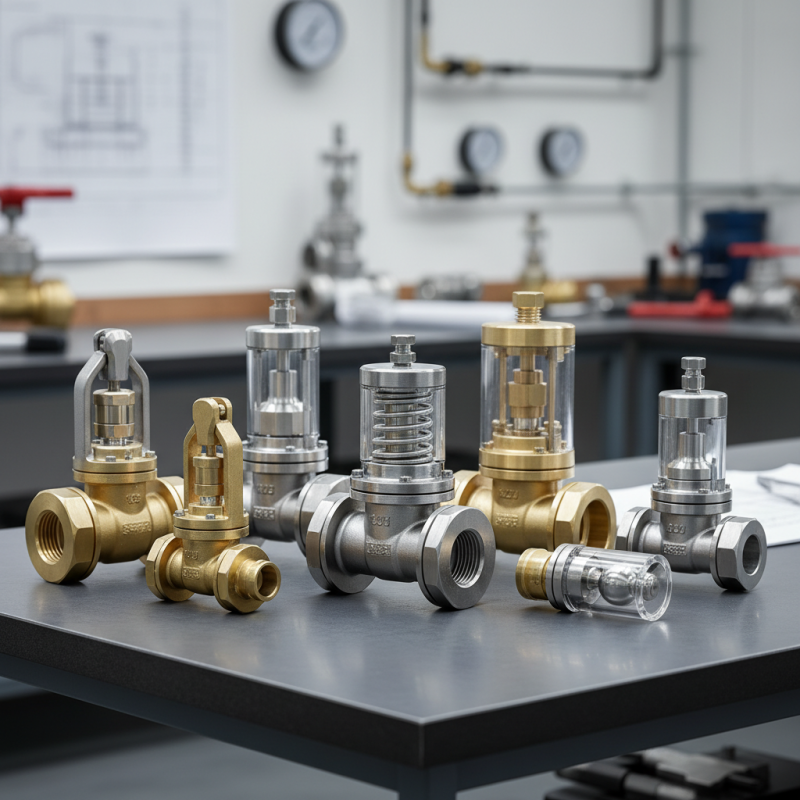
Overview of Check Valves and Their Importance in Fluid Systems
Check valves are crucial components in fluid systems. They permit fluid flow in one direction only, preventing backflow. This ensures system efficiency and safety. Without them, backflow can cause pressure drops and system failures. Understanding check valve types is essential for effective fluid management.
Selecting the right check valve type depends on your application. Consider factors like pressure, temperature, and fluid characteristics. Spring-loaded check valves are common due to their reliability. However, they may not suit every scenario. Evaluate your specific requirements carefully.
Tips: Regular maintenance is vital. Inspect check valves for wear and tear. A faulty valve can lead to costly repairs. Additionally, ensure proper installation. Incorrect alignment can affect performance. Always consult with a fluid systems expert when in doubt. Understanding your system's needs leads to better decision-making.
2026 Top Check Valve Types
This chart illustrates the popularity of different types of check valves among global buyers in 2026, highlighting the most preferred varieties in fluid systems.
Common Types of Check Valves and Their Applications in Various Industries
Check valves play a vital role in many industries. They prevent backflow, ensuring the smooth operation of systems. Different types of check valves suit different applications, making it essential to understand their specific uses.
In water treatment, for instance, swing check valves are commonly used. They are effective in larger pipelines. Their design allows fluid to flow in one direction while preventing reverse flow. In oil and gas, lift check valves are preferred due to their compact nature. They handle high pressures well and are suitable for tight spaces. Other industries use diaphragm check valves for their ability to manage corrosive fluids safely.
Yet, choosing the right check valve can be challenging. Buyers must consider factors like pressure, temperature, and fluid type. It can be overwhelming. Product specifications and performance data might confuse decision-makers. Therefore, it's crucial to seek expert advice before making a purchase. Understanding each valve type's capabilities enhances efficiency and longevity in operations.
Factors to Consider When Selecting Check Valves for Specific Uses
When selecting check valves, various factors are crucial for optimal performance. Consider the fluid type and temperature. These elements impact the valve's material and design. For example, corrosive fluids require robust materials such as stainless steel or specialized alloys. In contrast, non-corrosive fluids may allow for more economical materials like PVC or brass. Operating pressure also plays a vital role in this decision-making.
Another significant aspect is the flow direction and system design. Different applications might require specific configurations. Swing check valves are ideal for high flow rates, while ball check valves provide tight seals in low-pressure systems. It's not always straightforward. Some users find they're not suitable for every installation. Understanding the unique requirements of your system is essential.
Lastly, maintenance needs will also influence your choice. Some check valves require less upkeep than others. Assessing the long-term costs versus initial investment can lead to better decision-making. There's no one-size-fits-all answer in the world of check valves. Careful analysis, combined with practical experience, is necessary to ensure the right selection.
2026 Top Check Valve Types for Global Buyers Guide
| Check Valve Type | Material | Pressure Rating (psi) | Temperature Range (°F) | Common Applications |
| Swing Check Valve | Cast Iron | 150 - 300 | -20 to 150 | Water, Wastewater |
| Lift Check Valve | Stainless Steel | 150 - 600 | -50 to 350 | Oil, Gas, Chemicals |
| Ball Check Valve | PVC | 25 - 150 | 32 to 140 | Water, Acids, Solvents |
| Duckbill Check Valve | Rubber | 10 - 50 | 0 to 180 | Wastewater, Drainage |
| Spring Check Valve | Aluminum | 100 - 400 | -20 to 200 | Hydraulic Systems, Cooling |
Global Market Trends and Future Projections for Check Valve Demand
The global market for check valves is evolving rapidly. By 2026, the demand for check valves is projected to grow at a CAGR of 5.8%. This growth is driven by increased investments in infrastructure. Industries such as oil and gas, water treatment, and power generation are significant contributors. Emerging markets in Asia-Pacific show promising growth. China and India lead the way due to their industrial expansion.
Recent industry reports indicate a shift towards automated and smart check valves. These innovations enhance efficiency and reliability. Smart valves provide real-time data monitoring. This trend reflects a larger movement towards digitization in industrial operations. Despite this progress, challenges remain. Many manufacturers still grapple with integrating advanced technology into existing systems.
There is a notable increase in sustainability concerns. Eco-friendly materials are gaining traction in check valve production. However, balancing cost and sustainability poses a challenge. Companies must innovate to meet these dual demands. As regulations tighten, firms that prioritize sustainable practices may gain a competitive edge. Overall, the check valve market is set for significant changes in the near future, driven by technology and sustainability.
Maintenance and Troubleshooting Tips for Ensuring Check Valve Efficiency
Maintaining check valve efficiency requires attention to detail. Regular inspections help identify potential issues early. Look for leaks, corrosion, or blockages. Even small wear can lead to bigger problems. Document each inspection to track changes over time. This practice enhances reliability.
Troubleshooting is crucial when performance declines. If a valve fails to close properly, check for debris or damage. Sometimes, the issue is not visible. Internal problems might exist. Clean or replace components as needed. Remember, not all problems are straightforward. Investigate thoroughly before deciding on repairs.
Keep records of maintenance activities. This habit promotes accountability and highlights recurring issues. Understanding your system's history improves future troubleshooting efforts. Engaging with experts can provide valuable insights. Their experience often uncovers solutions that might not be immediately apparent. Every detail matters in ensuring optimal check valve function.