2026 Top Wastewater Flocculants You Need to Know About?
Wastewater treatment is a critical process for environmental protection and public health. The efficiency of this process often relies on the use of various chemicals. Among these, Wastewater Flocculants play a vital role in improving sedimentation and separation of solids from liquid. Their effectiveness can greatly influence the overall quality of treated water.
In 2026, several emerging wastewater flocculants are gaining attention from experts. These advanced flocculants promise greater efficiency and less environmental impact. However, not all flocculants are created equal. Some may not perform as expected under certain conditions, leading to challenges in treatment processes.
Choosing the right wastewater flocculant requires careful consideration. Factors such as cost, availability, and environmental implications must be weighed. It's essential to remain critical and flexible in this ever-evolving field. The right flocculant could revolutionize your wastewater treatment approach. Understanding their properties is the first step towards better water management solutions.
Overview of Wastewater Flocculants and Their Importance
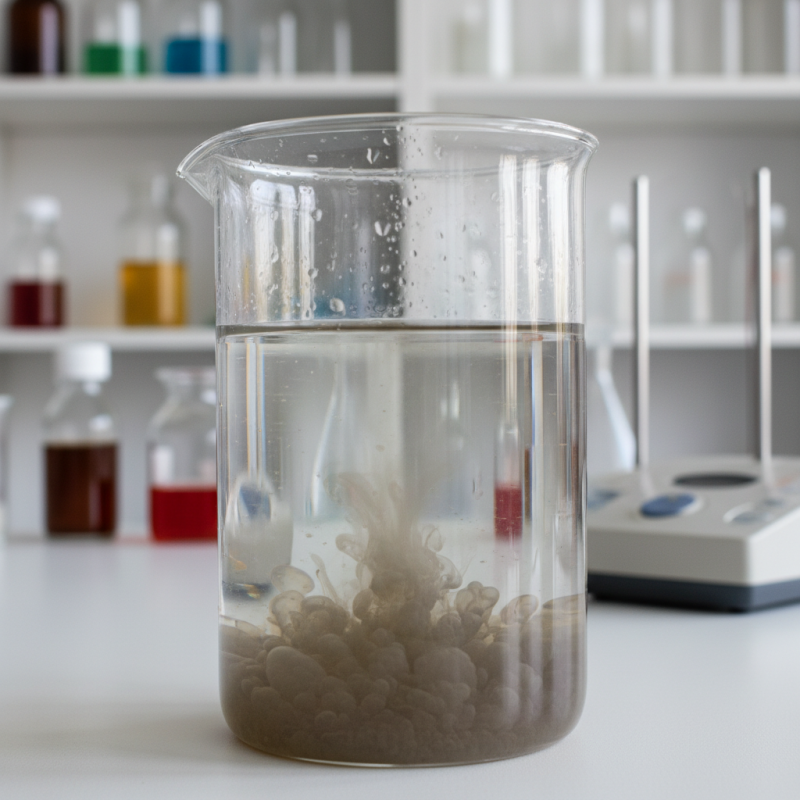
Wastewater flocculants play a critical role in the treatment of wastewater. They help remove suspended solids, heavy metals, and colloidal particles from the water. According to the latest industry reports, these flocculants improve the efficiency of sewage treatment plants by up to 30%. This significant enhancement is vital for meeting regulatory standards and protecting the environment.
The choice of flocculant can influence the treatment process. Often, synthetic and natural options are considered. However, synthetic flocculants can sometimes lead to challenges. For instance, residual chemicals may affect the final effluent quality. A study indicated that over 10% of treated water still shows traces of synthetic additives. This highlights the need for ongoing research into more environmentally friendly alternatives.
As the demand for effective wastewater management increases, the importance of these flocculants cannot be overstated. Monitoring their performance is essential. Adjustments may be needed based on water characteristics and treatment goals. Continuous improvement in flocculant formulation could lead to better outcomes in wastewater treatment systems.
Types of Flocculants Used in Wastewater Treatment
In wastewater treatment, flocculants play a crucial role. They help separate solids from liquids. Understanding the types of flocculants is essential for effective treatment. Commonly used flocculants include natural and synthetic varieties. Natural flocculants derive from plant and animal sources. They are biodegradable and generally safer for the environment.
Synthetic flocculants, often more effective, come in various chemical formulations. Polyacrylamide is a popular choice. It offers excellent flocculation properties but requires careful handling. Many facilities opt for a blend of both types to achieve optimal results. In 2021, the global flocculant market was valued at approximately USD 3 billion. This figure is expected to grow steadily due to increased industrial wastewater production.
Tips: Always conduct jar tests to determine the best flocculant for your specific wastewater. This small step can save time and resources. Consider environmental impact when selecting your flocculant. Not all flocculants are created equal. Some may cause more harm than good. Regularly review your flocculant choice and remain flexible to change.
2026 Top Wastewater Flocculants You Need to Know About
Key Properties to Consider When Choosing Flocculants
When selecting flocculants for wastewater treatment, several key properties should guide your decision. The mechanism of action is critical. Flocculants work through charge neutralization and bridging. Understanding this helps predict how they will perform with specific waste streams. For instance, synthetic flocculants often operate effectively in diverse pH levels, making them versatile choices.
Molecular weight is another important factor. Higher molecular weight flocculants typically enhance floc formation. Studies show that flocculants with molecular weights above 1 million Daltons can achieve better sedimentation rates. However, this can vary based on the type of waste being treated. Lower molecular weight options might be more effective in certain conditions.
Finally, the solubility and dosage requirements cannot be overlooked. Solubility affects the speed of flocculant action in the treatment process. Inadequate dosing can lead to inefficient treatment and increased operational costs. Research indicates that optimal dosing ranges between 0.5 to 3 mg/L, depending on the characteristics of the wastewater. Making the right choice necessitates evaluating these properties carefully while bearing in mind the specific challenges in your treatment process.
Emerging Trends in Wastewater Flocculant Technology for 2026
In 2026, wastewater treatment faces new challenges and opportunities. Emerging flocculant technologies are essential. Reports indicate that the global market for wastewater flocculants is projected to reach $9 billion by 2026. This growth highlights a shift towards more efficient waste management solutions. New biodegradable options are gaining attention, reducing environmental impact significantly.
Innovations in polymer chemistry are forefront in this evolution. Advanced formulations are now available, offering higher performance at lower volumes. Data shows that high-performance flocculants can enhance sedimentation rates by up to 50%. However, some formulations may still rely on non-renewable resources. This raises questions about long-term sustainability.
The industry is also focusing on operational efficiency. Improved flocculation processes can decrease energy consumption in treatment plants. Yet, the implementation of these technologies presents challenges. Staff training and infrastructure upgrades are critical. Without these, the benefits of new flocculants risk being underutilized. Attention to these details is crucial for maximizing the potential of emerging technologies.
2026 Top Wastewater Flocculants You Need to Know About
| Flocculant Type | Application | Dosage (mg/L) | Performance Rating | Environmental Impact |
| Anionic Polymers | Municipal Wastewater Treatment | 5-20 | High | Low |
| Cationic Polymers | Industrial Wastewater Treatment | 10-30 | Medium | Medium |
| Non-ionic Polymers | Sludge Dewatering | 2-10 | Very High | Low |
| Alum-Based Flocculants | Potable Water Treatment | 50-150 | High | Moderate |
| Ferric Chloride | Heavy Metal Removal | 20-200 | High | High |
Top Recommended Flocculants for Efficient Wastewater Management
Efficient wastewater management relies heavily on the right flocculants. They play a crucial role in the treatment process. According to a recent industry report, flocculants can enhance solid-liquid separation by up to 90%. This makes them vital for effective treatment solutions.
Key flocculants include polyacrylamides and natural biopolymers. These substances can improve sedimentation and reduce sludge volume. Studies show that they can decrease chemical oxygen demand (COD) levels significantly, promoting cleaner effluents. However, the choice of flocculant must align with the specific water characteristics being treated. Not every flocculant will perform well under varying conditions.
Challenges remain in this sector. Not all flocculants are biodegradable, raising environmental concerns. The performance of flocculants can vary with temperature and pH levels. Operators must continuously assess their processes. This ensures that wastewater treatment remains both efficient and sustainable. Understanding these variables is essential for optimizing flocculant use and reducing operational costs.