2026 Top Trends in Chemical Waste Disposal Solutions and Innovations?

In recent years, the field of chemical waste disposal has experienced significant transformations. As organizations strive for sustainability, experts like Dr. Emily Chen emphasize the importance of innovation. She once stated, “Only through new technologies can we effectively manage our chemical waste.” Her insight highlights the urgency of developing modern solutions.

The challenge of disposing of hazardous materials continues to grow. Companies face stricter regulations and heightened public scrutiny. Innovations in chemical waste disposal must not only be efficient but also environmentally responsible. New methods such as advanced recycling and bioremediation have emerged, yet there are hurdles to overcome.

Despite advancements, gaps still exist in practical implementation. Many industries struggle with compliance and understanding best practices. This inconsistency can lead to costly mistakes and environmental risks. As we approach 2026, the focus will be on refining these solutions and ensuring they are widely adopted. Addressing these issues will require collaboration across sectors, pushing the limits of what is achievable in chemical waste disposal.

2026 Top Trends in Chemical Waste Disposal Solutions and Innovations?

Emerging Technologies in Chemical Waste Disposal: A 2026 Overview
2026 Top Trends in Chemical Waste Disposal Solutions and Innovations?

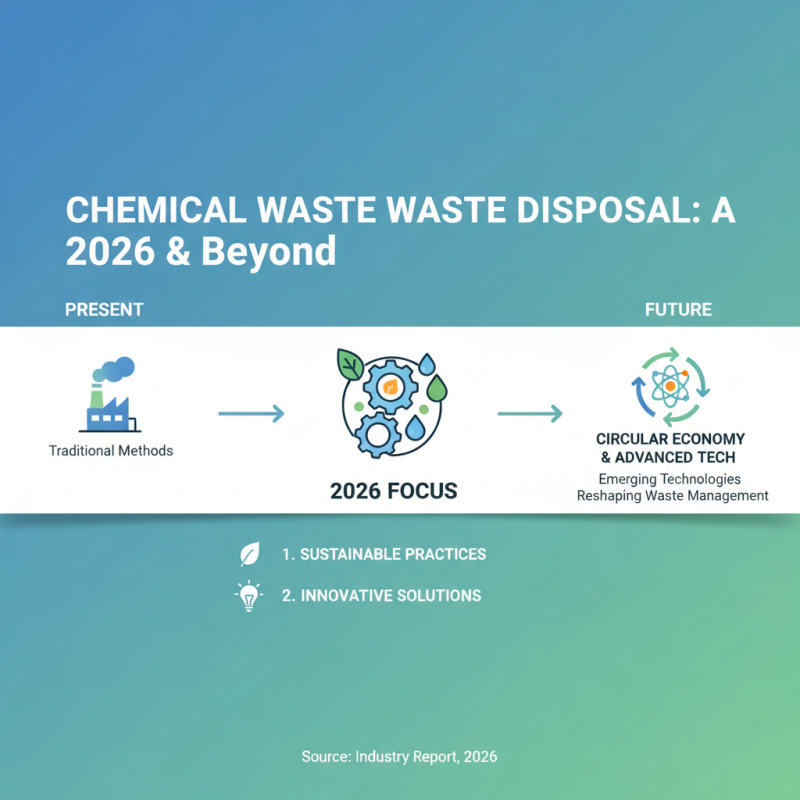
The landscape of chemical waste disposal is rapidly evolving. Emerging technologies are reshaping how we approach waste management. In 2026, the focus will increasingly shift toward sustainable practices and innovative solutions.

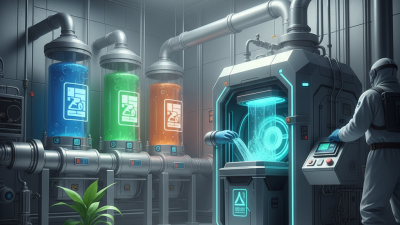
Advanced treatment methods are at the forefront. Techniques like bioremediation are showing promise in breaking down hazardous compounds. However, challenges remain in their application and effectiveness. Many facilities lack the necessary infrastructure to implement these technologies fully. The integration of artificial intelligence is also changing the game. AI can optimize waste sorting and improve recycling rates. Yet, reliance on technology can sometimes lead to oversights in human judgment.

Public awareness plays a crucial role in these advancements. Many industries are still hesitant to adopt new practices due to costs or lack of knowledge. Collaboration between sectors could drive innovation forward. Ongoing education on chemical waste impacts is vital. Despite progress, gaps in understanding persist. The journey toward effective waste disposal solutions will require continuous learning and adjustments. The road ahead is promising, but it remains complex and filled with obstacles.

Regulatory Changes Shaping Chemical Waste Management Practices

The regulatory landscape for chemical waste management is rapidly evolving. New guidelines are being introduced to enhance safety and environmental sustainability. According to a 2023 report by the Environmental Protection Agency, nearly 45% of hazardous waste violations are linked to improper disposal methods. This statistic highlights the urgent need for businesses to adapt to changing regulations.

Many companies struggle to stay compliant. Some organizations still rely on outdated disposal methods, which can lead to significant penalties. For instance, a 2022 industry analysis indicated that fines for non-compliance have increased by 30% over the last five years. Innovations in monitoring and reporting are critical for improving compliance. Technologies like real-time tracking systems are essential tools for many firms.

The trend towards more stringent regulations is expected to continue. In 2025, 70% of companies will need to update their waste disposal practices to align with new standards. This illustrates the pressing need for chemical waste disposal solutions that are both effective and compliant. As regulations tighten, collaboration between companies and regulatory bodies will be vital in creating sustainable waste management practices.

Innovative Recycling Techniques for Chemical Waste in 2026

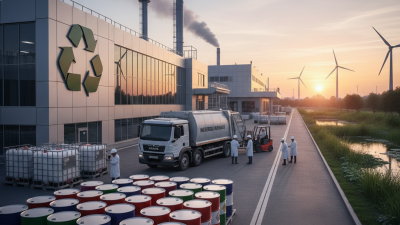
Innovative recycling techniques are set to revolutionize chemical waste disposal in 2026. As the demand for sustainable practices grows, companies are exploring new methods. These methods not only reduce waste but also recover valuable materials. For example, advanced filtration systems can reclaim solvents from industrial processes. This not only cuts costs but also minimizes environmental impact.

Tips: Always evaluate the effectiveness of your recycling methods. Regular audits can help identify areas for improvement. Collaboration with experts can provide new insights. Consider the differences between techniques and their specific applications.

Another exciting trend is the use of biotechnology. Microorganisms can break down complex chemicals into simpler, less harmful compounds. This natural process can be more efficient than traditional methods. However, research is necessary to ensure safety and efficiency. Some techniques may still be in their experimental phase.

Tips: Stay informed about emerging technologies. Adaptation is key in this fast-changing landscape. Conduct tests on different methods to see what works best for your waste type. Don't shy away from trial and error; learning is a part of progress.

2026 Top Trends in Chemical Waste Disposal Solutions and Innovations

This chart illustrates the projected trends in innovative recycling techniques for chemical waste in 2026. The data is based on anticipated advancements in technology and practices within the waste management sector.

Sustainable Solutions: Reducing Environmental Impact of Chemical Disposal

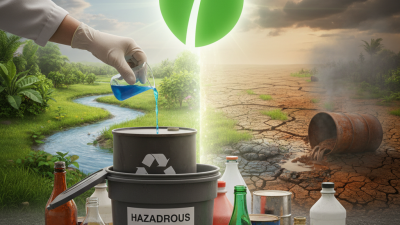
The challenge of chemical waste disposal is profound. In 2020, over 400 million tons of hazardous waste were generated worldwide, according to the United Nations Environment Programme. This figure continues to rise, stressing the need for sustainable solutions that minimize environmental impact.

Innovations are emerging in waste management. Biodegradable containers are gaining traction, replacing traditional plastics. Advanced recycling technologies can convert chemical waste back into usable materials. This shift not only reduces landfill use but also lowers carbon emissions. Still, challenges remain. The infrastructure for widespread adoption of these solutions is often lacking, creating hurdles for effective implementation.

Public awareness plays a critical role in driving change. Many businesses are still unaware of the impact of improper disposal methods. Education on sustainable practices is essential. Furthermore, regulatory frameworks need updating to catch up with technological advancements. Continuous reflection on our disposal methods is necessary to ensure we prioritize the planet's health.

Case Studies: Successful Implementations of New Waste Disposal Methods

Innovations in chemical waste disposal are crucial for sustainability. Numerous companies are trialing new methods to improve their waste management systems. A recent report indicates that the global market for chemical waste management is expected to grow by 6% annually over the next five years. This growth pushes the industry to adopt smarter disposal solutions.

One case study revealed that a facility adopted a closed-loop system. This system recycles wastewater and minimizes hazardous waste. They reported a 30% reduction in overall waste output within a year. The facility faced initial challenges in implementation. Training staff proved difficult as traditional methods were deeply ingrained. However, with persistent education, they saw significant success.

Another facility employed advanced biological treatments for their waste. Traditional chemical methods were replaced with bio-remediation strategies. The transition was not smooth. The efficiency of the new method took time to optimize. Nevertheless, after several months, they achieved a noticeable drop in toxin levels. This case highlights the importance of patience and continuous improvement in waste disposal innovations.

2026 Top Trends in Chemical Waste Disposal Solutions and Innovations

Trend Solution Type Implementation Year Key Benefits Case Study Highlights
Advanced Chemical Recycling Thermal Decomposition 2025 High recovery rate of materials Pilot program achieved 90% recovery of polymer feedstock.
Circular Economy Practices Waste-to-Energy 2024 Transform waste into energy Reduced landfill waste by 50% in targeted region.
Digital Waste Management Systems Cloud-based Monitoring 2026 Enhanced tracking of waste streams Real-time data analytics improved operational efficiency.
Sustainable Packaging Initiatives Biodegradable Materials 2023 Reduced environmental footprint Successfully replaced 75% of conventional packaging.
Innovative Extractive Processes Solvent Extraction 2026 Higher separation efficiency Achieved 95% purity in metal recovery from waste.
Scroll to Top