Amino Lysine Benefits and Best Sources for Global Buyers?
Amino Lysine plays a crucial role in human health. This essential amino acid is vital for the body's growth and repair processes. Many people may not fully understand its benefits. Research highlights how amino lysine supports immune function, enhances calcium absorption, and aids in collagen production.
Sourcing high-quality amino lysine is essential for global buyers. Various foods are rich in this amino acid. Animal proteins, legumes, and certain grains are excellent options. However, the availability may vary based on geographic location. This variability can pose challenges in meeting dietary needs.
Despite its benefits, the importance of balanced sourcing should not be overlooked. Over-reliance on specific sources can lead to imbalances. It's vital to ensure a diverse intake of nutrients while focusing on amino lysine. Buyers must assess quality to maximize its advantages effectively.
Amino Lysine: Understanding Its Importance for Health
Amino lysine plays a crucial role in health and wellness. It is an essential amino acid, meaning the body cannot produce it on its own. Lysine contributes to protein synthesis, hormone production, and immune function. It also aids in calcium absorption, promoting bone health. Low levels of lysine might lead to fatigue and weakened immunity.
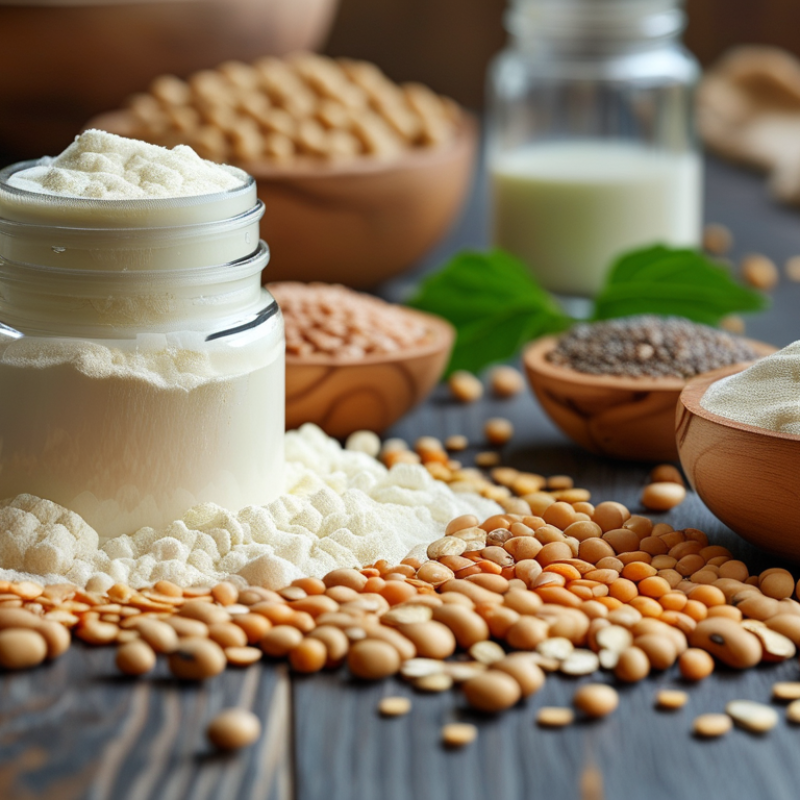
For those looking to increase lysine intake, certain foods are rich in this amino acid. Meat, fish, eggs, and dairy products are excellent sources. Beyond these, legumes like beans and lentils also provide lysine. Individuals following a vegan diet can focus on quinoa, soy products, and nuts to meet their needs.
**Tips**: Pay attention to your diet. Combine various protein sources to ensure adequate lysine. Monitor your health for signs of deficiency, like low energy. Remember, too much of anything can be counterproductive. Balance is key in nutrition.
Amino Lysine Benefits and Best Sources for Global Buyers
| Benefit | Description | Best Sources |
| Muscle Growth | Amino lysine plays a vital role in protein synthesis, which is essential for muscle development. | Meat, poultry, fish, eggs |
| Immune Support | Helps boost the immune system and may enhance the body's defense against infections. | Legumes, nuts, and dairy products |
| Calcium Absorption | Facilitates the absorption of calcium, contributing to bone health. | Tofu, soybeans, and cheese |
| Hormone Production | Necessary for the production of hormones and enzymes that are critical for bodily functions. | Fish, chicken, and turkey |
| Tissue Repair | Essential for repairing tissues and promoting recovery from injuries. | Beef, eggs, and quinoa |
Key Benefits of Amino Lysine for the Human Body
Amino lysine, an essential amino acid, plays a critical role in human health. It is vital for protein synthesis, hormone production, and the absorption of calcium. Research indicates that individuals lacking in lysine may experience reduced immune function and increased anxiety levels. The National Institutes of Health report that lysine can support the body's production of collagen, crucial for skin and joint health.
In terms of dietary sources, lysine is abundant in animal proteins such as meat, fish, and dairy. Plant-based options include legumes, quinoa, and soy products, although these may provide lysine in lower amounts. A study published in the Journal of Nutrition highlighted that vegans often struggle to meet their lysine needs due to these dietary choices. Thus, monitoring lysine intake can be essential for those following plant-based diets.
Lysine also interacts with other nutrients, influencing their effectiveness. For instance, it helps to improve calcium absorption, contributing to bone health. Interestingly, some researchers suggest that inadequate lysine intake may hinder muscle recovery after exercise, highlighting its importance for athletes and active individuals. Understanding these benefits can empower individuals to make informed dietary choices.
Amino Lysine Benefits and Best Sources
Amino lysine is crucial for various bodily functions, including muscle growth and immune response. This chart illustrates the significant benefits of amino lysine, with muscle growth showing the highest impact.
Top Dietary Sources of Amino Lysine for Global Consumers
Amino lysine is an essential amino acid crucial for various bodily functions. It plays a significant role in protein synthesis, hormone production, and calcium absorption. For consumers seeking natural sources of amino lysine, understanding dietary options is key.
Top sources of amino lysine include animal proteins. Meat, poultry, and fish are rich in this vital nutrient. For those who prefer plant-based options, legumes such as lentils and beans provide ample lysine. Quinoa, a complete protein, is another excellent choice. Nuts and seeds also contain some lysine, but in smaller amounts compared to animal sources.
While these foods are beneficial, not everyone includes enough lysine in their diets. Vegetarians and vegans might need to be particularly mindful. They can combine various plant proteins to ensure adequate intake. It's essential for these diets not to neglect lysine-rich foods. Monitoring your intake can help avoid deficiencies that impact health.
Comparative Analysis of Lysine Supplements Available Worldwide
Lysine supplements come in various forms globally, each offering distinct benefits. Among these, L-lysine is the most well-known. It supports muscle recovery and may enhance immune function. Another popular form is lysine made from fermented sources. Fermented lysine is considered more bioavailable, meaning the body can absorb and use it more effectively.
When comparing lysine supplements, buyers should consider purity and concentration. Some products may contain fillers or additives, reducing their effectiveness. It's crucial to check ingredient lists and third-party testing. Supplements that are labeled as high-grade might suggest superior quality. However, individual responses can vary based on lifestyle and diet.
Cost can also be a significant factor. Premium products often come with a higher price tag, but they may not always deliver better results. Value for money hinges on personal needs and usage frequency. Users may find they need to experiment with different brands to gauge effectiveness. Transparency in sourcing and manufacturing processes is vital for informed choices.
Recommendations for Daily Intake of Amino Lysine for Optimal Wellness
Amino lysine is essential for numerous bodily functions. This amino acid plays a crucial role in protein synthesis, hormone production, and calcium absorption. For optimal wellness, understanding daily intake recommendations is vital. Most adults require about 10 mg of lysine per kilogram of body weight. However, some individuals may need more, especially if they’re athletes or under stress.
Incorporating foods rich in lysine is beneficial. High-protein foods like meats, eggs, and dairy are excellent sources. Vegetarians can turn to legumes, nuts, and seeds. However, these sources may vary in lysine content. Not all plant-based proteins have the same amount. It’s important to combine different foods to meet the daily needs effectively.
Monitoring your lysine intake can be challenging. Overlooking it may lead to deficiencies, affecting immune function and muscle recovery. Consider tracking your meals to ensure adequate consumption. Seeking guidance from a nutritionist can help in achieving a balanced intake. Reflect on your diet and assess if you are meeting your needs.