2026 Best Industrial Chemicals for Sustainable Manufacturing Solutions?
As the world advances towards sustainable manufacturing, the role of industrial chemicals remains pivotal. Renowned expert Dr. Emily Tran, a leader in green chemistry, states, “Sustainable solutions in industrial chemicals can define our future.” Her words underscore the importance of selecting eco-friendly chemicals that meet environmental guidelines.
The challenge lies in transitioning from traditional methods to more sustainable practices. Many companies still rely heavily on harmful chemicals that impact ecosystems. This reliance raises questions about long-term viability and corporate responsibility.
In 2026, innovation in industrial chemicals promises a range of solutions. Sustainable alternatives will not only minimize environmental footprints but also improve efficiency and profitability. The path forward is fraught with complexities, yet the potential rewards of embracing sustainable industrial chemicals are undeniable.
Overview of Sustainable Manufacturing and its Importance
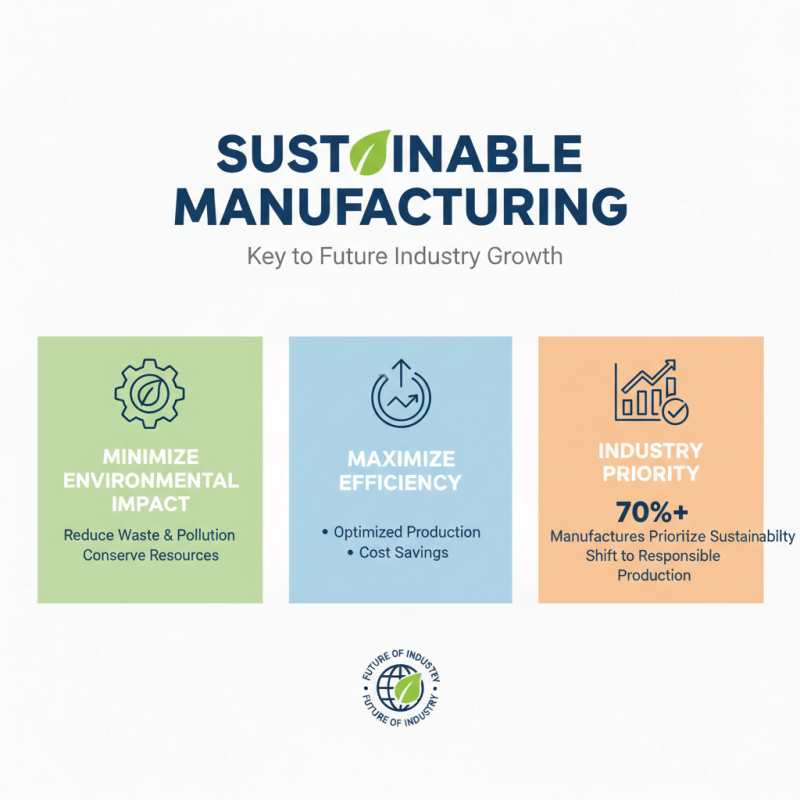
Sustainable manufacturing is essential for future industry growth. It focuses on minimizing environmental impact while maximizing efficiency. According to a recent report, over 70% of manufacturers recognize sustainability as a priority. This trend shows a shift towards responsible production.
The importance of sustainable manufacturing doesn’t stop at reducing waste. It also saves costs and boosts innovation. Companies using sustainable methods report a 15% increase in productivity. However, many still struggle to integrate these practices into their operations. This gap highlights the need for focused strategies.
Tips:
1. Conduct an energy audit annually. This can reveal potential savings.
2. Invest in employee training on sustainability practices. Engaged staff can drive change.
3. Partner with suppliers committed to green practices. This strengthens the supply chain.
Despite these benefits, just 23% of manufacturers have fully implemented sustainable practices. This indicates room for improvement. Companies must embrace change or risk falling behind in a competitive market. It’s a call to action for all industries.
Key Characteristics of Industrial Chemicals for Sustainability
Sustainable manufacturing hinges on the use of eco-friendly industrial chemicals. These chemicals must possess several key characteristics to align with sustainability goals. A prominent feature is biodegradability. According to a report by the Environmental Protection Agency, about 30% of industrial chemicals still persist in the environment rather than breaking down naturally. This poses risks to ecosystems.
Another crucial aspect is non-toxicity. Chemicals should not harm human health or the environment. A study from the International Journal of Environmental Science found that approximately 70% of industrial chemicals are harmful at high concentrations. Reducing harmful chemical exposure is essential in fostering a safe working environment.
Additionally, energy efficiency plays a pivotal role in selecting industrial chemicals. Research indicates that energy-intensive processes can lead to increased emissions. Manufacturers should seek alternatives with lower energy requirements. This shift not only enhances sustainability but also can lower operational costs. The challenge lies in balancing these characteristics while ensuring product effectiveness and performance. Striking this balance is key for future advancements in sustainable manufacturing.
Top Sustainable Industrial Chemicals and Their Applications
Sustainable industrial chemicals play a key role in eco-friendly manufacturing. These substances reduce environmental impact significantly. One example is bioplastics, derived from renewable sources. They can replace traditional plastics in various applications. For instance, they are used in packaging materials, offering better end-of-life disposal options.
Another important category is plant-based solvents. These solvents, made from natural materials, provide safer alternatives to petroleum-based options. They are increasingly used in paints and coatings. However, their performance can vary. Manufacturers often face challenges in finding the right balance between sustainability and effectiveness.
Natural surfactants also deserve attention. They are derived from plant oils and sugars, making them biodegradable. These surfactants are used in cleaning products. Despite their eco-friendly benefits, formulating effective products can be tricky. Companies must prioritize innovation to ensure performance does not lag behind conventional options. There's much to learn and improve.
Innovative Technologies Supporting Sustainable Chemical Practices
Sustainable manufacturing is transforming industries. Innovative technologies play a crucial role in this shift. From bio-based chemicals to advanced catalysts, the landscape is rich with possibilities. These developments help reduce waste and energy consumption. They also enhance efficiency in production processes.
Implementing these technologies requires careful consideration. Not every solution will fit every operation. Manufacturers must assess their unique needs. The right technology should align with business goals and environmental regulations. Here are some tips: adopt a trial-and-error approach. Test new processes on a small scale first. Evaluate the results before a full rollout.
Collaboration is vital for innovation. Engaging with research institutions can lead to breakthroughs. Sharing knowledge and experiences fosters a culture of sustainability. Still, many companies face challenges in integrating new practices. They may struggle with existing systems or workforce resistance. Continuous learning and adaptation are essential for overcoming these hurdles.
Future Trends in Sustainable Chemicals for Industrial Use
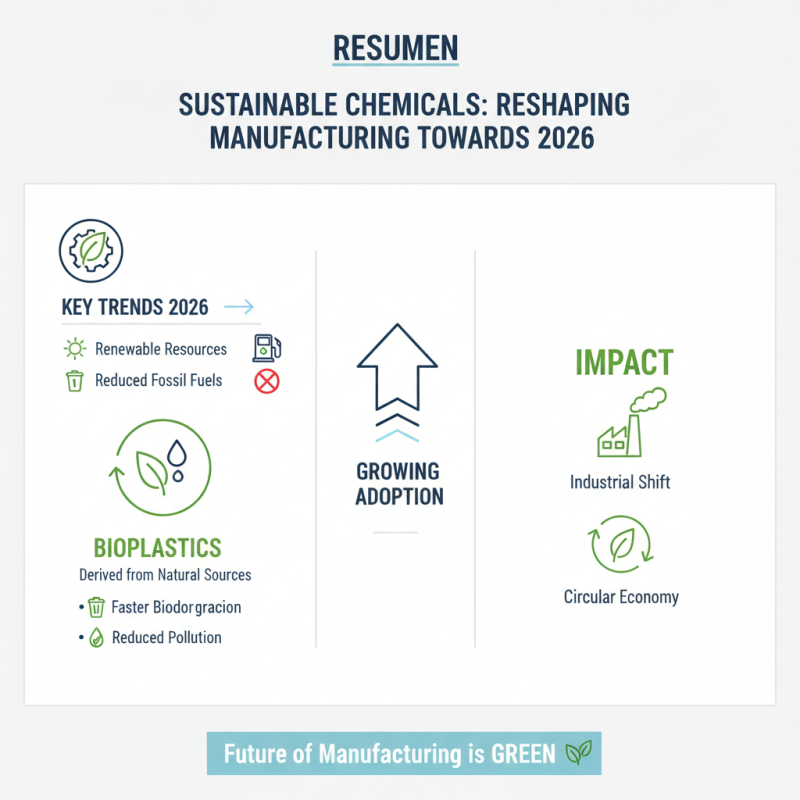
Sustainable chemicals are reshaping industrial manufacturing. As we move toward 2026, trends reveal a growing focus on renewable resources. Bioplastics, derived from natural sources, are gaining traction. These materials reduce reliance on fossil fuels. They can biodegrade faster than traditional plastics.
Another trend is the development of green solvents. These solvents are less harmful to the environment. They streamline processes, reducing waste. However, challenges remain. Many green solvents need further research to enhance their effectiveness and stability. Finding the right balance between performance and eco-friendliness is crucial.
Supply chain transparency is also becoming important. Industries aim to trace their chemical sources. This effort helps ensure sustainability. Yet, not all companies have the tools for effective tracking. A gap exists between intentions and capabilities. Addressing this requires innovation and commitment from all stakeholders.