2026 Best Innovations in Chemical Manufacturing Industry?
The future of the chemical manufacturing industry is being reshaped by innovation. As we look ahead to 2026, technologies like automation, digitalization, and sustainable practices will be vital. According to a BCG report, the chemical industry will invest over $100 billion in digital technologies by 2025. Such investments promise to boost efficiency and reduce environmental impacts.
Expert in chemical manufacturing, Dr. Emily Chen, emphasizes the need for progress. She states, "Innovation is not just an option; it's a necessity." As companies adopt greener methods, the industry could potentially cut greenhouse gas emissions by 20% within a decade. However, challenges remain. Many companies struggle to balance cost and innovation.
This evolving landscape encourages reflection. While advancements are necessary, companies must navigate risks like cybersecurity and workforce skills gaps. The journey of innovation is fraught with hurdles but holds immense promise for those willing to adapt and invest in the future of chemical manufacturing.

Innovative Automation Technologies Reshaping Chemical Manufacturing in 2026
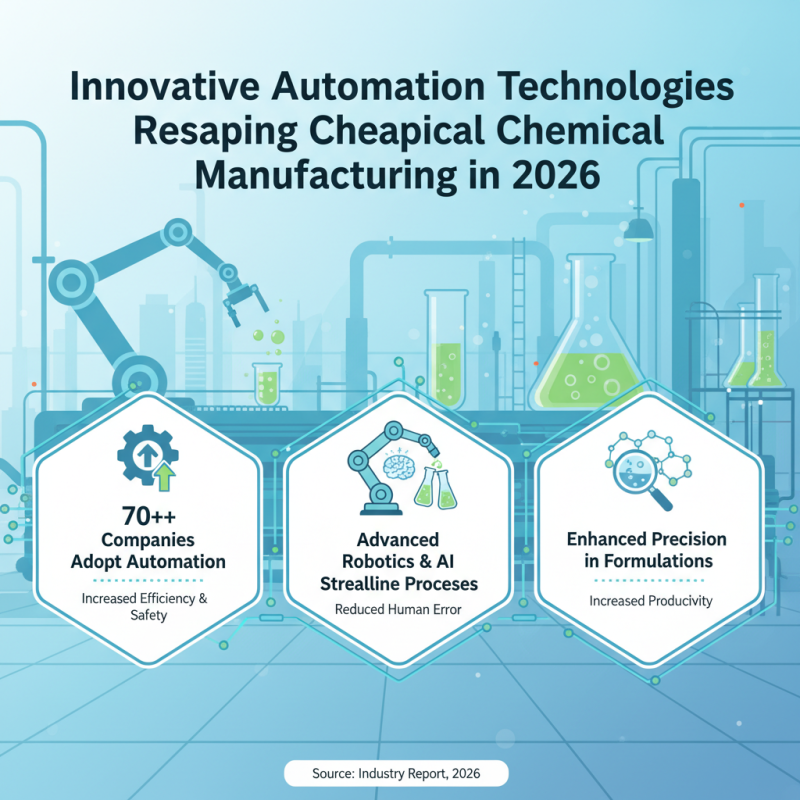
Innovative automation technologies are significantly reshaping the chemical manufacturing industry in 2026. According to a recent report, over 70% of companies have adopted some form of automation, leading to increased efficiency and safety. Advanced robotics and artificial intelligence are streamlining processes, reducing human error. Automation not only increases productivity but also enhances precision in chemical formulations.
However, the rapid adoption of these technologies presents challenges. Some manufacturers struggle with integrating automation into existing systems. Training employees to work alongside advanced technologies is crucial yet often overlooked. A recent study highlighted that 60% of businesses reported skill gaps as a major hurdle in automation implementation.
The reliability of automated systems is paramount. Reports indicate that while automation reduces operational costs by 20%, it can also result in operational downtime if systems fail. This creates a delicate balance between dependence on technology and maintaining traditional manufacturing skills. The future of chemical manufacturing lies in finding that equilibrium, ensuring both efficiency and resilience in operations.
Sustainable Practices: The Rise of Green Chemistry in Chemical Production
The chemical manufacturing industry is undergoing a significant transformation. Sustainable practices have become essential. Green chemistry is at the forefront of this shift. It emphasizes safety and reduces environmental impact. Chemical processes are being redesigned to minimize waste and energy use. This approach promotes the use of renewable resources and non-toxic materials.
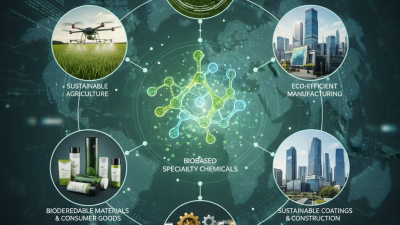
Many companies are exploring bio-based chemicals. This reduces reliance on fossil fuels. Innovations in synthetic biology help create sustainable alternatives. For example, using microorganisms to produce chemicals can lead to lower costs and less pollution. However, challenges remain. The scalability of these practices can be difficult. Not all green technologies are economically viable yet.
Collaboration between various sectors is crucial for progress. Researchers, manufacturers, and policymakers need to come together. Sharing knowledge can accelerate the adoption of green chemistry. While there is excitement about these innovations, caution is necessary. The journey towards a sustainable future in chemical manufacturing is still ongoing. Balancing innovation with practicality remains a challenge.
Advancements in Biochemical Engineering and Their Impact on Manufacturing
The advancements in biochemical engineering are reshaping the chemical manufacturing landscape. In recent years, we have seen significant growth in the use of biocatalysis. According to a report from the American Chemical Society, biocatalysts can increase production efficiency by up to 30%. This not only reduces costs but also minimizes waste. As sustainability becomes a priority, manufacturers are looking for more eco-friendly options.
Another breakthrough is the integration of artificial intelligence in biochemical processes. AI optimizes fermentation conditions, leading to higher yields and improved consistency. Recent industry data shows that AI implementation can boost output by 15% while cutting down processing time. However, challenges remain. The technology requires skilled personnel and robust data management systems.
Moreover, the industry faces hurdles in scaling up these innovations. Transitioning from laboratory success to full-scale manufacturing often reveals unforeseen complications. For instance, the scaling of enzymatic processes can sometimes lead to decreased activity or stability. Manufacturers must carefully evaluate these risks as they adopt new technologies. Each advancement requires thoughtful consideration of its practical implications and economic feasibility. The journey is complex, but the potential rewards are substantial.
2026 Best Innovations in Chemical Manufacturing Industry
| Innovation |
Description |
Impact on Manufacturing |
Year of Implementation |
| Bioprocessing Technology |
Utilizing living cells for chemical production. |
Increased efficiency and reduced waste in production. |
2026 |
| Digital Twin Applications |
Creating virtual models for real-time monitoring. |
Enhanced operational efficiency and predictive maintenance. |
2026 |
| Green Catalysts |
Sustainable catalysts for chemical reactions. |
Reduction in toxic byproducts and energy consumption. |
2026 |
| AI-Driven Process Optimization |
Using AI algorithms to optimize manufacturing processes. |
Improved yield and reduced operational costs. |
2026 |
| Advanced Materials Development |
Development of new materials for chemical applications. |
Enhanced product performance and durability. |
2026 |
Integrating AI and Machine Learning for Enhanced Production Efficiency
In the evolving landscape of chemical manufacturing, integrating AI and machine learning is becoming crucial. According to a report by McKinsey, companies deploying these technologies can achieve up to 30% efficiency gains in production processes. This is an impressive figure, yet many firms are still hesitant to fully embrace these innovations. Resistance often stems from a lack of understanding or fear of the initial investment.
AI can optimize supply chain operations, reduce waste, and improve quality control. For instance, predictive analytics can foresee equipment failures before they occur, minimizing downtime. However, implementing these systems requires a skilled workforce. A recent survey indicated that 45% of chemical manufacturers struggled to find employees proficient in data science and AI applications. Without the right talent, even the best technology can fall short.
Despite these challenges, the benefits of AI integration are clear. It can potentially transform not only how chemicals are produced but also how they are marketed. Yet, a careful approach is necessary. Companies must weigh the costs and benefits. They should consider pilot projects to test AI tools before large-scale implementation. Success stories exist, but not every attempt yields results, emphasizing the need for thoughtful evaluation in this critical industry.
2026 Best Innovations in Chemical Manufacturing Industry
This bar chart illustrates the adoption of AI and Machine Learning technologies in various sectors of the chemical manufacturing industry, highlighting their impact on production efficiency.
Emerging Materials and Their Role in Revolutionizing Chemical Processes
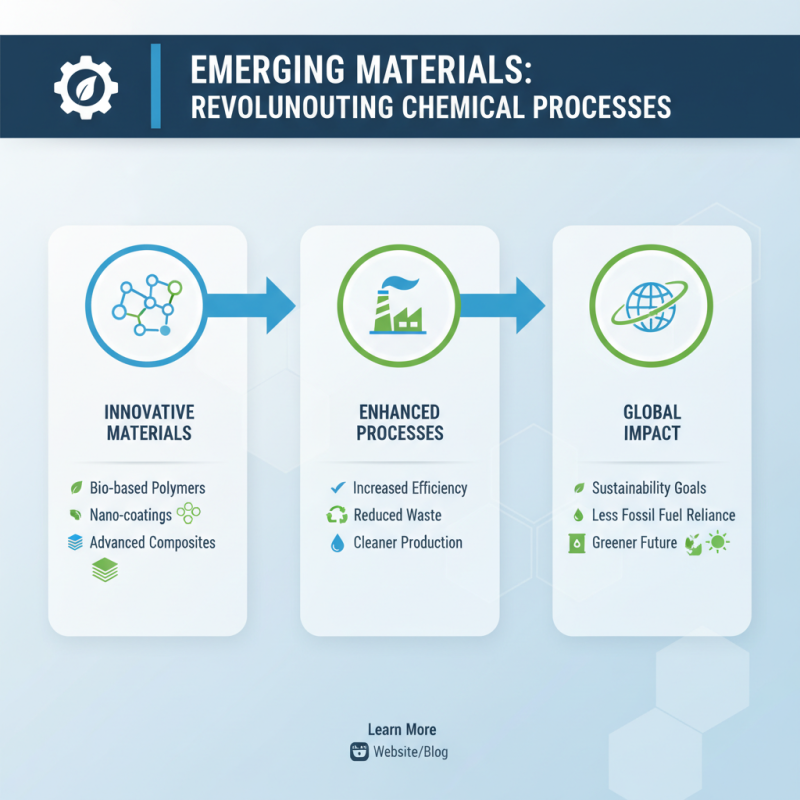
Emerging materials are reshaping the landscape of chemical manufacturing. Innovative polymers, nano-coatings, and advanced composites are at the forefront. These materials enhance efficiency and sustainability in various processes. For example, bio-based polymers reduce reliance on fossil fuels. They offer a cleaner alternative for production processes, aligning with global sustainability goals.
However, the transition to these new materials comes with challenges. Many industries face hurdles in integrating these innovations. Not all emerging materials meet performance criteria or regulatory standards. Testing and validation can be time-consuming and costly. This often leads to hesitation among manufacturers, despite potential long-term benefits.
The role of research and development is crucial. Continuous exploration is necessary to uncover the full potential of these materials. Collaboration among experts can bridge the gap between innovation and application. Field trials and pilot projects serve as practical platforms for assessing new materials. The journey is complex, and not all innovations will succeed, but the potential impacts on chemical processes are undeniable.