Best Practices for Solvent Waste Disposal Methods?
Effective solvent waste disposal is critical in various industries. Improper management of solvent waste can lead to environmental damage and health hazards. Understanding best practices for solvent waste disposal ensures compliance and safety.
Many facilities generate solvent waste regularly. Failing to manage this waste can result in legal repercussions and harm to the community. It’s crucial to identify the types of solvents used. Each solvent has unique disposal guidelines. Companies should develop clear procedures tailored to their specific needs.
Awareness of these practices is key. Regular training for employees can enhance safety. Keeping up with evolving regulations is essential. There’s always room for improvement in disposal methods. Ultimately, a commitment to responsible solvent waste disposal reflects on a company's integrity and community responsibility.
Overview of Solvent Waste Types and Their Environmental Impact
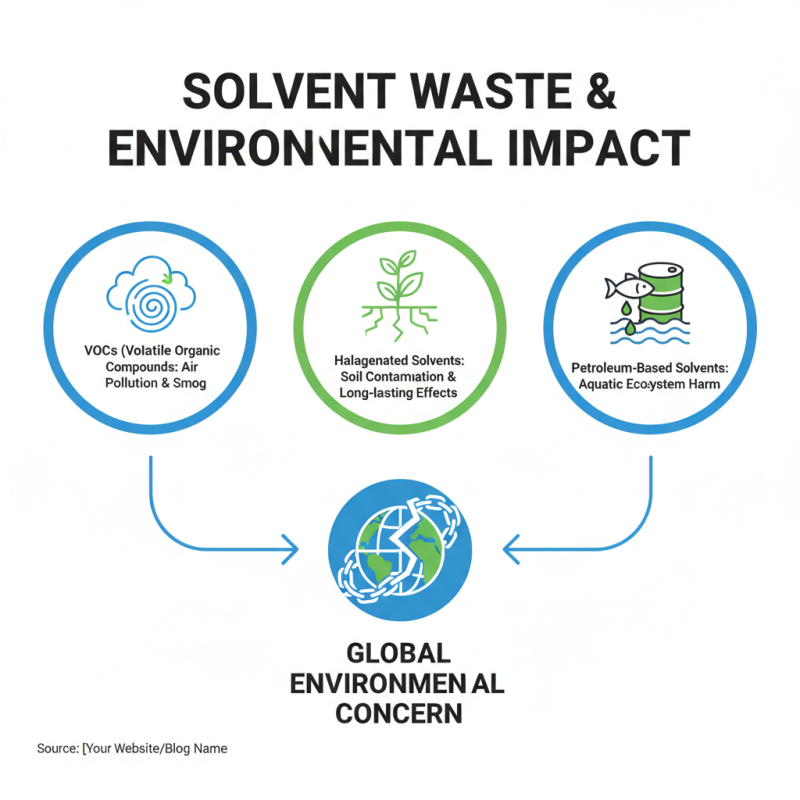
Solvent waste is a significant concern due to its potential environmental impact. Common types include volatile organic compounds (VOCs), halogenated solvents, and petroleum-based solvents. Each type poses unique risks. VOCs can contribute to air pollution and smog formation. Halogenated solvents may cause soil contamination and have long-lasting effects. Petroleum-based solvents are particularly harmful to aquatic ecosystems.
Managing solvent waste properly is crucial. Tips for safe disposal include segregating waste types and using sealed containers. Always label your containers clearly to avoid mix-ups. Consider contacting local waste management authorities for guidelines. They provide essential information on authorized disposal facilities.
Frequent inspections of storage areas can help identify leaks or spills early. Not all disposal methods are equal. Some practices, like incineration, can release harmful emissions. Reflect on your waste management approach regularly. Evaluate if your practices align with environmental standards. It's an ongoing process that requires diligence and improvement.
Regulatory Framework for Solvent Waste Disposal: Key Legislation
Solvent waste disposal is critical for environmental safety. Many regulations govern how solvents are managed. Understanding these laws is essential for compliance. The Resource Conservation and Recovery Act (RCRA) in the U.S. sets guidelines for hazardous waste management. It defines what constitutes hazardous waste, including specific solvent types. Entities generating this waste must follow these regulations strictly.
Additionally, local regulations may require specific permits for storage and disposal. These rules can vary significantly by state and locality. Thus, businesses must stay informed about their local legislation. Failure to comply can lead to serious consequences, including hefty fines. Companies often face challenges understanding these requirements fully.
Implementing best practices can mitigate risks. Staff training ensures everyone is knowledgeable about procedures. Regular audits and reviews provide opportunities for improvement. Companies should continuously assess their waste management processes. This reflection helps identify gaps and solutions for better compliance. Understanding the regulatory framework is not just a legal duty; it promotes sustainability and safety for all.
Best Practices for Segregating and Labeling Solvent Waste
Segregating and labeling solvent waste is crucial for effective disposal. Proper segregation minimizes the risk of chemical reactions that can lead to hazardous conditions. According to a report by the Environmental Protection Agency (EPA), improper disposal of solvents can result in significant environmental impacts. It’s essential to separate solvents by their chemical properties and ensure that incompatible materials do not mix.
When labeling solvent waste, clarity and accuracy are key. Labels should contain the type of solvent, the hazards associated, and the date of accumulation. As per industry standards, clear labeling reduces incidents of incorrect disposal. A well-labeled waste container can decrease potential risks during transport and handling, preventing accidents.
Tips: Always use durable labels that can withstand spills. Consider color coding waste containers based on the type of solvent. Regularly review and update labels to maintain compliance with regulations. Remember that the waste disposal process is as critical as the production phase. Reflect on your current practices and identify areas for improvement. Engaging all team members in these practices enhances overall safety and compliance.
Methods of Treatment and Recycling for Solvent Waste
The disposal of solvent waste is a critical issue in industries like manufacturing and pharmaceuticals. Understanding effective treatment and recycling methods can significantly lessen environmental impact. A study by the Environmental Protection Agency emphasizes that nearly 1.2 million tons of hazardous waste, including solvents, were generated in the U.S. in 2020. Proper disposal is not just a regulatory requirement; it's also a step toward sustainable practices.
Recycling solvents is a viable option. Distillation, often preferred, separates solvents from impurities. This method allows for recovered solvents to be reused in production, reducing waste and costs. According to the American Chemical Society, distillation can recover up to 90% of the original solvent volume. Other methods, like biological treatment, can mitigate solvent toxicity through microbial processes. These practices, however, are complex and may not be universally applicable.
Tips: Always assess the waste stream. Each solvent may require tailored disposal methods. Implementing a regular review of solvent types and volumes can optimize recycling efforts. Continuous training can ensure staff follow these best practices effectively. Remember, even small improvements can lead to significant environmental benefits.
Best Practices for Solvent Waste Disposal Methods
This bar chart illustrates the effectiveness of various solvent waste disposal methods based on the percentage of waste reduced. Each method has its unique benefits and applications in waste management.
Safe Shipping and Disposal of Solvent Waste: Essential Guidelines
Proper management of solvent waste is crucial for safety and environmental protection. When shipping hazardous solvent waste, understanding legal requirements and best practices is key. For instance, according to the Environmental Protection Agency (EPA), nearly 7 million tons of hazardous waste, including solvents, were generated in the U.S. in 2018. Accurate labeling prevents mishaps during transport, ensuring that all handlers are aware of the waste’s nature.
Transporting solvent waste requires appropriate containers and procedures. The United Nations recommends using standardized containers that are leak-proof. Even minor leaks can lead to significant environmental damage. Inappropriate disposal can escalate costs, exposing organizations to fines and liability. In a study, 30% of companies reported instances of mishandled waste, highlighting the need for stricter processes.
Training staff on safety measures is vital. Research indicates that 60% of waste-handling incidents stem from human error. Clear procedures can help mitigate risks. Regular audits ensure compliance, though they often reveal areas needing improvement. It's important for businesses to reflect on their practices, as oversights can result in costly repercussions.
Best Practices for Solvent Waste Disposal Methods
| Disposal Method |
Description |
Safety Precautions |
Environmental Impact |
| Incineration |
High-temperature burning of solvent waste in controlled conditions. |
Use protective equipment; ensure proper ventilation. |
Reduces waste volume; produces emissions that must be controlled. |
| Chemical Neutralization |
Reacting solvents with chemicals to neutralize their hazardous properties. |
Wear appropriate PPE; conduct reactions in fume hoods. |
Can produce hazardous byproducts; handling requires care. |
| Recycling |
Recovery of solvents for reuse through distillation and purification processes. |
Ensure compatibility; assess contamination levels. |
Reduces overall waste and resource consumption. |
| Landfilling |
Disposal of solvent waste in approved landfills. |
Ensure waste is non-hazardous; monitor landfill regulations. |
May lead to soil and groundwater contamination if not managed properly. |
| On-site Treatment |
Using portable treatment systems to process solvents on site. |
Follow manufacturer guidelines; ensure staff training. |
Minimizes off-site transport risks; can be cost-effective. |