Best Solvent Recycling Methods for Environmental Sustainability?
In the quest for environmental sustainability, solvent recycling has emerged as a critical process. John Smith, an expert in solvent recovery technologies, emphasizes that "recycling solvents is not just beneficial; it’s essential for our planet’s health." This sentiment encapsulates the urgency to find eco-friendly solutions in industrial practices.
Many industries use solvents extensively, leading to significant waste. The challenge lies in adopting effective solvent recycling methods that minimize environmental impact. Traditional disposal methods often harm ecosystems and contribute to pollution. Therefore, innovative approaches to solvent recycling are crucial.
As technology evolves, so do the strategies for efficient solvent recovery. However, not all methods are flawless. Some techniques may require high energy, undermining their sustainability goals. Continuous reflection on these practices is necessary to enhance their effectiveness. Embracing solvent recycling presents both opportunities and challenges. It's time to rethink our approach for the sake of future generations.

Overview of Solvent Recycling and Its Importance for Sustainability
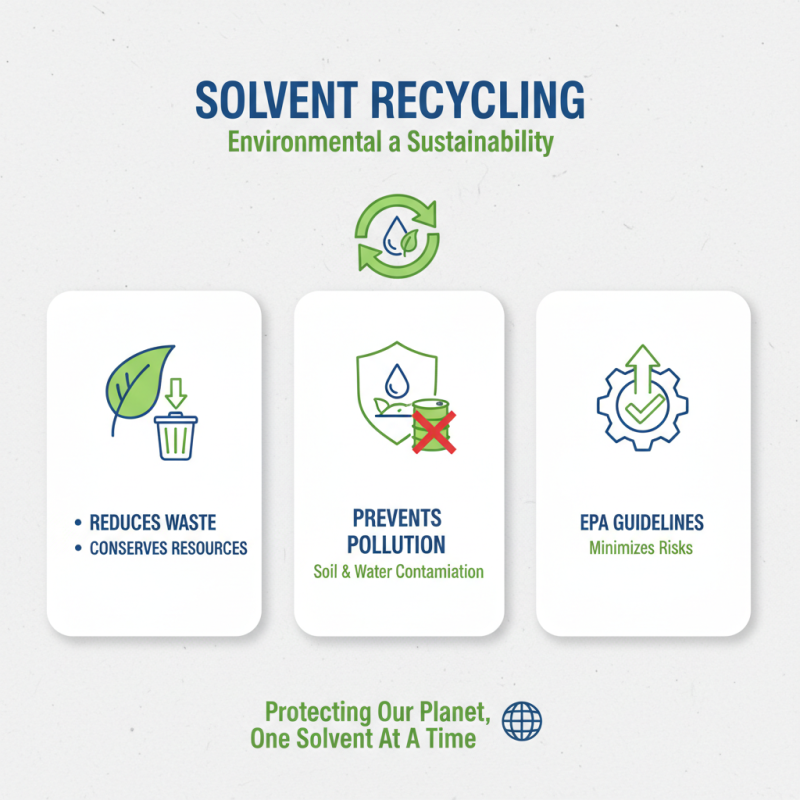
Solvent recycling plays a crucial role in promoting environmental sustainability. This practice reduces waste and conserves natural resources. According to the Environmental Protection Agency (EPA), improper disposal of solvents can lead to significant soil and water contamination. Implementing effective recycling methods can minimize these risks.
Many industries produce solvents as part of their processes. In fact, over 1.6 million tons of solvents are discarded annually in the U.S. alone. However, the potential for recycling is vast. A well-executed recycling program can recover up to 90% of solvent waste. This approach not only benefits the environment but also offers potential cost savings for businesses.
Despite the clear advantages, challenges remain. Not all solvents are suitable for recycling. Some may degrade during use, impacting quality. Additionally, the initial investment in recycling equipment can deter smaller companies. Ongoing education about the importance of solvent recovery is essential. As awareness grows, more organizations might embrace sustainable practices. But, there is still a long way to go.
Common Types of Solvents and Their Environmental Impact
Solvents play a crucial role in various industries, but they can significantly impact the environment. Common solvents include acetone, ethanol, and toluene. Each of these has different levels of volatility and toxicity. For example, acetone is less harmful compared to toluene, which can release harmful fumes into the air.
Understanding how these solvents behave is vital for creating effective recycling methods. Many solvents can be recovered and reused, reducing waste. However, not all recycling methods are equally effective. Some can leave behind residues or degrade the solvent's quality. This can lead to further environmental concerns.
Tips: Always look for green alternatives when possible. Consider using less harmful solvents that are easier to recycle. Regularly assess the effectiveness of your recycling methods. Engage with local programs to learn more and improve solvent management strategies. Continuous improvement is key to sustainability. Reducing reliance on harmful solvents can help lower environmental footprints while maintaining productivity.
Efficient Methods for Solvent Collection and Management
Efficient solvent collection and management play a crucial role in promoting environmental sustainability. Many industries rely on solvents, leading to substantial waste generation. A common approach is to implement closed-loop systems. These systems recycle solvents, reducing the need for new materials. However, they can be complex to set up and maintain.
Another effective method includes using solvent distillation. This process separates the solvent from contaminants, allowing for reuse. While it requires energy and time, the benefits often include significant cost savings. Many facilities overlook the importance of regular maintenance. Neglect can lead to inefficiencies and increased waste.
Training staff on proper solvent management is vital. Employees should know techniques for minimizing waste during processes. Simple actions, like proper storage and labeling, can make a big difference. However, challenges remain. Not all workers are aware of best practices. Continuous education is necessary for success in solvent recycling.
Innovative Technologies in Solvent Recycling Processes
In recent years, solvent recycling has gained attention for its role in environmental sustainability. Businesses are seeking innovative technologies to improve these processes. One approach involves using advanced membrane filtration systems. These systems can efficiently separate solvents from contaminants. It’s crucial to ensure that the purity of recycled solvents meets industry standards.
Another technology is supercritical fluid extraction. This method utilizes carbon dioxide under high pressure to extract solvents. It reduces waste and increases recycling efficiency. Yet, the initial setup cost can be high. There's a balance to strike between investment and long-term benefits.
A challenge remains in monitoring the effectiveness of these methods. Companies may need to adapt their practices continually. Experimentation is key to finding the best solution. Some organizations also overlook the importance of employee training in using these technologies effectively. It's vital to invest not just in tools but also in knowledge. The journey towards sustainable solvent recycling requires ongoing reflection and adjustment.
Case Studies of Successful Solvent Recycling Initiatives
Solvent recycling is gaining traction in various industries. Case studies highlight successful initiatives that emphasize environmental sustainability. For instance, a report from the Environmental Protection Agency shows that recycling solvents can reduce waste by up to 80%. This reduction significantly decreases pollution and conserves natural resources.
One notable initiative occurred in the automotive sector. A company implemented a closed-loop system for solvent usage, treating and reusing 95% of the solvents. This method not only cut disposal costs but also improved compliance with environmental regulations. However, challenges remain. Some companies struggle with initial setup costs and maintaining consistent quality standards.
These case studies reveal the need for continuous improvement. While many firms have adopted solvent recycling, ensuring the reliability of recycled products is crucial. The industry must address potential contamination risks and invest in better filtration technologies. Without these advancements, the full potential of solvent recycling may not be realized.