Best Superior Solvents and Chemicals for Every Application You Need
In various industries, the selection of appropriate solvents and chemicals is crucial for achieving optimal results in applications ranging from cleaning and extraction to formulation and production. The use of superior solvents and chemicals not only enhances efficiency but also ensures safety and sustainability in processes. Understanding the properties and functionalities of these substances is essential for making informed decisions that align with specific operational needs.
Superior solvents and chemicals are characterized by their efficacy, compatibility, and environmental impact. Whether in laboratory settings, manufacturing plants, or commercial applications, the right choice can significantly influence the outcome of projects and research. This article delves into the best superior solvents and chemicals available for diverse applications, highlighting their unique features and appropriate use cases, ultimately guiding users towards making educated selections that meet their specific requirements. By focusing on these high-quality substances, organizations can enhance performance while adhering to safety standards and environmental regulations.

Overview of Superior Solvents and Chemicals in Industry
In various industrial applications, the selection of superior solvents and chemicals plays a crucial role in enhancing efficiency and effectiveness. These substances serve as key components in processes such as extraction, purification, and formulation across sectors including pharmaceuticals, agriculture, and manufacturing. The ability of solvents to dissolve, disperse, or extract other materials is vital for achieving optimal results in product development and quality control.
For instance, solvents used in the manufacturing of paints and coatings must not only dissolve the resin but also provide appropriate evaporation rates and application characteristics.
Moreover, the selection of chemicals in industrial applications extends beyond mere functionality; it involves consideration of safety, environmental impact, and regulatory compliance. Industries are increasingly gravitating towards greener alternatives that minimize hazardous effects while maintaining performance standards. Solvents derived from renewable resources and those designed to reduce volatile organic compounds (VOCs) are gaining traction.
By optimizing the choice of solvents and chemicals, companies can enhance operational efficiency, reduce costs, and contribute to sustainable practices, making a significant impact in their respective fields.
Types of Solvents and Their Applications Across Various Industries
Solvents play a crucial role in various industries, serving to dissolve, extract, and transport substances. Depending on their chemical properties, solvents can be categorized into polar, non-polar, protic, and aprotic types, each with distinct applications. For instance, polar solvents like water and ethanol are commonly used in pharmaceuticals and cosmetics for their ability to dissolve ionic and polar compounds. In contrast, non-polar solvents such as hexane and toluene are preferred in the extraction processes within the food and oil industries, efficiently dissolving fats and oils.
When selecting a solvent for a specific application, it is essential to consider factors such as solubility, volatility, and environmental impact. For example, water-based solvents are often favored for their safety and environmental friendliness, while solvents with higher volatility may be needed for fast drying in coatings and paints.
Tips: Always wear appropriate personal protective equipment (PPE) when handling solvents, regardless of their safety profile. Additionally, be aware of local regulations regarding solvent disposal and emissions to ensure compliance and safety. Understanding the compatibility of the chosen solvent with other materials in your process can also prevent unwanted reactions or material degradation.
Best Superior Solvents and Chemicals for Every Application You Need
| Solvent/Chemical |
Type |
Applications |
Industry |
| Acetone |
Ketone |
Solvent for paints, varnishes, and adhesives |
Manufacturing |
| Ethanol |
Alcohol |
Sanitizers, solvents, and extraction processes |
Pharmaceutical |
| Toluene |
Aromatic Hydrocarbon |
Thinning paints, adhesives, and chemical reactions |
Chemical |
| Hexane |
Aliphatic Hydrocarbon |
Oil extraction and degreasing agent |
Food |
| Chloroform |
Halogenated Hydrocarbon |
Solvent for alkaloids and analytical chemistry |
Laboratory |
| Ethyl Acetate |
Ester |
Solvent in coatings and adhesives |
Coatings |
| Methanol |
Alcohol |
Solvent for chemical reactions and fuel |
Energy |
Criteria for Selecting the Best Solvents and Chemicals
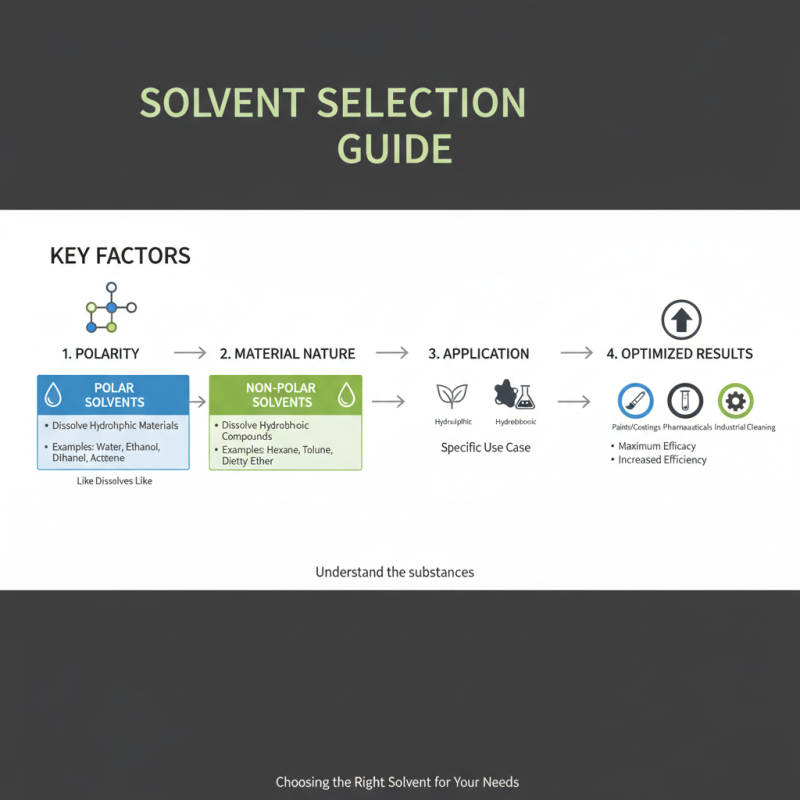
When selecting the best solvents and chemicals for various applications, it’s crucial to consider several key factors. First, the solvent's polarity is important, as it determines how well it can dissolve different substances. Polar solvents are typically used for hydrophilic materials, while non-polar solvents are preferred for hydrophobic compounds. Understanding the nature of the materials involved will help in making the right choice, ensuring maximum efficacy and efficiency in your specific application.
Another vital criterion is the solvent's volatility and boiling point. Low-boiling solvents may evaporate too quickly, making them unsuitable for processes requiring extended contact time. Conversely, solvents with high boiling points could be less effective in applications needing rapid evaporation. Additionally, environmental impact and safety should not be overlooked; selecting solvents that have minimal harmful effects on health and the environment aligns with sustainable practices. By weighing these factors, one can make informed decisions, leading to optimal results in any given application.
Safety Considerations When Using Industrial Solvents and Chemicals
When working with industrial solvents and chemicals, safety should always be your top priority. Understanding the potential hazards associated with these substances is essential for ensuring a safe working environment. Proper labeling, handling, and storage of solvents are crucial steps in minimizing risks. Always read and follow the Safety Data Sheets (SDS) provided for each chemical, as they contain vital information regarding the properties and hazards of the materials you are using.
Tips for enhanced safety include wearing appropriate personal protective equipment (PPE) such as gloves, goggles, and respirators when necessary. Ensure that your workspace is well-ventilated to prevent the buildup of harmful vapors. Furthermore, it's essential to keep a spill kit handy in case of accidental releases; this preparedness can help manage situations quickly and effectively. Regular training for employees about the safe use of chemicals and protocols for emergencies is also a vital component of workplace safety.
Moreover, always dispose of solvents and chemicals according to local regulations to avoid environmental contamination. Using grounded containers for transferring flammable solvents can reduce the risk of fire hazards. By incorporating these safety practices into your use of solvents and chemicals, you can protect both yourself and your environment while efficiently accomplishing your tasks.
Best Superior Solvents and Chemicals Usage Overview
This chart displays the toxicity levels of various commonly used solvents, providing safety considerations when selecting appropriate chemicals for industrial applications. Lower values indicate lesser toxicity, making them safer options for general use.
Future Trends in Solvent and Chemical Innovation for Applications
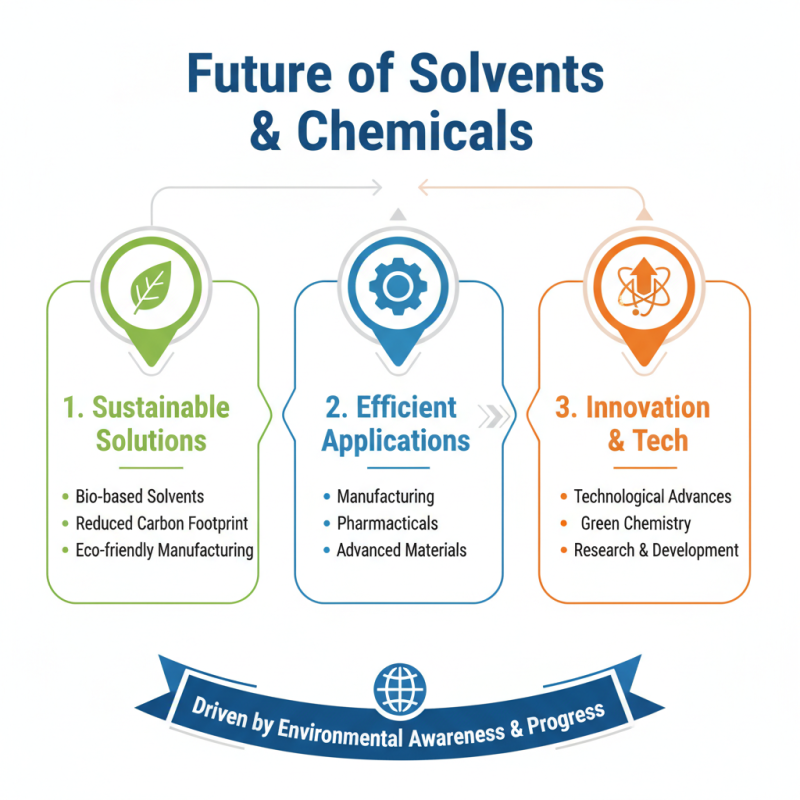
As industries evolve, the importance of innovative solvents and chemicals becomes increasingly evident. Future trends indicate a push towards more sustainable and efficient solutions that cater to various applications, from manufacturing to pharmaceuticals. This shift is driven by advances in technology and a growing awareness of environmental concerns. Emphasis on bio-based solvents, for instance, reflects a commitment to reducing the carbon footprint associated with traditional petrochemical products.
Tips for selecting the right solvent include evaluating its environmental impact, efficiency, and compatibility with existing systems. Understanding the application requirements is crucial, as some processes may benefit from specialized solvents that enhance performance while minimizing hazardous waste.
Another key trend is the development of smart chemicals that respond to environmental changes, enhancing precision in processes. This innovation not only improves functionality but also opens the door to new applications across different sectors. Keeping abreast of these advancements can provide significant competitive advantages in an ever-evolving market landscape.