Top 5 Chemical Blending Tips for Global Buyers?
In the dynamic world of chemical blending, global buyers face unique challenges. The chemical blending market is projected to reach $60 billion by 2025, illustrating its immense value. However, buyers often encounter hurdles such as quality control, supply chain disruptions, and varying regulatory standards across regions. Understanding these complexities is crucial for success.
Effective chemical blending requires precise techniques and strategic partnerships. According to industry reports, 70% of blending failures stem from inadequate processes. Buyers must remain vigilant about selecting reliable suppliers who prioritize quality. Recognizing the importance of testing and verification can mitigate risks during production.
With continuous advancements in technology, the chemical blending landscape is evolving. Emphasizing best practices can lead to greater efficiency and cost savings. Yet, it is essential for buyers to reflect on past mistakes and learn from them. By adopting a proactive approach, they can navigate this intricate field and achieve sustainable growth in their operations.

Understanding the Basics of Chemical Blending for Global Buyers
Chemical blending is vital for global buyers. It involves combining various chemicals to create products suited for specific applications. According to a recent report by MarketsandMarkets, the global chemical blending market is projected to reach $127.32 billion by 2027. This growth indicates its importance in industries like pharmaceuticals, agriculture, and cosmetics.
When blending chemicals, understanding the properties of each component is crucial. This knowledge affects product performance. For instance, viscosity and pH levels must align for optimal results. Buyers should prioritize compatibility between ingredients to enhance the final product’s efficacy.
Tip: Always conduct small-scale tests before large-scale blending. This approach helps identify potential issues early, saving time and resources. Quality control should be part of the blending process. Regular checks ensure that standards are met. Failing to monitor these factors can lead to subpar products, undermining a company’s credibility.
Additionally, price fluctuations in raw materials can impact blending decisions. Being aware of market trends aids in strategic purchasing. Buyers should also consider sustainability. As regulations increase, opting for eco-friendly chemicals can offer a competitive advantage. Balancing cost and environmental impact is essential for long-term success in the market.
Key Considerations for Selecting Reliable Suppliers in Chemical Blending
Selecting reliable suppliers in chemical blending is crucial for global buyers. It's essential to assess suppliers based on their experience. Years in the industry often indicate a deeper understanding of blending processes. Look for those with a proven track record. Additionally, consider their manufacturing capabilities. Facilities should meet strict quality standards. Ask for certifications that confirm their adherence to safety and regulatory guidelines.
Communication is another important factor. Transparency in processes builds trust. Suppliers should provide clear timelines and updates about production. Don’t hesitate to inquire about sourcing practices. Sustainable sourcing reflects a supplier's commitment to ethical standards. Consider visiting facilities if possible. Observing operations can offer insights into their reliability. This experience can be enlightening, sometimes revealing gaps in their practices.
Building a rapport is beneficial, but ensure it doesn't cloud judgment. Relying solely on relationships can be risky. Performance history and ongoing performance metrics should weigh heavily in your decision. Conduct regular evaluations to ensure standards remain high. Rethink your choices if suppliers fall short. These steps help mitigate risks in chemical blending and ensure quality.
Top 5 Chemical Blending Considerations for Global Buyers
Best Practices for Quality Control in Chemical Blending Processes
Quality control is essential in chemical blending. Every step must be carefully monitored. Accurate measurements and consistent procedures matter greatly. Small deviations can lead to significant issues. It is crucial to use calibrated equipment to ensure accuracy. Regular checks on mixers and blending tanks can prevent problems.
Visual inspections add value. Inspect the texture and color of blends. Deviations might signal issues with raw materials. Ensure all personnel undergo training. Knowledgeable staff can spot irregularities early. This proactive approach saves time and resources. Testing samples during blending is vital. It confirms that the chemistry meets specifications.
Documentation also plays a role in quality control. Keep detailed records of each blending process. This adds a layer of accountability. Review these records regularly to identify any trends or patterns. Reflect on any inconsistencies noted. Continuous improvement is the goal. Strive for better processes without compromising safety or quality.
Top 5 Chemical Blending Tips for Global Buyers
| Tip |
Description |
Impact on Quality |
Recommended Tools |
| Standardized Procedures |
Implementing comprehensive blending protocols to ensure consistency. |
Reduces variability in product quality. |
SOP Manuals, Quality Checklists |
| Regular Equipment Calibration |
Ensuring all blending equipment is regularly calibrated for accuracy. |
Maintains product specifications. |
Calibration Tools, Logs |
| Batch Tracking |
Implementing batch tracking for all raw materials and final products. |
Facilitates quick recall and traceability. |
ERP Systems, Tracking Software |
| Quality Control Testing |
Conducting routine testing of input materials and blended products. |
Ensures compliance with safety and quality standards. |
Testing Kits, Lab Equipment |
| Employee Training |
Regular training programs for staff on blending practices. |
Improves operational efficiency and reduces errors. |
Training Modules, Workshops |
Navigating Regulations and Compliance in Global Chemical Blending
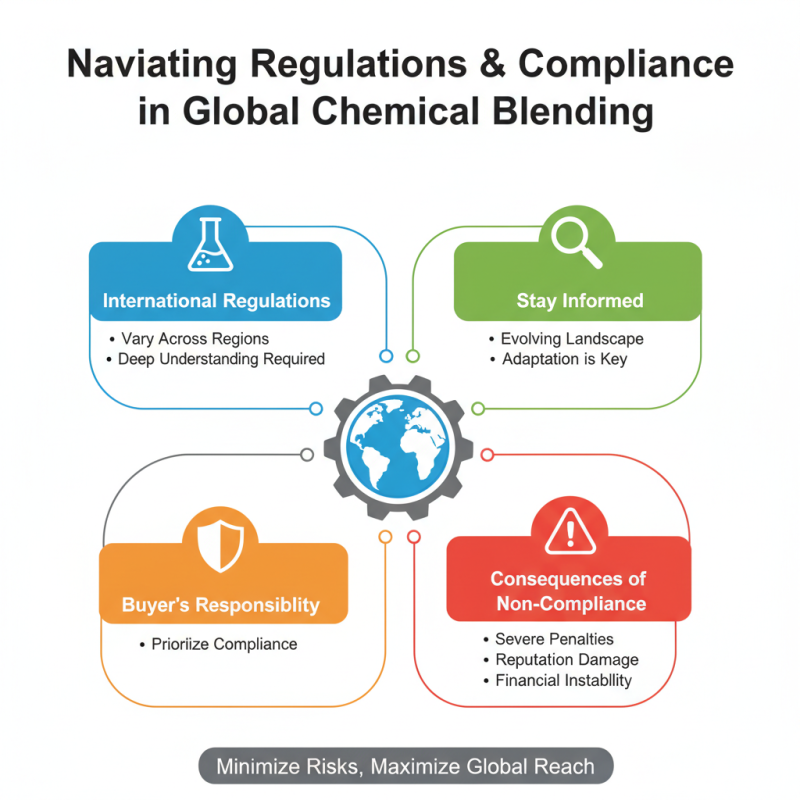
When navigating the complex world of global chemical blending, one must prioritize compliance with international regulations. These rules vary significantly across regions, often requiring deep understanding and adaptation. Buyers must stay informed about the evolving regulatory landscape. Non-compliance can lead to severe penalties, affecting both reputation and financial stability.
The process begins with assessing local regulations. This includes safety standards, environmental impact, and chemical classification. Collaborating with experts in regulatory compliance can provide invaluable insights. Utilizing services that specialize in documentation can streamline approvals. However, relying solely on outside help can sometimes lead to oversight in understanding nuances.
Effective record-keeping is essential. Each blend should have comprehensive documentation. Accurate data helps in audits and prevents costly mistakes. It’s common to overlook this detail in the rush to market. Regular training sessions for employees can mitigate these risks. Even experienced teams occasionally miss updates in regulations. A proactive approach is vital for sustained compliance and success in global chemical blending.
Strategies for Cost-Effective Chemical Blending Sourcing and Logistics
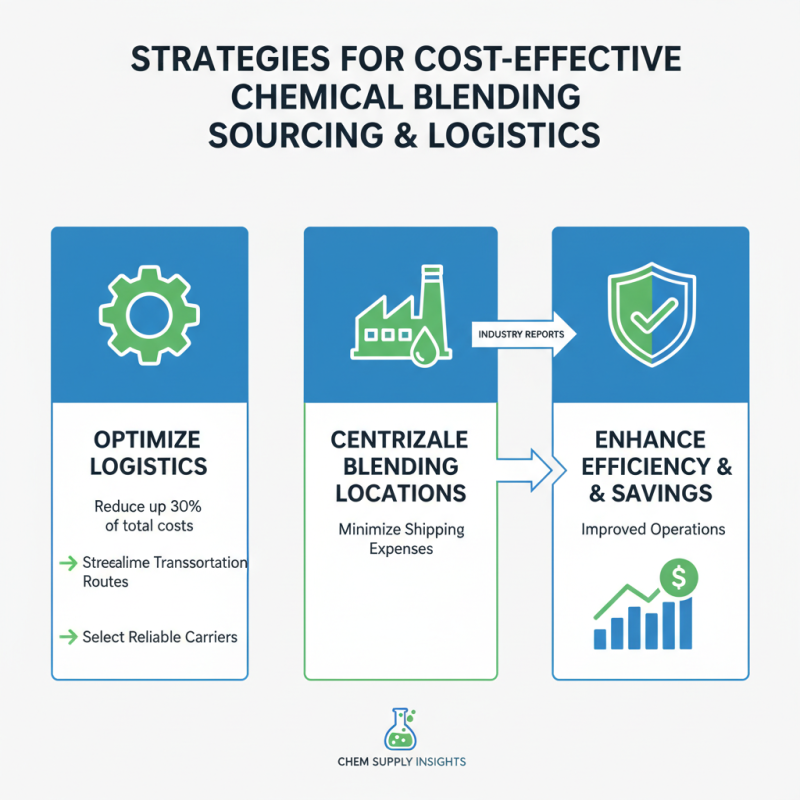
When considering chemical blending sourcing, cost-effectiveness can significantly impact overall operations. Recent industry reports indicate that logistics account for up to 30% of total costs in chemical supply chains. By optimizing logistics strategies, buyers can reduce costs and enhance efficiency. Streamlining transportation routes and selecting reliable carriers are crucial steps. Centralizing blending locations can also minimize shipping expenses.
Investing in technology for real-time inventory management is vital. These systems improve visibility and reduce waste. A survey found that companies using such technology reduced stockouts by 50%. However, not every buyer invests in advanced solutions. Many still rely on outdated methods. This reliance can lead to inefficiencies, making it essential to adopt new practices for long-term savings.
Collaboration with suppliers is crucial to gaining cost advantages. Building strong relationships fosters negotiation leverage for better pricing. However, not all partnerships yield favorable terms, emphasizing the need for careful supplier assessment. This balance between collaboration and strategic sourcing can create a more resilient and cost-effective blending operation. A proactive approach to supplier management may prevent pitfalls and enhance competitiveness in a volatile market.