Why Are Chemical Plant Jobs in High Demand and How to Get One
The demand for chemical plant jobs has surged in recent years, driven by the relentless advancement of technology and the growing need for specialized products across various industries. As economies expand and the focus on sustainable practices increases, chemical plants are at the forefront of innovation, making them key players in the job market. This has led to a notable rise in opportunities for those looking to enter this field.
To tap into the high potential of chemical plant jobs, aspiring candidates must understand the qualifications and skills necessary to thrive in this dynamic environment. This includes a strong educational background in chemistry or engineering, hands-on experience through internships, and an aptitude for problem-solving. Moreover, networking within the industry and staying updated on technological advancements can significantly enhance employment prospects.
As the landscape of chemical manufacturing evolves, the importance of attracting a skilled workforce cannot be overstated. For job seekers, embracing this trend not only opens the door to a fulfilling career but also contributes to the larger goal of innovation and sustainability in the chemical sector.

Understanding the Growing Demand for Chemical Plant Jobs
The demand for chemical plant jobs is experiencing significant growth due to several interrelated factors. As industries increasingly focus on sustainability and efficiency, there is a continual need for skilled professionals who can operate, maintain, and improve chemical processes. Additionally, advancements in technology are driving innovation in the chemicals sector, resulting in new production methods and the development of green chemicals, which require a workforce equipped with relevant expertise. The need for a diverse range of chemical products—from pharmaceuticals to agricultural chemicals—also fuels job opportunities in this sector.
Moreover, the aging workforce within the chemical industry amplifies the demand for new talent. Many experienced workers are reaching retirement age, creating a gap that needs to be filled by a new generation of professionals. Educational and training programs aimed at developing skills in chemical engineering, safety protocols, and environmental regulations are vital in addressing this workforce shortage. By entering these programs, aspiring individuals can position themselves to take advantage of the numerous opportunities available in chemical plants, which not only offer competitive salaries but also career advancement prospects in a rapidly evolving industry.
Growing Demand for Chemical Plant Jobs
This chart illustrates the increasing demand for chemical plant jobs over the years. From 2020 to 2024, the job demand is projected to rise significantly, indicating a growing need for skilled professionals in the chemical industry.
Key Factors Driving Employment Opportunities in the Chemical Industry
The demand for jobs in the chemical industry is surging due to several key factors driving employment opportunities. According to a report by the U.S. Bureau of Labor Statistics, employment in the chemical manufacturing sector is projected to grow by 3% from 2021 to 2031, adding approximately 12,800 new jobs. This growth can be attributed to the increasing need for innovative chemicals, sustainable production methods, and advancements in technology. As companies strive to reduce their environmental impact, they are investing in greener technologies, which creates an array of new roles.
Another significant factor is the ongoing workforce shortages in the sector. As experienced professionals retire, there is a pressing need to fill their positions with qualified candidates. The American Chemical Society reported that approximately 50% of the workforce is nearing retirement age, leading to a substantial demand for new talent. Additionally, the expansion of chemical plants to meet the growing global demand for products such as pharmaceuticals and specialty chemicals further enhances job opportunities.
Tips for securing a job in this competitive field include pursuing relevant educational qualifications, such as a degree in chemical engineering or chemistry, and gaining practical experience through internships. Networking with professionals in the industry can also provide valuable insights and connections that lead to job openings. Staying updated with the latest advancements and trends in the chemical sector will make candidates more attractive to potential employers.
Essential Skills and Qualifications for Aspiring Chemical Plant Workers
To succeed in the high-demand field of chemical plant jobs, aspiring workers must possess a specific set of skills and qualifications. First and foremost, a solid educational background in chemistry, engineering, or a related field is essential. Many employers prefer candidates with at least an associate degree or higher, as this foundational knowledge provides an understanding of chemical processes and safety protocols. In addition to formal education, practical experience through internships or co-op programs can significantly enhance a candidate's appeal, offering hands-on training in real-world environments.
Beyond educational qualifications, certain technical skills are vital in this industry. Proficiency in operating machinery, understanding laboratory equipment, and familiarity with safety regulations are crucial for everyday tasks. Aspiring workers should also develop strong problem-solving abilities and attention to detail, as these skills enable individuals to troubleshoot issues and ensure accurate results in chemical production. Moreover, possessing excellent communication skills facilitates collaboration within teams and ensures that safety procedures are clearly understood and followed. By honing these essential skills and gaining relevant qualifications, candidates can significantly increase their chances of securing a rewarding position in a chemical plant.
Why Are Chemical Plant Jobs in High Demand and How to Get One - Essential Skills and Qualifications for Aspiring Chemical Plant Workers
| Skill/Qualification |
Importance |
Average Salary (USD) |
Required Education |
| Process Engineering |
High |
$80,000 |
Bachelor's in Chemical Engineering |
| Safety Management |
High |
$70,000 |
Bachelor's in Occupational Safety |
| Quality Control |
Medium |
$65,000 |
Bachelor's in Chemistry |
| Troubleshooting Skills |
High |
$60,000 |
Associate's or Technical Certification |
| Regulatory Compliance |
High |
$75,000 |
Bachelor's in Environmental Science |
Steps to Successfully Apply for a Job in a Chemical Plant
Applying for a job in a chemical plant requires a strategic approach to stand out in a competitive job market.
First, it's essential to understand the qualifications needed. Most positions require specific educational backgrounds, often in chemistry, chemical engineering, or related fields.
Candidates should focus on obtaining any necessary certifications or licenses that are relevant to the industry.
Additionally, gaining practical experience through internships or co-op programs in a chemical processing environment can significantly enhance your resume.
Once equipped with the right qualifications, the next step is to tailor your application materials.
This means crafting a targeted resume and cover letter that highlight your experience and skills directly related to the chemical sector.
Use industry-specific terminology to demonstrate your knowledge and familiarity with the field.
When applying online, be sure to track your applications and follow up respectfully with hiring managers.
Networking can also play a crucial role; attending industry events and joining professional organizations can provide valuable connections that may lead to job opportunities.
Ensure you are prepared for interviews by researching the company, understanding its operations, and being ready to discuss how your background fits its needs.
Future Trends in the Chemical Industry and Job Market Outlook
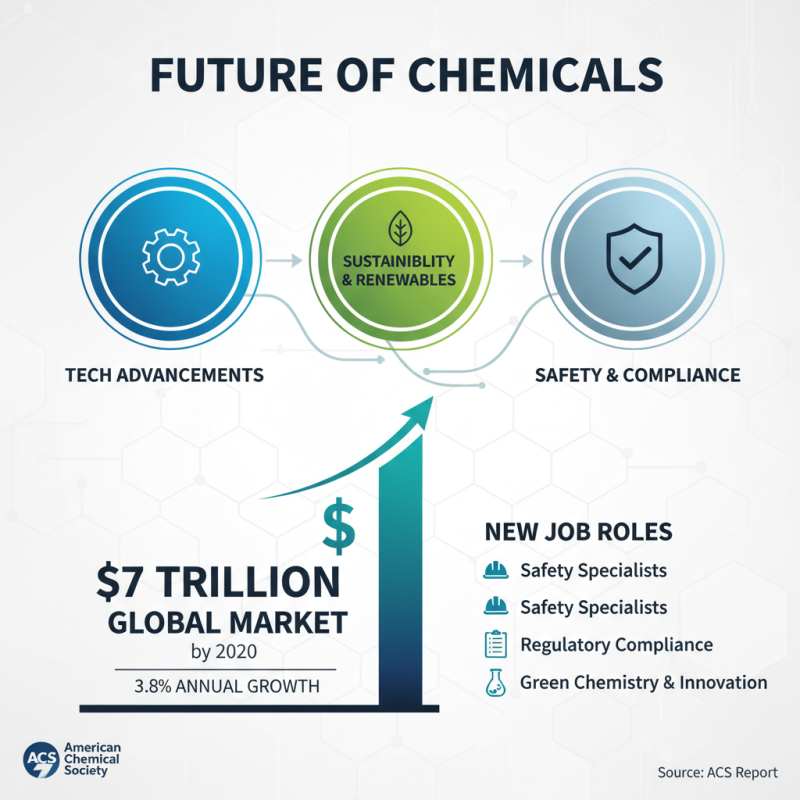
The chemical industry is witnessing profound transformations driven by technological advancements, sustainability initiatives, and a growing emphasis on renewable resources. According to the latest report from the American Chemical Society, the global chemical market is projected to reach $7 trillion by 2030, reflecting an annual growth rate of 3.8%. This expansion not only signifies robust demand for chemical products but also suggests a diverse range of job opportunities in the sector. As companies adapt to new environmental regulations and invest in innovative manufacturing processes, roles focused on safety, compliance, and green chemistry are becoming increasingly vital.
To thrive in this evolving landscape, job seekers should prioritize gaining skills in automation, data analysis, and environmental science. Emphasizing interdisciplinary knowledge, such as a background in engineering coupled with an understanding of sustainability practices, can greatly enhance employability. Networking within industry groups and participating in workshops can provide insights into emerging trends and job openings.
Tips:
- Stay updated on industry research and advancements through professional publications and webinars.
- Seek internship opportunities within chemical plants to gain hands-on experience and make valuable connections.
- When applying for jobs, tailor your resume to highlight relevant skills and experiences that align with the specific requirements of the role.