How to Choose Compact Excavator Cylinders for Your Needs?
Choosing the right Compact Excavator Cylinders can significantly impact your machinery's performance. Industry expert John Harrison emphasizes this importance by stating, "The right cylinder determines the success of every digging task." With a range of options available, making an informed choice is essential.
Compact Excavator Cylinders play a crucial role in the efficiency of excavators. Their size and design affect how effectively your machine can operate at various job sites. Understanding the specifications and features of these cylinders is vital. Are you considering durability or weight? Each choice has implications for performance and longevity.
The decision process isn't always straightforward. Many users overlook critical factors, leading to misalignments and inefficiencies. Reflecting on customer feedback, it's clear that a tailored approach is necessary. In the competitive landscape of compact excavators, selecting the right cylinders enhances productivity but requires careful consideration of individual needs and equipment compatibility.
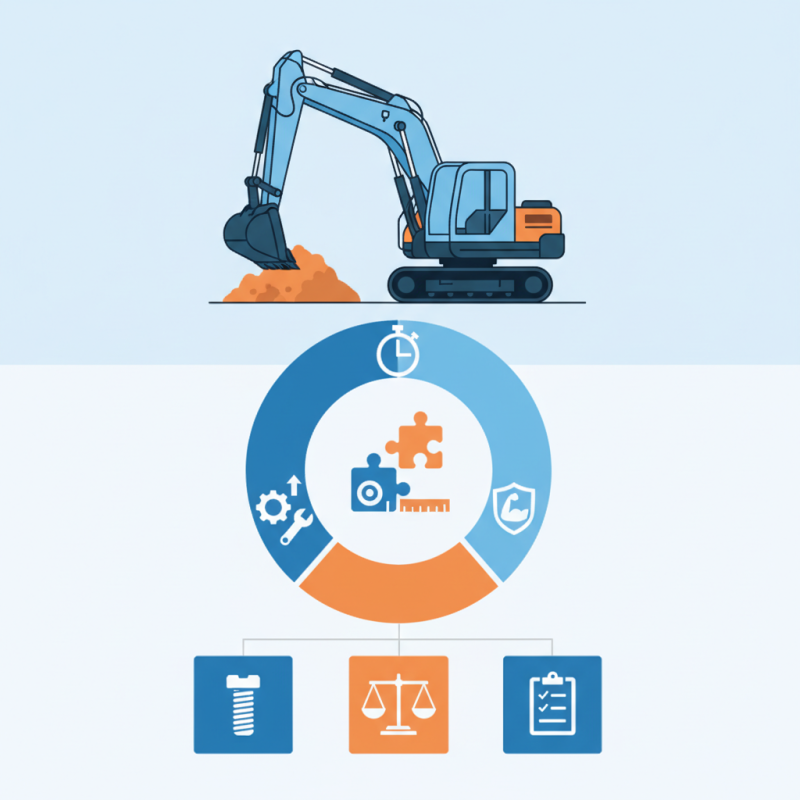
Understanding the Basics of Compact Excavator Cylinders
When choosing compact excavator cylinders, understanding their basics is crucial. These cylinders provide the power necessary for various tasks. They control the boom, arm, and bucket movements. This enables the machine to perform intricate operations, from digging to lifting. Selecting the right cylinder affects performance and efficiency significantly.
Cylinder size, stroke length, and pressure ratings are essential factors. A larger diameter offers more power but can affect maneuverability. Think about the type of tasks you'll perform. Will you need precise control, or is sheer power your priority? The right balance can be challenging to find. Don’t forget about the material and seal types either. They impact durability and maintenance needs.
Consider the environment where the excavator will operate. Extreme temperatures or heavy dust can wear down components quickly. Reflect on previous experiences; any mismatched cylinder could lead to costly repairs. Understanding these basic concepts equips you with the knowledge to make informed decisions about your compact excavator cylinder needs.
How to Choose Compact Excavator Cylinders for Your Needs?
| Cylinder Type | Bore Size (inches) | Stroke Length (inches) | Max Pressure (psi) | Weight (lbs) |
| Double Acting | 2.5 | 12 | 3000 | 25 |
| Single Acting | 3.0 | 15 | 2500 | 30 |
| Telescopic | 4.0 | 20 | 3500 | 45 |
| Custom Built | 3.5 | 18 | 4000 | 35 |
Identifying Your Specific Excavator Requirements
When selecting compact excavator cylinders, understanding your specific requirements is crucial. Consider the tasks you will perform. Will you lift heavy materials or dig narrow trenches? Each task demands different cylinder specifications for optimal performance.
Next, assess the weight capacity of your excavator. This plays a vital role in choosing the right cylinder. A heavier load requires a stronger cylinder. However, a mismatch can lead to mechanical failure or reduced efficiency. What's your machine's current capacity? Reflect on whether it's sufficient for your needs.
Another factor to consider is the working environment. Will you operate in tight spaces or uneven terrain? These conditions influence the type of cylinder you should select. Cylinder length and stroke can vary based on these elements. Ensure the design accommodates your specific challenges. It’s essential to balance these requirements effectively. Miscalculating can lead to costly mistakes or inefficient operations. Always weigh your options carefully and seek advice if needed.
Evaluating Cylinder Specifications and Performance Metrics
When choosing compact excavator cylinders, evaluating specifications and performance metrics is crucial. A study by the Equipment Dealers Association shows that optimal cylinder design can increase machine efficiency by up to 35%. Key specifications include stroke length, bore size, and pressure ratings. These factors impact the excavator’s overall performance and ability to handle different tasks.
Tips: Always consider compatibility with your existing equipment. Look for cylinders that offer reliable sealing systems. This can improve longevity and reduce maintenance costs.
Performance metrics such as cycle times and lift capacity should not be overlooked. Cylinders with a high lift capacity will enable your excavator to perform heavier tasks efficiently. Reports indicate that equipment downtime can lead to losses of over $1,500 per day. Ensuring your cylinders meet the necessary performance metrics can minimize these risks.
Tips: Compare hydraulic fluid types for optimal performance. Different fluids can affect the power delivery and efficiency of the cylinders. Regularly reviewing and updating your choice of cylinders based on emerging technologies is wise. This boosts performance and maintains safety standards.
Comparing Different Brands and Models of Excavator Cylinders
When selecting compact excavator cylinders, understanding the differences among various brands and models is essential. Each brand tends to offer unique features that can significantly impact performance and reliability. Evaluating these characteristics can help you make an informed choice. Look for specifications such as cylinder size, stroke length, and material quality. These factors influence the overall efficiency and lifespan of the excavator.
Considering user reviews can provide insight into real-world performance. Users often share their experiences concerning durability and ease of installation. However, don’t solely rely on these opinions; performance can vary based on specific project needs. Some models may excel in certain conditions but falter in others. For example, a model may work well in muddy terrains but underperform in rocky environments.
Understand what you truly need from an excavator cylinder. Do you prioritize lifting power, speed, or precision? Highlighting these factors can help narrow your options. Also, think about maintenance requirements. Some cylinders demand more upkeep than others. Reflect on your team's capabilities and resources. Balancing quality with practicality is key to making the right choice.
Maintenance Considerations for Compact Excavator Cylinders
Maintaining compact excavator cylinders requires diligent attention and specialized knowledge. Regular maintenance can enhance performance and longevity. It's essential to clean the cylinders frequently, as dirt buildup can lead to failures. According to industry reports, 30% of hydraulic cylinder failures stem from contamination.
Inspect seals for any signs of wear or damage. Worn seals can lead to leaks, which compromise efficiency. A study showed that proactive seal replacement can cut repair costs by 15%. Don't overlook oil quality; using the right hydraulic fluid helps minimize wear.
Tip: Schedule routine inspections every 200 hours of operation. Early detection of issues can save significant repair costs later. Monitor the temperature of the hydraulic fluid; overheating can damage components.
Additionally, operators should be aware of any unusual noises during operation. These can indicate potential problems needing immediate attention. Keeping a maintenance log helps track performance and issues over time. Proper maintenance not only keeps cylinders functioning well but also enhances safety on job sites.