How to Choose SDIC Disinfectant for Global Buyers
Choosing the right SDIC Disinfectant requires more than comparing prices or chlorine percentages. Global buyers must examine product quality, intended use, documentation, and local compliance requirements. SDIC usually refers to sodium dichloroisocyanurate, a chlorine-based disinfectant supplied as tablets, granules, or powder. Each form behaves differently during storage, dosing, and dissolution. Small details matter. A tablet that dissolves slowly may suit controlled dosing, while granules may work better for larger water-treatment operations. Buyers should request a current Certificate of Analysis, Safety Data Sheet, batch number, and clear product specifications. These records help verify available chlorine, moisture, appearance, packaging, and shelf life. The supplier’s production experience also deserves attention. A polished website is not enough.
Application conditions can change the purchasing decision. Water hardness, temperature, organic contamination, contact time, and dosing equipment all affect performance. A product suitable for swimming pools may not fit drinking-water treatment or industrial sanitation. The label matters. Buyers should confirm whether the product is approved or registered for the intended market and use. They should also review transport requirements and packaging resistance, especially in humid climates. Price can mislead. Low-cost material may create higher expenses through unstable quality, damaged cartons, or inconsistent dosing. No checklist is perfect. Even experienced purchasers can overlook storage conditions or translation issues on labels. For reliable sourcing, compare samples, test them under realistic conditions, and communicate with a qualified supplier before signing a long-term contract. This practical approach supports safer decisions, clearer accountability, and more dependable international procurement.
SDIC Disinfectant: Definition, Forms, and Main Applications
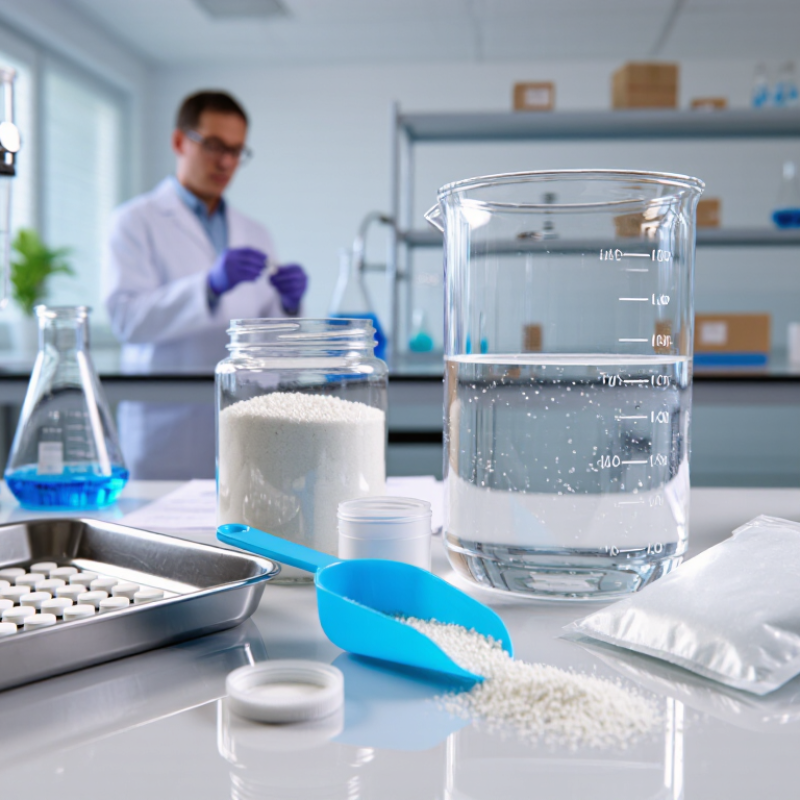
SDIC disinfectant means sodium dichloroisocyanurate, a chlorine-releasing compound used for water and surface hygiene. It is available as tablets, granules, and powder. Tablets dissolve slowly, making them practical for storage tanks and routine dosing. Granules and powder dissolve faster, but they demand careful weighing and mixing. SDIC releases available chlorine, which reacts with microorganisms and reduces contamination when concentration and contact time are controlled.
Its applications include drinking-water treatment, swimming pools, food-contact surfaces, healthcare areas, and emergency sanitation. The WHO Guidelines for Drinking-water Quality commonly reference a free chlorine residual of 0.2–0.5 mg/L at the point of delivery. Meanwhile, the WHO/UNICEF Joint Monitoring Programme reported that 2.2 billion people lacked safely managed drinking water in 2022. These figures show why stable, transportable disinfectants still matter. However, SDIC is not a universal solution. Organic matter, high water temperature, pH, and poor mixing can weaken performance. A practical field mistake is choosing a tablet by size alone. Its available-chlorine percentage matters more.
Tips: Confirm the active-chlorine content, intended application, dissolution speed, packaging, and safety documentation. Use test strips or validated instruments after dosing. Follow the supplier’s label and local requirements. Keep the product dry, separated from acids, and away from heat. A small pilot test is wise, especially for fabrics, metals, or drinking-water systems.
SDIC Disinfectant: Theoretical Available Chlorine by Chemical Form
Sodium dichloroisocyanurate (SDIC) is commonly supplied in anhydrous and dihydrate forms. The theoretical available chlorine content is calculated from each form’s molecular formula: anhydrous SDIC contains approximately 64.5%, while SDIC dihydrate contains approximately 55.4%. Tablets and granules are physical formats, so buyers should confirm the chemical form and available chlorine content on the product specification or certificate of analysis.
Calculation basis: available chlorine is expressed as the equivalent mass percentage of Cl₂. Actual commercial values may be lower than theoretical values because of purity, moisture, stabilizers, and manufacturing specifications.
Key Factors Global Buyers Should Assess Before Purchasing SDIC
Global buyers should assess SDIC beyond the quoted price. Sodium dichloroisocyanurate releases available chlorine, so assay matters. Ask for recent certificates showing available chlorine, moisture, pH, and insoluble residue. Testing by an ISO/IEC 17025-accredited laboratory adds credibility. A neat label is not enough. WHO’s 2022 Guidelines for Drinking-water Quality recommend at least 0.2 mg/L free chlorine at delivery under normal conditions. That figure is not a universal dosing instruction. Water temperature, pH, organic load, and contact time can change performance.
Product form and handling deserve practical checks. Tablets may support controlled dosing, while granules can dissolve faster. However, granules may create uneven concentration. Run a small test with your actual water. Measure dissolution time and residual chlorine after 30 minutes. It is unglamorous. It matters. Request stability data under heat and humidity. Packaging should resist moisture and show clear lot traceability. An opened bag can degrade quickly in a humid warehouse.
Documentation and supply resilience also affect purchasing risk. Verify the safety data sheet, certificate of analysis, technical data sheet, and origin records. The UN Recommendations on the Transport of Dangerous Goods stress suitable classification, packaging, and shipping documentation. Check whether product claims fit local drinking-water, pool, or industrial-use rules. Regulations differ widely. Compare landed cost, including freight, customs, testing, and rejected batches. Industry forecasts may show market growth, but forecasts are not proof of quality. No supplier has perfect batches. A transparent response to one failed result can reveal more than polished marketing.
How to Compare SDIC Purity, Formulation, Packaging, and Shelf Life
Global buyers should compare SDIC by available chlorine, not only by the stated purity. Commercial SDIC commonly contains about 55–60% available chlorine in dihydrate form and about 60–65% in anhydrous form. Always request a recent certificate of analysis, including active content, moisture, insoluble matter, and pH. A “99% purity” claim can mislead if the formulation releases less available chlorine. Check the calculation basis carefully. Small wording differences matter.
Formulation affects handling and dissolution. Granules dissolve faster than large tablets, while compressed tablets may support slower, steadier dosing. The correct choice depends on water temperature, contact time, and dosing equipment. WHO’s Guidelines for Drinking-water Quality state that effective chlorination commonly requires 0.5 mg/L free chlorine after 30 minutes at pH below 8. Field conditions can differ. That target is not a substitute for testing. The WHO report also stresses maintaining at least 0.2 mg/L throughout distribution.
Packaging deserves equal attention. Moisture-resistant inner bags, sealed drums, and intact outer cartons reduce decomposition during sea transport. Ask for packaging photos and pallet details. Shelf life is often 24 months under cool, dry storage, but heat and humidity can shorten it. The US EPA Drinking Water Treatability Database emphasizes verifying disinfectant performance under actual water conditions. A longer shelf-life statement is not automatically better. I would inspect production dates, storage records, and retained samples before approving a shipment. My own comparison method is still imperfect; supplier documents need independent verification, especially when prices look unusually attractive.
Regulatory, Safety, and Transport Requirements for International Buyers
Global buyers should evaluate SDIC disinfectant beyond concentration and price. The correct product must fit the destination country’s chemical, biocidal, and workplace rules. Requirements vary. Before ordering, request the current SDS, certificate of analysis, product specification, and batch traceability record. Check active chlorine levels, formulation, impurities, packaging language, and intended application. A document copied from an old shipment is not reliable evidence. Ask a qualified regulatory consultant or importer to confirm registration duties before payment.
Safety reviews should match real handling conditions. SDIC can release hazardous gases when mixed with acids, ammonia, or incompatible cleaners. Keep it dry, sealed, cool, and away from heat, moisture, food, and direct sunlight. Workers need gloves, eye protection, ventilation, and clear dilution instructions. Labels should show hazards, batch information, emergency guidance, and local-language directions. Do not assume one label works worldwide. That assumption causes avoidable delays. Transport planning also requires the correct dangerous-goods classification, approved packaging, shipping documents, and carrier acceptance. Customs may request additional records.
Tips: Compare the SDS with the shipping declaration before dispatch. Check container strength, closure condition, and moisture protection. Confirm warehouse segregation rules with the carrier. In practice, even experienced teams miss a changed import requirement. Build time for review. A cheap shipment can become expensive after relabelling, inspection, or port storage. Recheck every document against the actual batch, not only the supplier’s template.
How to Select a Reliable SDIC Supplier and Verify Product Quality
Global buyers should treat SDIC as a controlled chemical input, not a commodity. Supplier reliability starts with traceability. Request the legal company name, factory address, production license, SDS, and recent batch COA. The COA should state available chlorine, moisture, pH, appearance, and batch number. Compare those results with the applicable national or international specification. WHO’s Guidelines for Drinking-water Quality commonly reference a free chlorine residual of 0.2–0.5 mg/L at delivery. This makes consistent SDIC performance important, especially where water conditions change.
Tips: Ask for a sealed sample from the same batch planned for shipment. Send it to an independent ISO/IEC 17025 laboratory. Check the tablet or granule dissolution rate, odor, packaging strength, and label accuracy. A low price still attracts buyers. That can make a checklist too shallow.
A capable supplier should explain raw-material controls, drying conditions, storage humidity, and batch recall procedures. Visit the facility when possible, or request dated production photographs and an online audit. Confirm whether testing is performed internally or externally. The WHO/UNICEF Joint Monitoring Programme reported that 2.2 billion people lacked safely managed drinking water in 2022. Demand is real, but urgency should not replace verification. I would also review three consecutive COAs, not one perfect-looking document. A single result can hide process variation. Product consistency matters more than polished sales language.