How to Choose the Best Culinary Matcha Powder for Cooking?
When selecting the best Culinary Matcha Powder for cooking, it's important to consider various factors. Culinary matcha differs from ceremonial matcha in quality and type. Culinary matcha is often more robust, making it ideal for baking and cooking. In a recent report by the Specialty Tea Association, culinary matcha consumption has increased by 30% over the past year. This rise is due, in part, to its versatility in the kitchen.
Industry expert Dr. Emily Chen notes, "Quality matters significantly when choosing Culinary Matcha Powder. The right choice can elevate any dish." Consumers often overlook the importance of sourcing and processing. Many culinary matchas available lack flavor or color due to poor quality. This impacts not only the dish's appearance but also its taste. It's essential to evaluate the origin and preparation method of your matcha.
While many brands claim to offer premium products, not all live up to the promise. Some may contain additives or fillers. In making a choice, reflect on the specific flavor profile you desire. The journey to finding the right culinary matcha will require some trial and error. However, the right selection can enhance both traditional and modern recipes, creating a unique culinary experience.
Understanding Culinary Matcha: What Makes It Different from Other Powders
Culinary matcha powder stands out from other types of matcha primarily due to its production process and intended use. Unlike ceremonial matcha, which is cultivated for its delicate flavor and vibrant color, culinary matcha is grown specifically for cooking and baking. This type of matcha is often harvested later, resulting in a robust flavor that complements various dishes. A research report from the Journal of Food Science indicated that culinary matcha often contains higher levels of certain catechins, making it a favorable choice for health-conscious chefs.
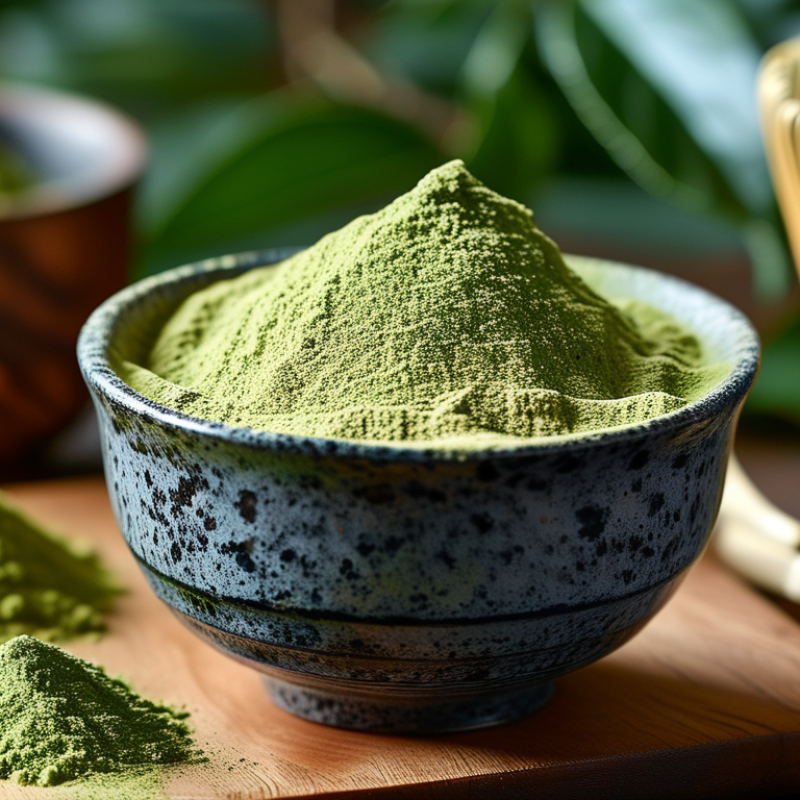
When choosing culinary matcha, consider its color and aroma. A deep green hue indicates quality, while a fresh, grassy scent suggests rich flavor. This helps enhance the ingredients you are using. Examine the powder's texture; it should be fine and silky, allowing for easy blending in recipes. According to the Tea Association, the popularity of culinary matcha has surged by 300% in the last five years, illustrating its growing impact on the culinary landscape.
Tips: Always taste a small amount before cooking. This can guide your decision on quantity. Look for organic options, as they ensure minimal pesticide use. Finally, store matcha in a cool, dark place to maintain its freshness and flavor profile. Quality choices matter.
Assessing Quality: Key Indicators of High-Grade Culinary Matcha
When selecting culinary matcha powder, assessing quality is vital. Look for vibrant green color, which indicates fresh leaves. High-grade matcha should have a fine, silky texture. Poorer quality matcha often appears dull or sandy. Aromatic freshness is another clue. A rich, grassy scent suggests high quality.
Tips: Always check for the matcha's origin. Japanese matcha is generally preferred for its quality. Additionally, consider the processing method. Stone-ground matcha retains more nutrients and flavor compared to lower-quality alternatives.
Taste test can reveal much. High-grade matcha has a rich, umami flavor. Lower grades taste bitter or astringent. If the taste isn't pleasant, reflect on its quality. Remember, consistency in color and texture also matters. Quality matcha enhances your culinary creations, while poor matcha may detract from them.
Analyzing Flavor Profiles: How Different Varieties Impact Cooking
When selecting culinary matcha powder, flavor profiles are essential. Different varieties have distinct tastes that can enhance your dishes. Ceremonial grade is often smooth with sweet notes, perfect for delicate pastries. In contrast, culinary grade has a more robust, grassy flavor, suitable for savory recipes.
Pay attention to color. Vibrant green indicates fresh matcha. A dull or yellowish hue may suggest lower quality. Fine texture is also important. It should be silky and powdery, not gritty. This impacts how well it blends into your dishes.
Tips: Always taste a small amount before using. This helps you understand the flavor and strength. Start with smaller quantities in recipes if unsure. You can adjust according to your preference. Experimenting with different varieties could yield surprising results in your dishes.
Evaluating Price vs. Quality: Finding Value in Culinary Matcha Products
When choosing culinary matcha powder, understanding the balance of price and quality is crucial. Reports indicate that the global matcha market is expected to reach $4.2 billion by 2027, emphasizing the growing demand. Yet, not all matcha is created equal. Cheaper options may lack the vibrant green color and fine texture that signify quality. Often, they contain filler ingredients or lower grades of matcha, compromising flavor and health benefits.
Quality matcha typically comes from the shade-grown leaves of premium tea plants. It boasts higher antioxidant levels and better taste. A study from the Journal of Food Science highlights that matcha's catechin content can be up to 137 times higher than that of regular green tea. Such attributes often come at a higher price point. However, discerning consumers can find value by researching source and processing methods. It's also wise to check for lab testing or certification, ensuring that the product meets standards for purity and quality.
Buying matcha should involve careful consideration. Simply opting for the most expensive brand doesn't guarantee the best product. Taste tests and aroma evaluations can guide choices. Even among reputable brands, variations can exist. Balancing cost against these quality indicators requires experience and research. Much like wine tasting, the nuances of matcha can shape your culinary adventures.
Price vs. Quality in Culinary Matcha Powder
Storage and Shelf Life: Best Practices for Preserving Matcha Freshness
When it comes to preserving the freshness of culinary matcha powder, proper storage is crucial. Scientific studies suggest that matcha retains its best flavor and color when stored away from light, air, and moisture. A tightly sealed, opaque container is ideal. The optimal storage temperature is between 32°F to 50°F. Reports indicate that matcha can lose up to 40% of its nutritional value within months if exposed to poor storage conditions.
To maximize matcha's shelf life, consider these tips. Store your matcha in the refrigerator for prolonged freshness. This practice can help preserve its vibrant green color and rich flavor for up to six months. Avoiding frequent temperature changes will also benefit the powder, which can lead to condensation and spoilage. Just remember that bringing matcha back to room temperature should be done quickly to prevent moisture exposure.
It’s essential to check for signs of spoilage. If matcha loses its bright hue or develops an off-putting scent, it’s time to replace it. Experts recommend consuming matcha within three months of opening, even with proper storage. Balancing freshness and shelf life can be tricky, but attentive storage practices maintain its quality.