
How to Choose Ceremonial Matcha for Wholesale?

Buying Ceremonial Matcha for wholesale takes more than choosing a vivid green powder. A bright sample can still taste flat in a latte or vary between deliveries. Buyers need to judge flavor, freshness, origin, milling, and supplier consistency together. Details matter.

Tea scholar Okakura Kakuzō wrote, “Tea began as a medicine and grew into a beverage.” His words describe tea’s wider history, not a wholesale grading rule. That distinction matters: “ceremonial” is not a universally standardized grade, so the label alone cannot prove quality. Taste it.

This guide outlines practical checks for sourcing Ceremonial Matcha at scale. Compare samples for color, aroma, texture, and a clean, lingering finish. Ask suppliers about harvest season, growing region, processing, storage, and batch traceability. Request written product specifications, then test the powder in the drink your customers will actually serve. A smooth matcha whisked with water may behave differently in milk.

Wholesale decisions also depend on repeatability. A strong first sample means little if the next shipment tastes bitter or arrives dull from poor storage. Discuss lead times, minimum order quantities, packaging, and how the supplier handles batch changes. Even careful buyers can miss a subtle flaw when tasting quickly. Record observations and revisit them before committing. The goal is not simply the lowest price or the brightest color. It is a dependable matcha that suits your menu, customers, and purchasing plan.
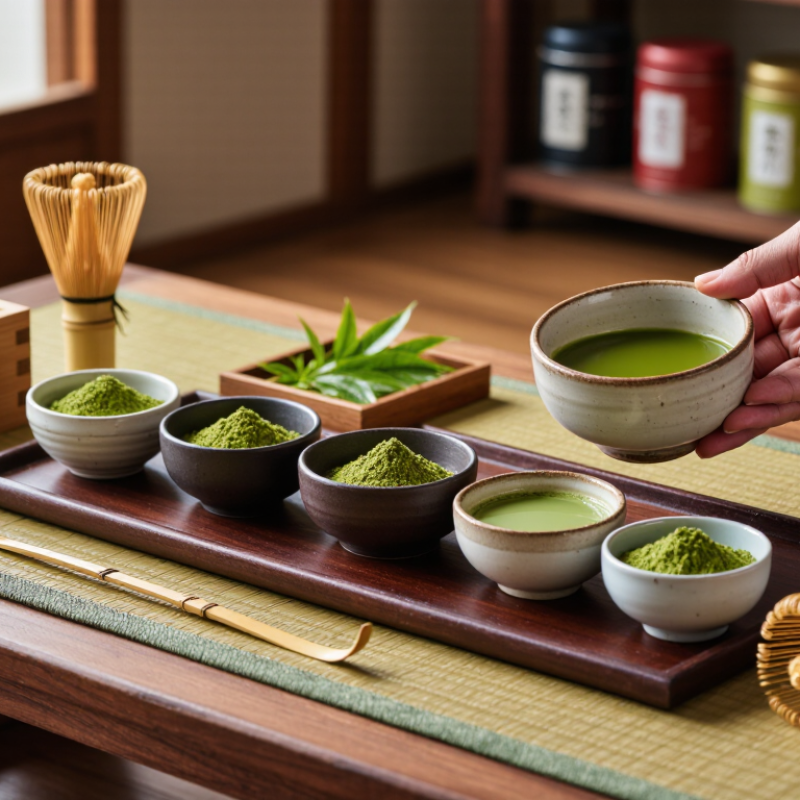
How to Choose Ceremonial Matcha for Wholesale?

What Defines Ceremonial-Grade Matcha for Wholesale Buyers?

For wholesale buyers, “ceremonial-grade” is a quality description, not a universally enforced standard. That distinction matters. A supplier’s label alone cannot show how matcha will taste or perform across repeat orders. Look for clear details on harvest season, growing region, shade cultivation, and milling method. Fresh matcha should appear vivid green, feel finely powdered, and smell clean, gently sweet, and vegetal. Color can mislead.

Ask for a recent sample and prepare it with a consistent dose, water temperature, and whisking method. Otherwise, comparisons can be unreliable. Look for smooth foam and a rounded taste, with restrained bitterness and no stale, hay-like note. Some bitterness is normal. Request lot-specific documentation, such as origin records, harvest dates, and a certificate of analysis covering relevant quality and safety tests.

For bulk orders, assess how well the supplier protects freshness. Sealed, light-blocking packaging and suitable storage matter. Ask about shelf life after opening, minimum order quantities, and whether later batches can match the sample. Consistency takes work. Keep a sealed reference sample and record tasting notes; a beautiful first cup may not represent the next shipment.

How Do Origin, Cultivar, and Harvest Affect Matcha Quality?

For wholesale ceremonial matcha, origin is a useful clue, not a guarantee. Growing conditions, shading practices, and local processing can shape a tea’s aroma and texture. Yet farms within one region may produce noticeably different lots. Ask suppliers for the growing prefecture, harvest year, and milling date. Then taste samples prepared with the same water temperature and ratio. Small details matter.

Cultivar influences sweetness, bitterness, color, and body. Saemidori may offer gentle sweetness, while some Yabukita lots show more brisk, grassy notes. These are tendencies, not promises. A cultivar name cannot replace a cup test. I would be cautious here: cultivar labels can sound more precise than the flavor differences really are.

Harvest timing also matters. Spring’s first-picked leaves often make a softer, sweeter matcha, while later harvests may taste more assertive. But careful shading, leaf selection, and stone milling can change the result. Look for a fresh, vivid green powder and a clean aroma, then check whether the taste stays balanced with water and milk. Color can mislead. Compare multiple production lots, and ask how the supplier keeps flavor consistent across shipments. No specification sheet captures every cup.

Which Color, Aroma, Texture, and Flavor Traits Should Buyers Assess?

For wholesale ceremonial matcha, assess color in daylight against a neutral white background. Look for a vivid, even green, without dull brown patches or visible clumps. Color alone is not proof of quality; harvest, storage, and lighting can all affect appearance. Japan’s Ministry of Finance trade statistics recorded 10,084 tonnes of green tea exports in 2024, a broader category that includes more than ceremonial matcha. The figure signals growing trade, not a matcha quality standard. Ask suppliers for lot-specific details and a sealed sample.

Open the sample and smell it before whisking. A fresh batch should have a clean, vegetal aroma, perhaps suggesting young leaves or steamed greens, rather than hay, smoke, or stale nuts. Sift a small portion, then whisk it with the same water and temperature used for every supplier. The powder should disperse smoothly; persistent grit or hard clumps deserve a closer check. Taste for gentle sweetness and umami, with bitterness that stays controlled. Notice the finish. A bright sample can still taste thin, and a rich aroma may fade after mixing. Record sensory notes, harvest information, and storage conditions together. One tasting is not enough.

How to Choose Ceremonial Matcha for Wholesale

Example sensory assessment of a sample lot on a 1–5 scale, where 5 indicates a stronger match to desirable ceremonial-style traits. This is an illustrative buyer rubric, not a universal grade standard.

What to assess: Look for a vivid, even green color; a fresh, clean vegetal aroma; a fine, smooth texture with minimal grittiness; and a balanced umami-forward flavor with restrained bitterness. Evaluate samples using consistent preparation and tasting conditions.

How Can Buyers Verify Suppliers, Certifications, and Batch Consistency?

Before approving a ceremonial matcha supplier, verify who produces the tea and where it is processed. Ask for current certification documents, their issuing bodies, and the products and facilities they cover. A certificate alone does not confirm flavor or freshness. Check that the supplier can trace each lot to its harvest or processing period.

Request recent batch records, including moisture levels, testing results, and storage details. Compare samples from different lots side by side. Look for a fine, even powder, a fresh green aroma, and a smooth taste without harsh bitterness. Ask how the supplier handles changes in color or flavor. Small differences happen, but unexplained variation deserves a closer look.

A neat document is not the whole story. Request a sample from the same lot you plan to buy, then compare it with the supplier’s stated specifications. Confirm packaging dates, seal integrity, and protection from heat and light. Keep copies of documents and sample notes for future orders. It may feel fussy. Yet one detail can be missed, and buyers should revisit their checks when suppliers, harvests, or processes change.

How to Choose Ceremonial Matcha for Wholesale? — How Can Buyers Verify Suppliers, Certifications, and Batch Consistency?

Verification area What to request How buyers can check it Wholesale decision signal
Supplier identity and traceability Legal business details, production or packing-site address, country of origin, and lot-level traceability information. Check that the entity on documents matches the seller and the facility named on certificates, audit reports, and product records. Prefer suppliers that can trace finished goods back to a production lot and explain each processing or packing step.
Organic certification A current organic certificate and product or ingredient scope relevant to the offered matcha and supply chain. Verify the certificate with the issuing body or applicable official directory. Check the certificate holder, site, scope, status, and validity dates. Requirements vary by destination market. Treat “organic” as a claim requiring market-appropriate documentation; do not rely on a logo or an expired certificate alone.
Food-safety systems A current food-safety certificate or audit documentation, such as a relevant GFSI-recognized certification, where applicable. Confirm the issuing body, certificate status, covered site, product category, and scope. A facility-level certificate does not by itself certify every product or lot. Look for documented controls covering hazards, sanitation, traceability, and corrective actions at the facility handling the product.
Batch-specific certificate of analysis A COA tied to the exact lot offered, with sample or lot identification, test dates, methods, results, and laboratory details. Match the lot number and product description to the quotation, sample, and packing documents. Ask whether testing was performed by an independent laboratory. A generic or undated COA is not evidence that the current shipment was tested.
Pesticide residues and contaminants Relevant pesticide-residue results and, based on risk and destination rules, testing for contaminants such as heavy metals and microbiological hazards. Check the analyte list, detection or quantification limits, test method, and applicable destination-market limits. “Pass” without results or criteria is difficult to assess. Assess compliance against the regulations for the market where the product will be sold; requirements can differ by country and substance.
Origin and production information Declared growing and processing regions, harvest period where available, processing details, and country-of-origin documentation. Cross-check supplier declarations with invoices, packing records, and traceability documents. Ask whether the matcha is single-origin or blended. Specific, consistent records are more useful than broad origin claims without supporting documentation.
Grade and sensory specification A written product specification covering intended use, color, aroma, taste, texture, and preparation method. “Ceremonial” is not a universally standardized legal grade. Request representative samples and evaluate them using the same water temperature, dose, whisking method, and lighting for every supplier. Set a buyer-defined sensory reference rather than relying on grade terminology alone.
Batch consistency Samples or retained reference material from multiple lots, lot specifications, and records of any blending or specification changes. Compare lots side by side for color, aroma, taste, texture, and agreed test results. Repeat the assessment before placing a large recurring order. Agree on written tolerances and a change-notification process before scaling purchases.
Packaging and storage Packaging material details, lot coding, best-before date, storage guidance, and information on protection from light, oxygen, moisture, and heat. Inspect sample packaging and confirm that shipment conditions and remaining shelf life meet the buyer’s requirements. Require clear lot identification and practical storage instructions throughout distribution.
Commercial controls and sample approval Written specification, approved sample reference, order quantity, lead time, change-control terms, and procedure for handling nonconforming lots. Ensure the specification and approved sample are referenced in the purchase agreement and that complaint and replacement terms are clear. Begin with a manageable trial order before committing to recurring or high-volume purchases.

Buyer note: Certification rules, permitted claims, and contaminant limits depend on the destination market. Confirm current requirements with the relevant regulatory authority or a qualified compliance professional.

How Should Sampling, Pricing, and Packaging Shape a Wholesale Purchase?

Request a production sample from the same lot proposed for your order. Whisk it with water, then taste it plain; milk can hide bitterness. Note the powder’s color, fresh aroma, texture, foam, and lingering astringency. Repeat the test in your actual service setting. Small test. Big difference. A sample is only useful if its lot, harvest information, and storage conditions match the quoted product. Japan’s Ministry of Agriculture, Forestry and Fisheries reported green tea export value of ¥29.2 billion in 2023. That figure covers green tea broadly, not ceremonial matcha alone, but it signals growing international trade and the need to verify supply details.

Compare prices per usable kilogram, not just per tin. Ask whether milling, packaging, freight, and minimum order quantities are included. Request written specifications and a quote with a clear validity period; crop conditions can affect availability and pricing. Packaging deserves the same scrutiny. Ask for an opaque, oxygen-resistant inner pouch, a tight seal, and a practical pack size that staff can finish before quality declines. Check the lot code and packing date. Then test an opened pack for aroma and color over several days. A beautiful tin is not proof of freshness. I would also challenge my own assumptions: the lowest delivered price may still be poor value if the powder performs inconsistently in a bowl.

Scroll to Top