Top 10 Essential Features Every Chemical Lab Should Have
In today's rapidly advancing scientific landscape, ensuring the functionality and safety of chemical labs is more critical than ever. According to a report by the National Institute of Standards and Technology, numerous laboratory accidents arise from inadequate facilities and equipment, highlighting the need for strict adherence to essential safety and operational standards. A well-equipped chemical lab not only fosters innovation but also safeguards researchers and enhances productivity, making it imperative for institutions to prioritize essential features in their setup.
Dr. Emily Johnson, a renowned expert in laboratory management, emphasizes, "The significance of having fundamental features in chemical labs cannot be overstated; they directly influence the quality of research and the safety of lab personnel." With an increasing number of institutions investing in chemical labs to explore various scientific frontiers, the demand for essential instruments and safety measures has surged. This not only reflects the growth of the chemical industry but also showcases a collective commitment to upholding safety standards that protect human health and the environment.
As we delve into the top 10 essential features every chemical lab should incorporate, we will explore how these elements contribute to creating a safer and more efficient workspace, ultimately driving forward the capabilities of research and innovation within the field of chemistry.

Key Safety Equipment for Chemical Laboratories
In the realm of chemical laboratories, safety equipment is paramount to ensure the well-being of personnel and the integrity of experiments. According to a report by the National Institute for Occupational Safety and Health (NIOSH), about 13% of all reported workplace injuries in laboratories stem from chemical exposure. To mitigate these risks, it is essential for laboratories to be equipped with proper safety gear.
Personal protective equipment (PPE) such as lab coats, gloves, and safety goggles form the first line of defense against chemical spills and splashes. The American Chemical Society emphasizes that wearing appropriate PPE can significantly reduce the likelihood of injury during experiments. Moreover, the implementation of fume hoods is crucial; the American Industrial Hygiene Association (AIHA) states that over 50% of laboratory chemical exposures can be prevented by utilizing well-ventilated fume hoods, which help to remove hazardous fumes from the breathing zone of the user.
Moreover, emergency equipment such as eyewashes and safety showers must be strategically placed throughout the lab. The Occupational Safety and Health Administration (OSHA) recommends that these units be located within a 10-second travel distance from any area in the lab where hazardous materials are handled. Regular maintenance and inspection of this equipment are essential, as nearly 30% of units fail to operate correctly due to neglect or lack of use. By prioritizing these safety features, chemical laboratories can create a safer working environment that protects both their personnel and valuable research.
Essential Lab Storage Solutions for Chemicals
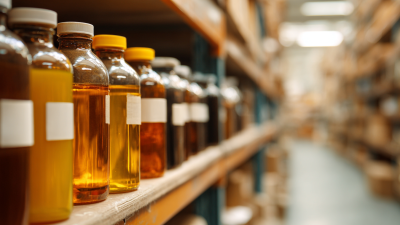
When it comes to setting up a chemical lab, proper storage solutions for chemicals are paramount to ensure safety and efficiency. According to the American Chemical Society, improper storage can lead to hazardous spills, reactions, and increased risks of fire, resulting in significant financial and environmental repercussions. Optimal chemical storage solutions are not just about organizing your space; they are crucial for maintaining a safe working environment. Implementing designated storage areas like acid cabinets, flammable liquid storage, and explosion-proof containers can prevent dangerous incidents and promote a productive workflow.
Tips: Always label all chemical containers clearly, including the contents and hazard symbols. This not only helps in quick identification but also enhances safety protocols in emergencies. Additionally, consider incorporating secondary containment systems such as spill trays or sorbent pads to capture leaks and spills right from the start.
Moreover, regularly reviewing and updating your chemical inventory is essential. The National Fire Protection Association recommends conducting these audits at least once a year, ensuring that expired or unused chemicals are disposed of in accordance with regulations. This proactive approach minimizes clutter and enhances accessibility, turning your chemical lab into a more efficient operational hub.
Instruments for Accurate Measurement and Analysis
In the realm of chemical laboratories, the accuracy of measurements and analyses is paramount for successful research and experimentation. Essential instruments such as analytical balances, pH meters, and spectrophotometers play a crucial role in ensuring precise data collection. According to a recent report from the International Laboratory Analysts Association, over 62% of laboratory errors can be traced back to inaccurate measurements, underscoring the necessity for state-of-the-art measurement tools.
Analytical balances, known for their capability to weigh samples down to the milligram, are indispensable in any chemical lab. Their accuracy allows researchers to prepare reagents with precise concentrations, which is vital for reproducibility in chemical reactions. Additionally, pH meters have become the gold standard for measuring acidity and alkalinity in solutions. The American Chemical Society highlights that maintaining the correct pH is fundamental in processes like titrations, as even minor deviations can significantly impact outcomes. Moreover, spectrophotometers provide critical insight into concentration levels of solutions, with data indicating a correlation between precise absorbance measurements and effective quality control in chemical production processes.
Investing in high-quality instruments not only improves accuracy but also enhances overall laboratory productivity. A comprehensive survey conducted by the Global Laboratory Instrumentation Market revealed that labs utilizing advanced measurement technologies reported a 40% reduction in experimental discrepancies. Emphasizing the importance of accurate measurement tools reinforces the need for continuous investment in laboratory equipment to facilitate better research outcomes and innovation in the field of chemistry.
Top 10 Essential Features Every Chemical Lab Should Have
Ventilation Systems to Ensure Air Quality in Labs
A properly designed ventilation system is crucial for maintaining air quality in chemical laboratories. Effective ventilation helps to remove harmful fumes, dust, and chemicals from the air, ensuring a safe working environment for laboratory staff. There are several types of ventilation systems that can be implemented, including general ventilation, local exhaust ventilation, and fume hoods. Each system plays a vital role in providing adequate air changes per hour to dilute and expel contaminants.
When planning your lab’s ventilation, keep in mind the importance of regular maintenance and monitoring. Periodically check filters, exhaust fans, and ductwork to ensure they are functioning optimally. Consider installing air quality monitors that can alert personnel to any hazardous conditions. Additionally, it’s essential to create a ventilation management plan that outlines procedures for emergencies and routine checks, safeguarding against potential air quality crises.
Tips: Encourage lab personnel to always use fume hoods when working with volatile substances, as these are designed to capture and exhaust harmful vapors. Ensure that lab equipment does not block airflow in any ventilation openings. Lastly, maintain an open dialogue with safety officers to continuously improve ventilation practices based on up-to-date safety standards.
Reliable Waste Disposal Mechanisms for Chemical Labs
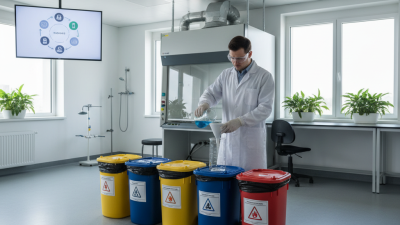
Reliable waste disposal mechanisms are crucial for any chemical laboratory, ensuring safety, compliance with regulations, and environmental protection. The first step in establishing an effective disposal system involves segregating waste at the source. Chemical labs should employ color-coded containers designed for specific types of waste—such as organic, inorganic, and hazardous materials—to minimize cross-contamination and facilitate proper handling. Staff training in recognizing and correctly disposing of different chemical types is essential for maintaining a safe working environment.
Additionally, labs must incorporate specialized waste treatment systems that can neutralize or render waste harmless before disposal. These systems can include onsite waste treatment units, which allow labs to reduce the volume of hazardous waste generated. Implementing protocols for regular waste assessments can further enhance efficiency by addressing potential issues before they escalate. Engaging with certified disposal contractors ensures that any remaining hazardous waste is managed according to local and international regulations, safeguarding both lab personnel and the environment.