How to Find Chemical Plant Jobs and Advance Your Career Opportunities?
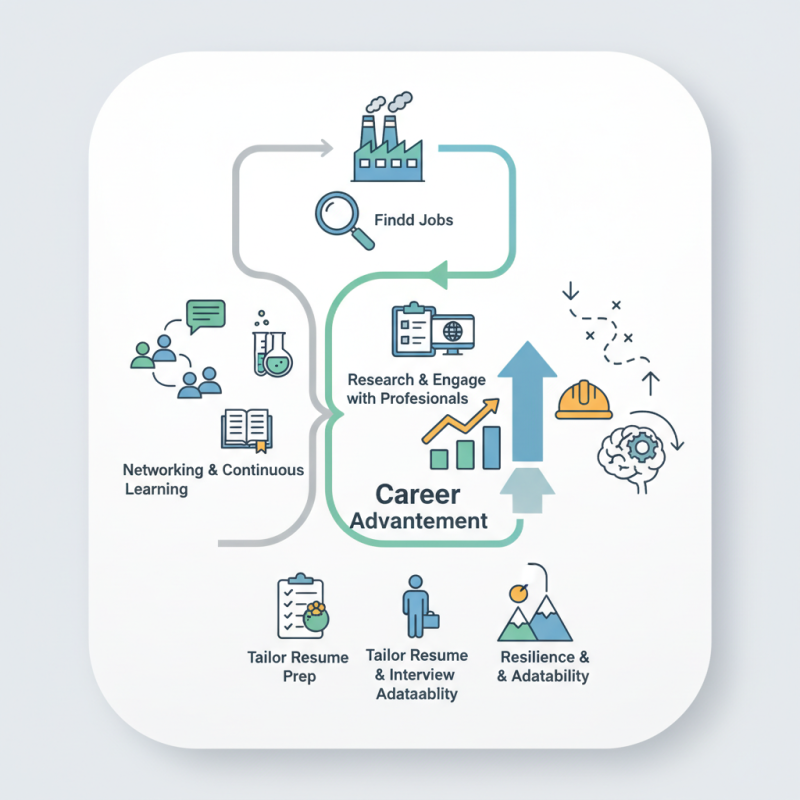
In the competitive world of chemical plant jobs, finding the right position can be a daunting task. Industry expert Dr. Susan Reynolds once said, "Networking and continuous learning are key to advancing in chemical engineering." This highlights the necessity of building connections and enhancing your skills.
The chemical sector is vast, offering various roles from research to plant management. Job seekers often struggle to navigate this landscape. Identifying potential employers and understanding their needs can create opportunities. It's important to research companies and engage with industry professionals.
Every journey has challenges. Many candidates submit applications but face rejections. This can be disheartening, yet it offers a chance to reflect and improve. Tailoring resumes and preparing for interviews are crucial steps. Those eager to excel must remain resilient and adaptable in their pursuit of chemical plant jobs.
Identifying Potential Employers in the Chemical Industry
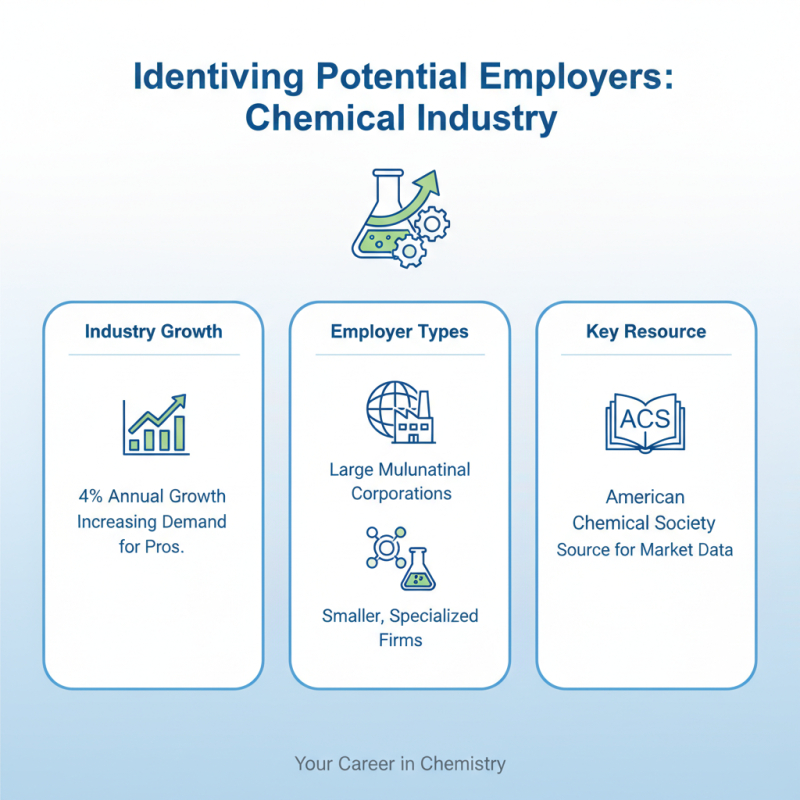
When exploring career opportunities in the chemical industry, identifying potential employers is crucial. The American Chemical Society reported that the chemical sector is expected to grow by 4% annually. This growth indicates an increasing demand for skilled professionals. Employers range from large multinational corporations to smaller, specialized firms.
Networking is essential. Attend industry conferences and engage on professional platforms. According to a study, about 70% of job vacancies are not advertised publicly. This statistic highlights the importance of making connections. Many companies seek candidates who have demonstrated passion and commitment to their field.
Additionally, consider the specific areas within the chemical sector. Fields like pharmaceuticals and renewable energy are growing rapidly. A report from MarketsandMarkets forecasted the global renewable chemicals market to reach $98 billion by 2026. This growth opens doors for innovative roles, but competition is fierce. Tailor your skills accordingly and continuously seek opportunities for professional development. Reflecting on your career path can lead to better positioning within this dynamic industry.
Utilizing Job Search Platforms Effectively for Chemical Jobs
When seeking chemical plant jobs, job search platforms become essential tools. These platforms allow you to filter jobs based on location, experience level, and specialization. This makes it easier to find suitable positions. However, many candidates overlook key features. For instance, setting up job alerts can ensure you never miss a relevant opportunity. Yet, not all job postings are updated regularly, so you may want to check listings frequently.
In addition to typical job boards, networking on professional sites can boost visibility. Engaging in industry-related forums or groups allows you to connect with professionals. You can learn about job openings that aren’t posted publicly. Some job seekers might hesitate to share their resumes online, fearing oversaturation. However, a well-crafted profile can attract employers directly. Remember, focus on showcasing your skills and accomplishments realistically. Highlight specific projects you worked on to grab attention.
Utilizing job search platforms effectively also means staying organized. Keep a record of applications and follow-ups. This helps prevent missed opportunities. Reflect on the feedback received during interviews. Understanding what went well and what didn't is crucial for growth. Each job application should be tailored; it’s vital to avoid a one-size-fits-all approach.
Job Opportunities in the Chemical Industry by Year
Crafting a Standout Resume for Chemical Plant Positions
Crafting a standout resume for chemical plant positions requires attention to detail. Begin by highlighting relevant skills. Include technical knowledge, safety protocols, and any specific equipment experience. Tailor your skills to match the job description. This shows you understand the role and company.
Focus on your achievements, not just duties. For instance, did you reduce waste or improve efficiency? Quantify these successes. Numbers stand out. Instead of saying you worked in a team, mention how you led a project. These details add depth.
Don’t overlook the importance of formatting. Use clear headings and bullet points. Keep it professional and easy to read. Proofread for errors, as they can undermine your credibility. If you find it difficult to present your experience, consider seeking feedback. A fresh perspective can reveal areas for improvement.
Networking Strategies to Connect with Industry Professionals
Networking is crucial for finding chemical plant jobs. Attending industry conferences can provide excellent opportunities. These events allow you to meet professionals face-to-face. Remember to prepare an elevator pitch. Practice makes it easier to introduce yourself. This simple step can make a big difference.
Joining online forums is another effective strategy. Many professionals share insights and job openings. Engage actively in discussions. Ask questions and provide your thoughts. This can help you gain visibility. It’s important to build genuine relationships. Follow up with people you connect with. A short thank-you note can go a long way.
Reflect on your networking approach. Are you reaching out enough? Sometimes, it's easy to feel shy. Push past that discomfort. Seek mentors who can guide you. They can share valuable experiences. Networking takes time and effort, but it's worth it. Embrace each opportunity to learn and connect.
Enhancing Skills and Certifications for Career Advancement
Enhancing your skills can significantly impact your career in the chemical industry. Focus on relevant certifications that are highly valued in this field. For instance, obtaining a Six Sigma certification can improve process efficiency. Consider online courses that cover advanced chemical engineering concepts. They are often affordable and flexible.
Hands-on experience plays a crucial role. Internships or cooperative education opportunities provide practical knowledge. Engage in projects that tackle real-world challenges. Networking is essential too. Attend industry conferences and workshops. Connect with professionals who can offer insights and job leads.
Self-reflection is necessary when assessing your progress. Identify areas where you feel underqualified. This awareness can guide your learning choices. Seeking mentorship can be beneficial. They can provide clarity on skills to enhance. Remember that continuous improvement is a journey, not a destination.
How to Find Chemical Plant Jobs and Advance Your Career Opportunities?
| Job Title |
Required Qualifications |
Skills and Certifications |
Average Salary (Annual) |
Career Advancement Opportunities |
| Chemical Engineer |
Bachelor's Degree in Chemical Engineering |
PE Certification, Safety Training |
$80,000 |
Project Management Roles |
| Process Technician |
Associate's Degree or Technical Diploma |
Six Sigma Certification, Equipment Operation |
$55,000 |
Lead Technician Positions |
| Environmental Engineer |
Bachelor's Degree in Environmental Engineering |
LEED Certification, Environmental Compliance |
$75,000 |
Regulatory Affairs Management |
| Quality Control Analyst |
Bachelor's Degree in Chemistry or related field |
Quality Management Certification, Lab Skills |
$60,000 |
Quality Assurance Leadership |
| Safety Officer |
Bachelor's Degree in Occupational Safety |
OSHA Certification, Risk Assessment Skills |
$70,000 |
Safety Management Positions |