What is High-Quality Bearing Housing Block Service for Buyers?
In the competitive landscape of industrial manufacturing, the importance of "High-Quality Bearing Housing Block Service" cannot be overstated. Experts like John Smith, a renowned mechanical engineer, emphasize this by stating, “Superior bearing housing solutions are crucial for operational efficiency.” Buyers seeking high-quality products must navigate many options, often leading to confusion.
Understanding the nuances of bearing housing is vital. High-quality services provide not just products but also support, maintenance, and longevity. Consider the various types of materials and designs available. The choice affects performance, durability, and cost-effectiveness. Not all service providers meet high standards. Some compromise on quality to reduce costs, which can lead to failure and increased downtime.
Reflecting on the industry's evolution, it's clear that advanced designs and materials are essential. However, many clients overlook the relationship between service quality and product longevity. For a buyer, distinguishing between reliable and subpar services requires careful research and understanding. Balancing cost with high-quality bearing housing service leads to smarter investments.
What Defines High-Quality Bearing Housing Blocks in Industry Standards?
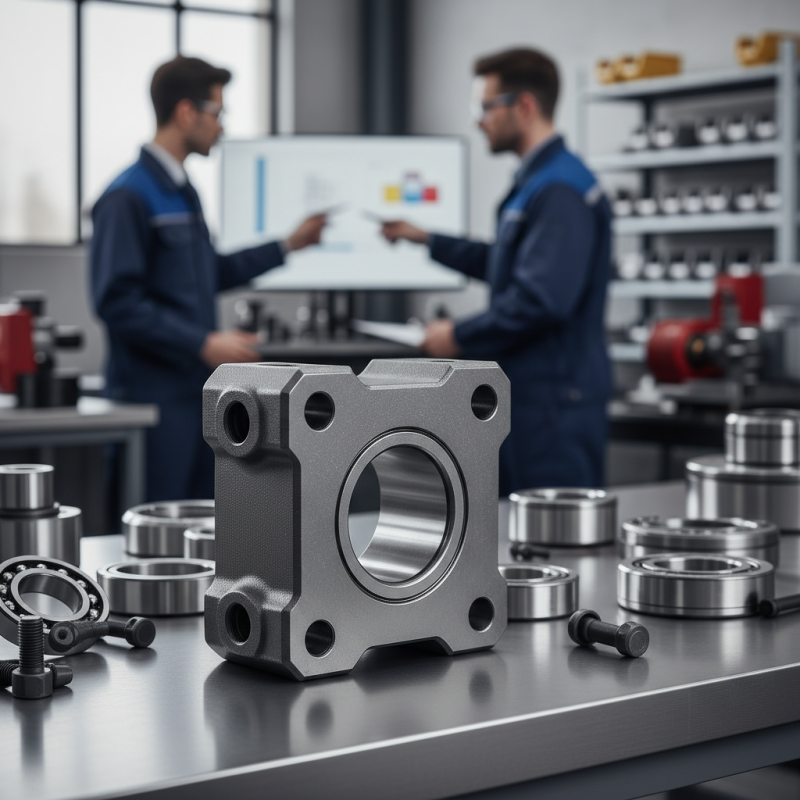
High-quality bearing housing blocks are crucial for machinery operation. Industry standards emphasize the durability and reliability of these components. According to a recent report by the International Organization for Standardization (ISO), the lifespan of a bearing housing block can significantly influence machine performance. Proper materials and design are pivotal in ensuring longevity.
Precision in manufacturing is another defining factor. Blocks must adhere to strict tolerance levels. The American National Standards Institute (ANSI) recommends specific dimensions and materials to meet these requirements. A manufacturer’s ability to achieve these benchmarks speaks volumes about their reliability. Yet, many companies still struggle with production consistency. Issues can arise from poor quality control and substandard materials. This affects the overall performance of machinery, leading to increased downtime.
Additionally, maintenance practices play a role in determining block quality. Industry best practices suggest regular inspections and timely replacements. However, surveys indicate that around 40% of maintenance teams overlook these essential tasks. This neglect can lead to premature wear and tear. It becomes clear that choosing high-quality bearing housing blocks requires a diligent assessment of both the product and the supplier's service.
Key Material Specifications for Optimal Bearing Housing Performance
When selecting high-quality bearing housing blocks, key material specifications play a crucial role. The choice of materials directly affects performance and durability. Commonly used materials include cast iron, aluminum, and various polymers. According to industry reports, cast iron provides excellent rigidity and vibration damping, making it ideal for heavy-load applications. Aluminum, on the other hand, is favored for its lightweight properties, enhancing overall efficiency.
Thermal conductivity is another important specification. Materials with high thermal conductivity can effectively dissipate heat, preventing premature failure. Studies indicate that well-designed bearing housings can withstand temperatures up to 150°C without compromising performance. However, relying solely on standard material specifications may not be sufficient. Different applications often require unique designs that address specific environmental conditions.
Corrosion resistance is frequently overlooked. A material that performs well under certain conditions might fail under harsher environments. Buyers must assess the specifics of their application. Factors like humidity and exposure to chemicals can significantly affect material longevity. Understanding these details ensures better performance, reducing the frequency of replacements and maintenance. Investing time in understanding material specifications leads to more informed purchasing decisions.
What is High-Quality Bearing Housing Block Service for Buyers? - Key Material Specifications for Optimal Bearing Housing Performance
| Material Type | Tensile Strength (MPa) | Hardness (Brinell) | Corrosion Resistance | Thermal Conductivity (W/m·K) |
| Cast Iron | 350 | 180 | Moderate | 60 |
| Aluminum Alloy | 300 | 90 | High | 205 |
| Stainless Steel | 550 | 300 | Very High | 16 |
| Bronze | 450 | 150 | High | 83 |
Impact of Precision Manufacturing on Bearing Housing Durability
Precision manufacturing plays a crucial role in the durability of bearing housing blocks. The quality of materials used directly impacts longevity. Rigorous standards in the manufacturing process ensure that each component can withstand operational stresses. However, even with advanced techniques, imperfections can still occur. For example, slight deviations in machining tolerances can lead to premature wear.
Another critical factor is the design of the bearing housing. A well-designed housing balances load distribution and minimizes vibration. Yet, a common oversight is neglecting the specific application requirements. This can result in inadequate performance in demanding environments. Ensuring that the design caters to real-life conditions is essential.
Moreover, consistent quality control during production is paramount. Regular inspections can identify flaws before components reach the market. However, manufacturers sometimes skip these checks under tight deadlines. This oversight may compromise durability and lead to costly repairs. Focusing on meticulous processes can mitigate such risks significantly. In this industry, attention to detail is not just a choice; it's a necessity.
Assessment Metrics for Evaluating Bearing Housing Block Suppliers
When evaluating suppliers for bearing housing blocks, the right metrics are crucial. Focus on the supplier's reputation in the field. Reviews from past clients offer useful insight. Look for companies that demonstrate a commitment to quality and customer satisfaction. This is not just a business transaction; it's about building trust.
Consider the technical expertise of the supplier. Experienced suppliers understand the nuances of bearing technologies. They should offer a range of products suitable for diverse applications.Ask about their materials and manufacturing processes. Transparency in sourcing and production can reveal much about their reliability.
Price is an important factor, but it should not be the sole consideration. A low price might signal compromised quality. It’s essential to weigh the overall value. Some suppliers may promise rapid delivery, but can they maintain quality? Reflect on these questions during your evaluation. Prioritize suppliers who welcome inquiries and feedback. This indicates a willingness to improve and adapt.
Trends and Innovations in Bearing Housing Design and Functionality
Recent trends in bearing housing design indicate a significant shift towards enhanced functionality and sustainability. Manufacturers are increasingly adopting modular designs. This allows for easier maintenance and part replacements. In 2023, a report from the Bearing Industry Research Group revealed that modular designs could reduce downtime by 25%. Increased ease of use aligns with industry demands for efficiency.
Innovations in materials also play a critical role. Advanced composites are emerging as viable alternatives to traditional metals. These materials offer greater resistance to corrosion and improved thermal performance. A notable finding shows that the use of composite materials can extend bearing housing service life by 15%. However, some manufacturers struggle with the higher initial costs associated with these advanced materials.
While advancements are promising, challenges remain. Integration of new technologies often requires specialized training for operators. Additionally, existing infrastructure may not support modern designs, leading to compatibility issues. Not every application can benefit immediately from these innovations, prompting the industry to rethink implementation strategies. This ongoing evolution highlights the importance of continuous learning and adaptation in bearing housing solutions.