What is Home Textile Fabric and How to Choose the Best?
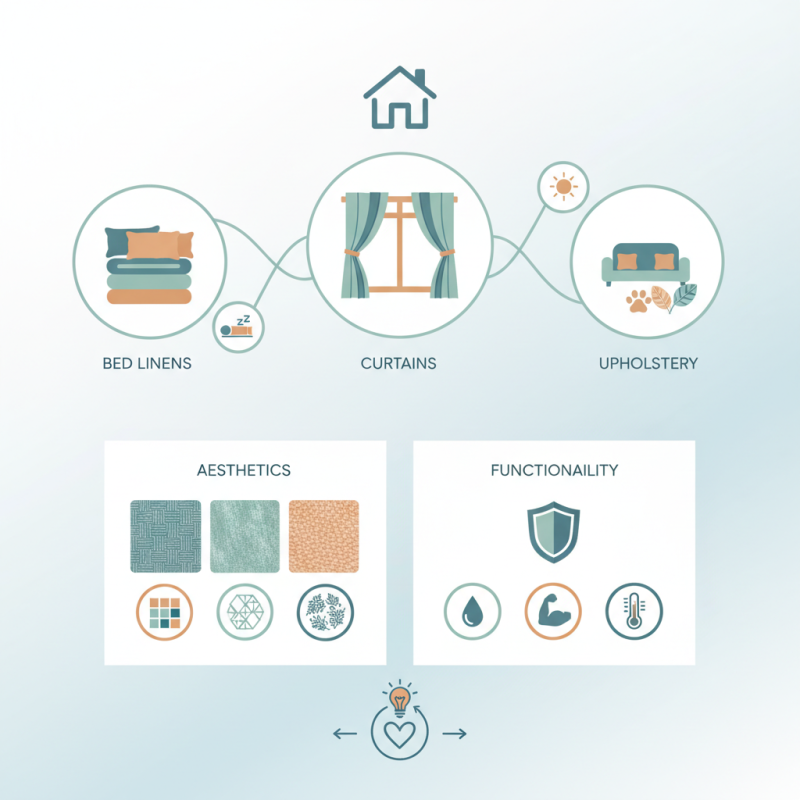
home textile fabric plays a vital role in our daily lives. It includes bed linens, curtains, and upholstery. Choosing the right fabric can change the look and feel of your home. Renowned interior designer Anna Smith once stated, “Quality home textile fabric can elevate your entire space.” This highlights the importance of making informed choices.
When selecting home textile fabric, consider both aesthetics and functionality. Look for materials that suit your lifestyle. For instance, families with pets might prefer durable fabrics. However, finding the perfect balance is often challenging. Some fabrics may look beautiful but may not be practical.
Pay attention to texture, color, and patterns. These elements influence ambiance. Experimenting with different combinations can lead to unique results. Yet, it’s easy to get overwhelmed by choices. Reflect on what truly resonates with your personal style. Home textile fabric should reflect who you are. In this journey, imperfections can inspire creative solutions.
What is Home Textile Fabric?
Home textile fabric encompasses a variety of materials used for interior furnishings. This includes curtains, upholstery, and bed linens. According to a recent market report, the global home textile market is projected to reach over $150 billion by 2025. This highlights the growing importance of comfort and aesthetics in living spaces.
Choosing the right fabric is crucial. Different fibers offer unique properties. For example, cotton is breathable and easy to maintain, making it ideal for quilts and sheets. On the other hand, synthetic materials like polyester are known for durability but can lack the luxurious feel of natural fibers. The demand for eco-friendly fabrics is also on the rise, with a 20% increase noted in organic textile production. This shift reflects consumer preferences for sustainability.
When selecting home textiles, consider factors like texture and color. Fabrics can greatly affect a room's ambiance. However, many overlook the weight and drape of a fabric, which contribute to overall aesthetics. Light fabrics may flutter too much, while heavier ones might not have the desired flow. Balancing these elements can be challenging, but it is essential for achieving a harmonious design.
What is Home Textile Fabric and How to Choose the Best?
| Fabric Type | Key Characteristics | Ideal Use | Care Instructions |
| Cotton | Soft, breathable, and durable | Bed linens, curtains | Machine wash cold |
| Linen | Strong, absorbent, and cool to the touch | Tablecloths, summer bedding | Machine wash gentle |
| Polyester | Resilient, stain-resistant, and quick-drying | Curtains, cushion covers | Machine wash warm |
| Silk | Luxurious, smooth, and lightweight | Bedding, decorative pillows | Dry clean only |
| Velvet | Soft, rich texture, and elegant appearance | Drapes, upholstery | Spot clean recommended |
Types of Home Textile Fabrics and Their Uses
Home textiles play a significant role in enhancing comfort and aesthetics in living spaces. The variety of fabrics available can meet different needs. Common types include cotton, linen, polyester, silk, and blends. Cotton is renowned for its softness and breathability, making it ideal for sheets and pillowcases. Linen offers a textured finish and is excellent for hot climates. Polyester is durable and wrinkle-resistant, suitable for curtains and upholstery.
When choosing fabrics, consider their usage. For bedding, opt for materials that promote comfort and relaxation. Fabrics like cotton and bamboo are often recommended due to their hypoallergenic properties. Report from the Home Textile Association highlights that 80% of consumers prioritize fabric comfort when selecting home textiles. This statistic underscores the importance of choosing wisely.
Tips: Always read care instructions on fabric labels. Fabrics with easy maintenance can save time. Consider your local climate when selecting textiles. For example, heavier fabrics work well in cold areas, while lighter options suit warmer climates. Experiment with different textures to create a unique ambiance. Don’t settle for the first option—explore and reflect on what truly complements your space.
Types of Home Textile Fabrics and Their Uses
Key Factors to Consider When Choosing Home Textiles
When choosing home textiles, several key factors come into play. Fabric type is crucial. Cotton is breathable and easy to clean, while linen offers a textured feel that many love. According to industry reports, cotton remains the preferred choice for bedding, accounting for over 40% of the market. However, many overlook the importance of material blends. Synthetics can enhance durability but might affect comfort.
Color and pattern selection matter too. Bold colors can energize a room, but they may also grow tiresome. A survey indicated that neutral tones dominate preferences, capturing nearly 60% of consumer choices. It’s essential to think long-term. Cost is another consideration; higher initial investment can lead to greater durability. But, cheaper textiles might wear out quickly, introducing hidden costs over time.
Lastly, environmental impact should be part of the decision. Organic textiles can be healthier and more sustainable, yet they often come with a heftier price tag. Awareness of certification labels can guide consumers—this knowledge is sometimes lacking. Research shows that only 30% of consumers actively look for eco-friendly options. So, while aesthetics and budget weigh heavily, the broader implications of textile choices require deeper reflection.
How to Care for and Maintain Home Textile Fabrics
Caring for home textile fabrics requires attention and regular maintenance. According to a report by the International Textile Manufacturers Federation, consumers often overlook the importance of cleaning these items. Neglect can lead to wear and tear, affecting both aesthetics and longevity. Most fabrics are sensitive to certain cleaning agents. Always test cleaners on a hidden area first.
Washing guidelines are crucial. For example, cotton materials typically withstand higher temperatures. However, delicate fabrics like silk need cold water only. A surprising 35% of homeowners use hot water on all fabrics. This practice can cause shrinking or fading.
Storage is just as vital. Some fabrics attract dust and pests easily. Even in closets, they should be wrapped or covered. Regular vacuuming can help, but many neglect this step. It’s easy to overlook, yet vital to maintaining fabric integrity. Making small changes in care routines can improve fabric lifespan significantly.
Trends in Home Textile Fabric Design and Sustainability
The landscape of home textile fabric is evolving rapidly. Designers are now prioritizing sustainability alongside aesthetics. Eco-friendly materials are becoming more popular. Fabrics like organic cotton, hemp, and recycled polyester are leading this change. They reduce environmental impact and promote cleaner production methods.
Trends in home textiles reflect broader shifts in consumer values. People are more conscious of their purchases now. They seek items that tell a story, that are ethically made. Many homeowners favor handwoven fabrics, giving a unique touch to their spaces. This approach adds warmth and personality. However, not all sustainable fabrics are perfect. Some still use dyes or treatments that can be harmful. It's essential to research thoroughly before choosing.
Market demand is pushing designers to innovate, yet challenges persist. The balance between style and sustainability is sometimes hard to achieve. Designers may choose cheaper options to meet budget concerns. This can lead to compromises in quality or eco-friendliness. Reflecting on these issues can guide better choices, ensuring our homes are beautiful and responsible.