Choosing solvent recycling equipment is a process decision, not a catalog exercise. The right system must match the solvent, the waste stream, and the way your plant operates. A small coating shop with one 20-liter drum has different needs from a factory running several shifts. The difference shows up in throughput, labor, and recovered-solvent quality.
A useful selection principle is: “Choose equipment around the solvent stream you actually generate, not the capacity you hope to need.” This is practical guidance, not a verified quotation from a named expert. A credible expert attribution should be checked against a reliable source before publication. That matters. Unverified quotes can weaken an otherwise useful guide.
Start by documenting solvent types, daily volumes, water content, solids, and contamination. Note whether batches change often, and how much operator time is available. Then compare distillation capacity, heating method, automation, cooling, and residue handling. Ask suppliers for test data using a representative sample; a clean demonstration solvent may not resemble the dark, sticky liquid left in your process tank. Confirm what support, training, and routine maintenance the supplier provides.
No machine solves every problem. Some streams need pretreatment, and some recovered solvents may not suit their original application. Those details can be easy to underestimate. This guide explains how to assess process fit, operating costs, recovery targets, safety features, and supplier evidence before choosing solvent recycling equipment.
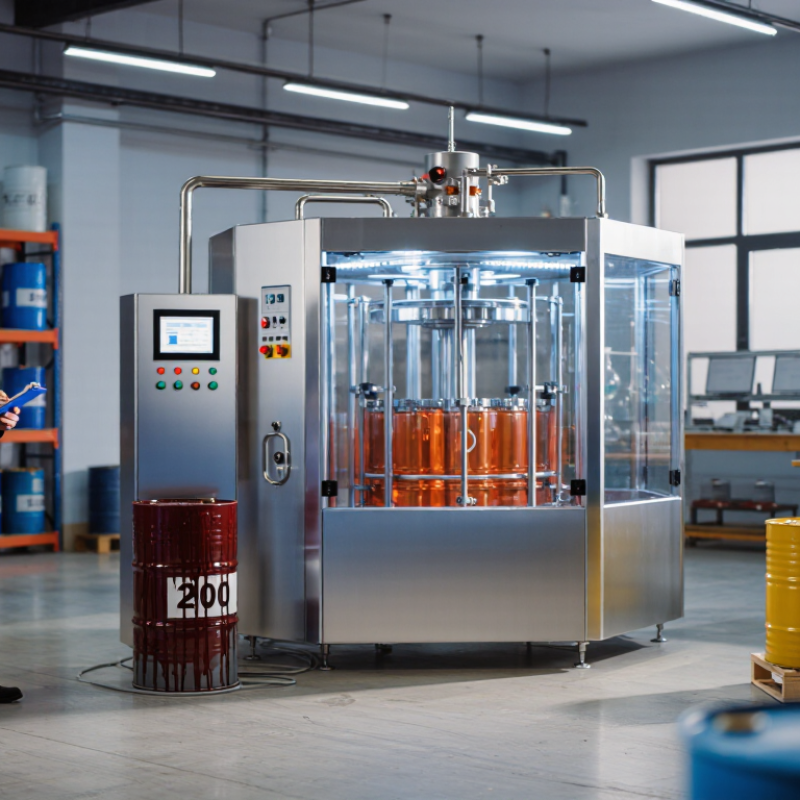
Choosing solvent recycling equipment starts with a clear picture of what enters the process. List each solvent by name, estimated volume, and source. A rinse stream from cleaning may contain water, pigments, or fine solids; a used production solvent may include several dissolved compounds. These differences affect separation needs, heat input, and residue handling.
Small details matter. Record how the waste changes over time, not just its average composition. Check safety data sheets, process records, and representative samples, then note uncertainty where measurements are incomplete. A single sample can miss a shift change or a batch-specific contaminant. Keep them separate. Combining streams too early can make recovery harder and obscure the true equipment requirements. Also document boiling ranges, water content, suspended particles, and whether materials may react when mixed. Ask operators what they actually see: haze, sediment, strong color, or a persistent odor can point to issues that records overlook. Odor alone is not a reliable identification method.
Use this information to define the desired recovered-solvent quality and the expected waste residue. Consider whether feed composition is stable, how often cleaning occurs, and what happens during shutdowns. I have seen equipment estimates look precise while their feed assumptions were not. Recheck those assumptions with process staff before selecting capacity or separation stages. Some uncertainty will remain; make it visible rather than hiding it in an average.
Determine how much solvent your process actually sends for recovery. Record the volume collected per batch or shift, then check how often the still can run. A unit sized only for average use may fall behind during busy weeks. Peaks matter.
Allow for operating time, not just the equipment’s stated capacity. Loading, heating, cooling, and cleaning all take time. For example, a shop collecting 80 liters daily may need more than an 80-liter-per-day rating if cycles cannot run continuously. Leave some breathing room. The right margin depends on solvent type, batch size, and work schedule, so confirm estimates with operating records or a qualified equipment specialist.
Purity is a separate requirement. Ask what the recovered solvent must do in the next process, and identify limits for water, residue, or mixed solvents. A cleaning task may tolerate variation; a coating or process-sensitive application may not. Check recovered samples using an appropriate test method, rather than relying only on appearance or odor. Clear liquid is not proof of suitable purity. If the acceptable range is uncertain, run a small trial and compare performance with fresh solvent. That trial can expose a gap in the specification, too. It is easy to overlook.
Determine Required Recovery Capacity and Purity
Example planning scenarios show daily recovery capacity alongside target recovered-solvent purity. Actual performance depends on solvent composition, contamination, operating conditions, and the required specification. Confirm capacity and achievable purity with process-specific testing before selecting equipment.
Solvent recycling equipment differs in how it separates contaminants, handles heat, and fits production needs. Batch distillation suits varied, smaller waste streams: operators load a kettle, heat the mixture, and collect condensed solvent. Continuous distillation can support steady, higher-volume flows, but needs consistent feed and closer process control. Simple filtration removes particles; it does not separate dissolved materials with different boiling points. Choose based on solvent composition, daily volume, required purity, and available floor space—not capacity claims alone.
The U.S. Environmental Protection Agency’s National Recycling Strategy sets a goal of a 50% national recycling rate by 2030. That is a broad materials target, not a solvent-recovery performance guarantee. Treat it as context, and request test data for your own waste stream. Compare recovery yield, energy use, cycle time, residue handling, and maintenance access. A clear sight glass and a reachable filter can matter on a busy shift. Results may vary when feed composition changes; that detail is easy to underestimate.
Choosing solvent recycling equipment starts with the hazards of the actual process, not a catalogue photograph. Check whether the unit includes grounded connections, secure seals, temperature controls, and clear emergency shutdowns. Ask how vapors are contained and where exhaust air is routed. A door interlock can help, but it cannot replace staff training or routine inspection. Small leaks matter.
Utilities shape daily operation. Confirm electrical supply, ventilation capacity, cooling needs, and any compressed-air requirements before installation. Compare expected batch size with the equipment’s working capacity; an oversized unit may waste energy, while a small one can create production delays. Request operating data for your solvents and typical cycle conditions. Estimates are useful, though real performance may differ.
Regulatory requirements depend on location, solvent type, quantities, and how the process is operated. Review applicable fire, workplace-safety, air-emission, and waste-handling rules with qualified safety or environmental staff. Keep documentation for operating limits, maintenance, training, and collected residues. Requirements can change, and a supplier’s general guidance may not settle every site-specific question. I would also walk the proposed installation area before purchase. A narrow service aisle or poorly placed exhaust connection can become an expensive oversight.
A recycling system’s purchase price tells only part of the story. Estimate energy use, labor, filters, seals, and routine cleaning across a typical operating year. Compare those costs with your actual solvent volume and recovery needs, not a supplier’s best-case estimate. Small losses add up.
Maintenance deserves close attention. Ask how often the still, condenser, and collection vessel need inspection, and which parts operators can safely replace. A clear maintenance schedule helps prevent unexpected downtime. Keep records of cleaning time and replacement parts during a trial; real figures may differ from the proposal.
Supplier support matters when equipment behaves differently under your process conditions. Look for practical commissioning, operator training, accessible technical help, and clear service response times. Ask whether support includes troubleshooting unusual residue buildup or fluctuating recovery rates. Get the details in writing. A brief site visit can reveal workflow issues that a brochure misses, though even a careful assessment cannot predict every maintenance problem.