What is HPMC and How is it Used in Various Industries?
Hydroxypropyl methylcellulose, or HPMC, is a versatile compound. It has gained popularity in various industries. This cellulose derivative is known for its binding, thickening, and film-forming properties.
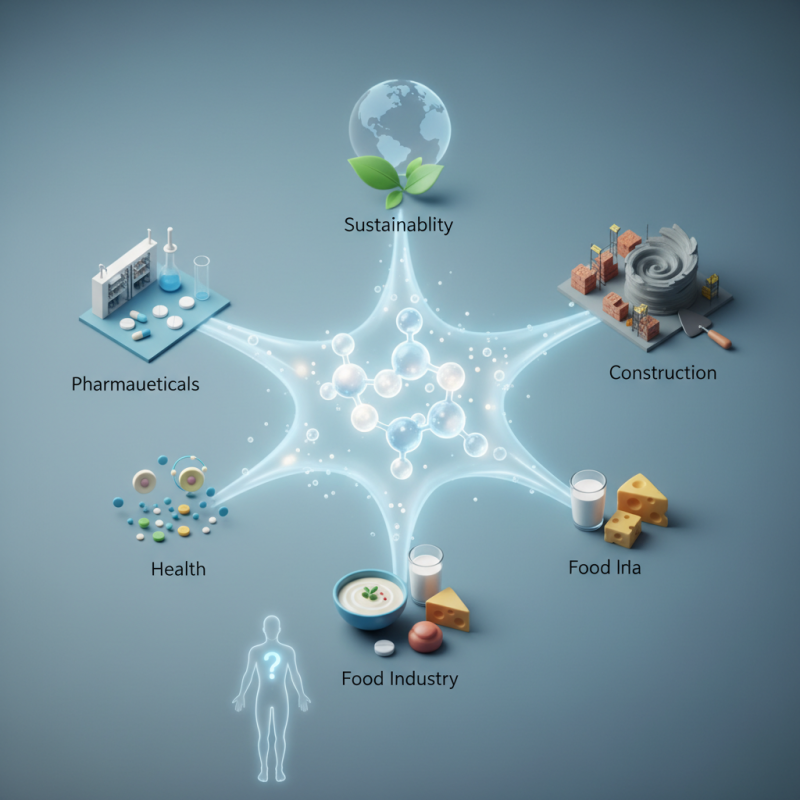
HPMC finds applications in pharmaceuticals, construction, and food industries. In pharmaceuticals, it acts as a binder in tablet formulations. In construction, it enhances the workability of cement-based products. Its role in food includes being a thickener and stabilizer in various food formulations.
Despite its widespread use, there are areas requiring improvement. For instance, the sourcing of HPMC can impact sustainability efforts. Additionally, its long-term effects on health need more research. These factors highlight the importance of responsible usage and a deeper understanding of HPMC's implications across industries.
What is HPMC and Its Chemical Composition?
Hydroxypropyl methylcellulose (HPMC) is a cellulose ether that is derived from natural cellulose. Its chemical structure includes methoxy and hydroxypropyl groups. This unique composition allows HPMC to function effectively as a thickening agent, stabilizer, and film-forming agent. Research indicates that HPMC can vary in viscosity and gel-forming properties, depending on its molecular weight and degree of substitution. These variations influence its applications across different industries.
In the construction sector, HPMC is valued for its water retention and workability properties. In a report by the Global Construction Chemicals Market, the demand for HPMC is expected to grow by 5.1% annually. This growth reflects its importance in producing high-performance mortar and cement pastes. Such mixtures benefit from HPMC's ability to enhance adhesion and provide a smoother application process. However, some challenges arise with its performance in extreme conditions. Manufacturers often need to balance formulations to achieve optimal results under variable humidity and temperature.
HPMC is also extensively used in the pharmaceutical industry. Its properties allow it to serve as a controlled-release agent in tablets. According to a pharmaceutical research journal, HPMC-based formulations can improve drug bioavailability and stability. Yet, inconsistencies in manufacturing processes can lead to variability in drug release profiles. This highlights the need for rigorous quality control to ensure consistent performance in HPMC-inclusive formulations.
Properties of HPMC that Make It Valuable Across Industries
Hydroxypropyl Methylcellulose (HPMC) is a versatile compound with unique properties. It is a white, odorless powder that dissolves in cold water. This allows for a range of applications across various industries. One key property is its ability to form gels. This gel-forming capability makes HPMC ideal for thickening solutions. It also acts as a stabilizer, improving consistency in products.
Another valuable property of HPMC is its film-forming ability. This characteristic is essential in construction materials. It enhances adhesion and flexibility in mixtures. Furthermore, HPMC is non-toxic and biodegradable, appealing to eco-conscious manufacturers. However, its effectiveness can vary significantly based on the formulation.
In the food industry, HPMC serves as a fat replacer, improving texture while reducing calories. The pharmaceutical sector benefits from its binding properties, ensuring even distribution of active ingredients. There are challenges, though—achieving the right viscosity can be tricky. Trial and error may be necessary for optimal results. Experimentation is important to harness HPMC’s full potential in innovative ways.
Applications of HPMC in the Construction Sector
HPMC, or Hydroxypropyl Methylcellulose, plays a crucial role in the construction sector. This versatile polymer is ideal for various applications. It enhances the performance of mortars, adhesives, and other building materials.
In recent years, the global market for HPMC in construction has expanded significantly. Reports suggest a growth rate of over 6% annually. Builders value HPMC for its ability to improve workability and provide better adherence. Mortars with HPMC often exhibit enhanced water retention. This trait leads to better bonding and durability in finished structures.
Despite its benefits, some challenges exist. HPMC can be sensitive to temperature and humidity. Improper storage may result in clumping, leading to inconsistent application. Additionally, the reliance on HPMC can lead to variability based on supplier changes. Construction professionals need to remain vigilant about sourcing quality materials to ensure optimal performance.
HPMC Uses in the Food and Pharmaceutical Industries
HPMC, or Hydroxypropyl Methylcellulose, is a versatile compound. It's widely used in the food and pharmaceutical industries. This unique substance acts as a thickener, stabilizer, and emulsifier. In food, HPMC improves texture and shelf life. It helps bind ingredients, making sauces and dressings smoother.
In the pharmaceutical realm, HPMC plays a crucial role. It is used in drug formulations, such as tablets and capsules. This compound can control the release of medication over time. It also assists in ensuring the medication is easy to consume, improving patient compliance.
Using HPMC isn't without challenges. Its properties may vary based on the source. Sometimes, finding the right grade for specific applications can be tricky. The balance between thickening and emulsifying may not always achieve desired results. This requires ongoing adjustments and experimentation. Such variations highlight the importance of thorough testing in both industries.
What is HPMC and How is it Used in Various Industries?
| Industry | Application | Benefits |
| Food Industry | Thickening agent in sauces and dressings | Improves texture and mouthfeel |
| Pharmaceutical Industry | Binder in tablets and capsules | Enhances stability and bioavailability |
| Cosmetics | Emulsifier in creams and lotions | Helps maintain consistency and hydration |
| Construction | Additive in cement and mortar | Improves workability and stability |
| Agriculture | Thickener in agricultural formulations | Enhances dispersion and application efficiency |
Environmental Impact and Safety Considerations of HPMC
Hydroxypropyl Methylcellulose (HPMC) has gained popularity in multiple industries, but its environmental impact deserves attention. As a cellulose derivative, HPMC is biodegradable and does not persist in the environment like many synthetic polymers. However, its production process may involve the use of harmful chemicals. While HPMC itself is relatively safe, the broader implications of its manufacturing raise questions.
Safety is another critical aspect. HPMC is commonly used in food, pharmaceuticals, and cosmetics. In these applications, it acts as a thickening agent, stabilizer, or binder. Generally, it poses minimal risk to health. Yet, concerns arise about cross-contamination during production. There have been instances of impurities found in industrial batches. This illustrates a gap that needs addressing.
Furthermore, the disposal of HPMC products requires consideration. While it decomposes, improper disposal can lead to environmental harm. Educating industries on safer disposal methods can help mitigate these issues. The balance between utility and safety continues to challenge stakeholders. Solidifying a commitment to sustainability is necessary, but it requires concerted effort.