
Top Chamomile Extract Suppliers for Global Buyers

Choosing the right Chamomile Extract supplier requires more than comparing prices or browsing polished product pages. Global buyers need dependable quality, clear documentation, and practical communication. A strong supplier should identify the botanical species, plant part, extraction method, and active-marker range. These details help purchasing teams compare materials with greater confidence.

Reliable suppliers usually provide recent certificates of analysis, microbiological results, heavy-metal testing, and residual-solvent data. Ask for batch numbers and traceability records. Look closely at the packaging, too. A sealed foil bag, readable label, and controlled storage statement can reveal operational discipline. Samples may also show color, aroma, solubility, and consistency before a larger order begins.

Experience matters during real production. A supplier may offer excellent samples but struggle with repeat batches, shipping schedules, or sudden specification changes. Global buyers should examine minimum order quantities, lead times, export documents, and technical support. Regulatory expectations differ between markets, so responsible suppliers should communicate clearly without promising universal approval. Be cautious with exaggerated claims.

No supplier is perfect. A ranking can mislead when it ignores application needs, budget, or regional requirements. The best choice depends on whether the extract will support supplements, cosmetics, beverages, or another lawful product category. Buyers should record their findings and request clarification when information feels incomplete. A careful review may take longer, but it can prevent costly reformulation and delayed shipments. This guide examines leading supplier qualities through a practical, evidence-focused lens, while recognizing that even experienced buyers must keep testing, questioning, and improving their sourcing decisions.
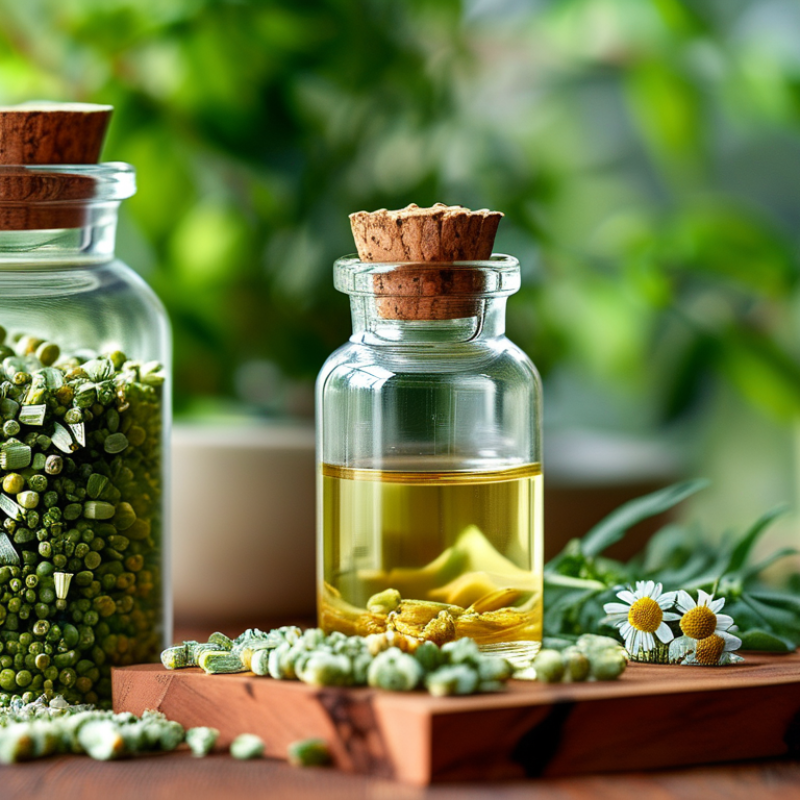
Top Chamomile Extract Suppliers for Global Buyers

What Chamomile Extract Is and Why Global Buyers Need It

Top Chamomile Extract Suppliers for Global Buyers

Chamomile extract is a concentrated botanical ingredient made from chamomile flowers. Manufacturers usually extract key compounds with water, ethanol, or another permitted solvent. Apigenin is one commonly monitored compound. However, its level can vary by species, harvest season, and processing method.

Global buyers need clear specifications before approving a supplier. Confirm the botanical name, plant part, extraction ratio, solvent details, and active-compound range. A reliable supplier should provide a current certificate of analysis, microbiological results, and tests for heavy metals, pesticides, and residual solvents.

Check the powder’s color, aroma, moisture, and packaging condition. These details often reveal storage problems. A perfect-looking powder is not proof of quality.

Tips: Request a small sample first. Compare it with the technical sheet. Ask for batch-specific documents, not generic files. Verify whether the extract suits tea, supplements, cosmetics, or other lawful applications. Import rules differ between countries, and labels may require local review. Some purchasing teams focus only on price. That can be a mistake. Supply consistency, traceability, and realistic lead times matter more than a small initial saving. No supplier is flawless, so record unanswered questions and review them before signing.

Key Standards for Evaluating Chamomile Extract Suppliers

For global buyers, supplier evaluation should begin with identity, not price. HerbalGram’s 2024 market report recorded U.S. herbal supplement sales of approximately $12.6 billion in 2023, showing strong demand for botanical ingredients. That demand also increases the risk of inconsistent extracts. Ask suppliers to provide botanical name, plant part, extraction solvent, country of origin, and harvest details. Paper is not proof. Request a recent certificate of analysis for every production lot, not only a template.

A reliable chamomile extract supplier should confirm marker compounds through HPLC, while GC-MS can help verify volatile components. The European Medicines Agency’s chamomile monograph supports using pharmacopoeial identity and quality controls for medicinal preparations. Test results should cover apigenin-related markers, microbiological limits, heavy metals, pesticide residues, and residual solvents. Confirm laboratory accreditation and testing dates. A sealed sample should match the tested batch, including color, odor, and powder texture. Details matter.

Supply continuity also deserves scrutiny. Review three consecutive batch records, deviation reports, and stability data under realistic storage conditions. Humidity can change a pale powder into a compact, uneven material. A low quotation may hide weaker testing or unstable sourcing. I would not treat a polished PDF as evidence of expertise. Some suppliers provide impressive specifications but cannot explain their sampling plan. That is a warning. Buyers should also check packaging, allergen statements, traceability exercises, and written procedures for recalls or complaints. Supplier selection is partly technical judgment, and partly disciplined doubt.

Leading Supplier Regions and Their Product Strengths

Top Chamomile Extract Suppliers for Global Buyers

Egypt remains a strong sourcing region for chamomile flowers and extracts. Its dry climate supports low-moisture raw material with visible yellow flower heads. Suppliers commonly offer apigenin-rich extracts, tea-grade flowers, and cosmetic ingredients. The CBI natural ingredients report identifies Egypt as an important botanical supplier to European markets. Buyers should still verify pesticide results, harvest dates, and botanical identity. “Egyptian origin” alone proves little.

Germany and Poland are valued for tighter processing controls and standardized extracts. Their facilities often provide water or ethanol extracts with measured flavonoid content. European buyers may request documentation aligned with the European Pharmacopoeia, ISO 22000, or HACCP systems. India adds flexible batch sizes and competitive processing costs. Its strength is customization, but supply consistency can vary between seasons. Grand View Research’s 2024 botanical extracts analysis reports continuing growth in plant-based ingredients, driven by food, personal care, and supplement demand. The report supports regional diversification, not blind purchasing.

Tips: Ask for a recent certificate of analysis, including apigenin, moisture, microbiology, heavy metals, and residual solvents. Request a retained sample from the same lot. Compare extraction ratios carefully; a 10:1 label may not indicate equivalent potency. One weakness in many market reports is limited chamomile-specific data. That makes supplier audits and small pilot orders more valuable than impressive market forecasts.

How to Compare Quality, Pricing, and Supply Capacity

Top Chamomile Extract Suppliers for Global Buyers

Comparing chamomile extract suppliers starts with identity, not price. The European Medicines Agency’s herbal monograph on Matricaria recutita highlights the importance of botanical identity, plant part, and preparation method. Ask for the Latin name, extraction solvent, extract ratio, and marker compounds such as apigenin. A clear certificate of analysis should also show moisture, microbial limits, pesticides, heavy metals, and residual solvents.

Check the numbers carefully. The WHO Global Report on Traditional and Complementary Medicine 2019 states that 170 of 194 member states reported using traditional medicine. This supports steady botanical demand, but it does not prove every market forecast. Industry reports often combine chamomile flowers, essential oil, and concentrated extracts. That makes direct price comparisons unreliable. I would question any unusually cheap quote.

Landed cost matters more than the invoice price. Compare testing fees, packaging, freight, duties, and expected product loss. Request three recent batch records, not one polished sample. Supply capacity needs equal scrutiny. Confirm annual output, minimum order quantity, lead time, harvest-season risks, storage conditions, and backup raw-material sources. A supplier offering 20 tonnes may lack consistent assay control. That detail is easy to miss. An honest qualification process should record failed tests, delayed shipments, and specification changes. Perfect histories deserve careful review.

Top Chamomile Extract Suppliers for Global Buyers - How to Compare Quality, Pricing, and Supply Capacity
The figures below are practical market-reference ranges for global procurement. Actual specifications, pricing, minimum order quantities, and production capacity should be confirmed through current quotations, technical data sheets, certificates of analysis, and independent audits.
Supplier Profile Typical Extract Format Standardization / Quality Marker Recommended Testing Requirements Indicative Price Range Typical MOQ Typical Lead Time Estimated Annual Supply Capacity Documentation Level Best Fit
Small-batch botanical specialist Chamomile flower extract powder; commonly water or hydroalcoholic extracted Usually specified by extract ratio, such as 4:1 to 10:1; apigenin may be declared when analytically verified Identity testing, moisture, ash, microbial limits, heavy metals, pesticide residues, residual solvents, and apigenin assay where applicable US$35–80 per kg for standard powder 25–100 kg 3–8 weeks 5–30 metric tons per year Basic to moderate; batch COA and specification sheet normally available ★★★★☆
Mid-sized standardized extract producer Fine powder or granulated extract for dietary supplements, foods, and beverages Commonly standardized to a declared apigenin range or a controlled extract ratio; typical apigenin specifications require method confirmation Botanical identity, HPLC or validated marker assay, microbial panel, aflatoxins, pesticides, heavy metals, residual solvents, and stability data US$45–110 per kg, depending on marker content and processing 100–500 kg 4–10 weeks 30–150 metric tons per year Good; technical dossier, COA, allergen statement, and traceability records generally available ★★★★★
Large-volume contract manufacturer Bulk Chamomile Extract Powder, liquid extract, or custom-blended formulation Batch-to-batch control based on extract ratio, marker compound, moisture, particle size, and physical performance Full release testing, validated analytical methods, contaminant screening, process validation, and retained samples US$25–70 per kg for high-volume standard grades 500–2,000 kg 6–14 weeks 150–800 metric tons per year High; quality agreements, audit support, change-control procedures, and full batch records may be available ★★★★★
Organic-certified ingredient supplier Certified organic chamomile extract powder or organic liquid concentrate Organic status supported by a valid certificate; extract ratio and marker content vary by product specification Organic certificate verification, botanical identity, pesticide residue panel, microbial testing, heavy metals, moisture, and solvent declaration US$55–140 per kg for powder, depending on certification and concentration 100–500 kg 6–12 weeks 20–120 metric tons per year High when certification and chain-of-custody records are current ★★★★★
Cosmetic-grade extract producer Water-soluble liquid extract, glycerin extract, or low-odor powder for topical formulations Usually controlled by botanical identity, solids content, preservative system, color, odor, and microbial limits rather than apigenin alone Microbial limits, preservative efficacy where relevant, heavy metals, pesticide residues, stability, pH, appearance, and dermatological documentation when required US$12–45 per kg for liquid extracts; US$30–90 per kg for powders 25–200 kg 3–8 weeks 20–200 metric tons per year Moderate to high; cosmetic specification, INCI information, SDS, and preservation data commonly available ★★★★☆
Pharmaceutical-grade or highly controlled producer Highly purified extract or tightly standardized fraction for regulated applications Defined marker-compound range, strict impurity profile, controlled residual solvents, and validated manufacturing process Validated assay, identity, impurity profile, residual solvents, elemental impurities, microbial limits, stability, and comprehensive batch-release testing US$100–300+ per kg, depending on purity and regulatory controls 50–500 kg 8–20 weeks 5–80 metric tons per year Very high; audit packages, quality agreements, validation summaries, and detailed batch documentation may be available ★★★★★
Trader or distribution supplier Standard powder or liquid extract sourced from one or more manufacturing facilities Depends on the original producer; extract ratio and marker declaration must be verified against the manufacturing COA Current COA, supplier traceability, identity testing, microbial limits, heavy metals, pesticide residues, and residual solvent data US$40–120 per kg, often including warehousing and smaller order volumes 5–100 kg 1–5 weeks from stock; 6–12 weeks for replenishment 10–300 metric tons per year through multiple sources Variable; verify manufacturing origin, lot traceability, and certificate validity ★★★☆☆
Buyer checklist: Compare like-for-like products by extract ratio, apigenin or total flavonoid specification, solvent system, moisture, microbial limits, pesticide controls, heavy-metal limits, certification status, packaging, Incoterms, payment terms, and the supplier’s ability to maintain consistent specifications across multiple production lots.

Essential Questions for Selecting a Reliable Global Supplier

Top Chamomile Extract Suppliers for Global Buyers

A reliable supplier should answer difficult questions without hesitation. Which species is used, and where was it cultivated? German chamomile and Roman chamomile differ in aroma, marker compounds, and commercial use. Ask for batch-specific certificates showing apigenin content, extraction solvent, moisture, microbial limits, pesticides, and heavy metals. A polished certificate is not proof. Laboratories should be independent, methods should be identified, and results should match the lot shipped.

Traceability matters. Can the supplier link the finished extract to farm records, harvest dates, drying temperatures, and warehouse conditions? The United Nations Food and Agriculture Organization stresses that post-harvest handling strongly affects botanical quality. Request retention samples, sealed packaging photographs, and shipment stability data. One overlooked detail can damage an entire production run. Check whether the supplier follows recognized quality systems, such as GMP or ISO 22000, and verify audit dates rather than accepting logos alone.

Commercial evidence is equally important. A 2024 Grand View Research assessment projects steady growth in the global chamomile extract market, at roughly 7% annually through 2030. Rising demand increases pressure on consistency, pricing, and supply continuity. Ask about minimum order quantities, lead times, dual sourcing, and recall procedures. Request three recent batch records, not one perfect example. Buyers should also confirm labeling and import documentation with qualified local specialists, because requirements vary by destination. Suppliers may be experienced, yet still imperfect. That is where careful verification begins.

Top Chamomile Extract Suppliers for Global Buyers

Essential questions for selecting a reliable global supplier include botanical identity, active-compound testing, contamination control, traceability, documentation, and export capability. This 100-point reference framework helps buyers compare suppliers consistently without relying on brand names.

Scroll to Top