What is Liquid Calcium Zinc PVC Stabilizer Benefits and Uses?
The demand for environmentally friendly alternatives in the PVC industry is rising. Liquid Calcium Zinc PVC Stabilizer has emerged as a key player. It offers a safer alternative to traditional stabilizers, reducing the environmental impact of PVC products. According to a recent industry report by Smith & Associates, the use of liquid calcium zinc stabilizers has been linked to a 30% reduction in harmful emissions.
Expert Dr. Emily Thompson, a renowned figure in polymer chemistry, states, "Liquid Calcium Zinc PVC Stabilizer represents a significant advancement in sustainable materials." This stabilizer is not only effective but also contributes to improved product durability and longevity.
Despite its advantages, it is important to note that transitioning to Liquid Calcium Zinc may present initial challenges. Manufacturers often face a learning curve in formulation adjustments. Additionally, sourcing quality materials can be complex. Nonetheless, the benefits in terms of safety and environmental compliance underscore the importance of this innovative solution.
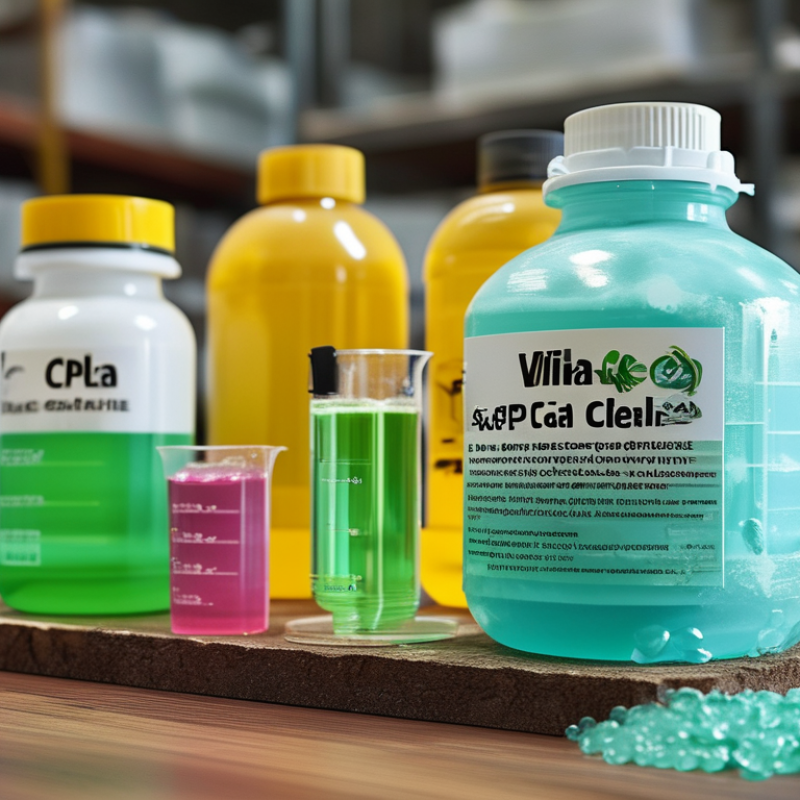
What is Liquid Calcium Zinc PVC Stabilizer?
Liquid calcium zinc PVC stabilizer is an important additive in the plastic industry. It serves to improve the thermal stability of PVC products. This stabilizer has gained popularity due to its non-toxic nature. Unlike traditional stabilizers, it does not release harmful substances during processing.
This stabilizer is especially useful in the production of flexible and rigid PVC products. It enhances the color retention and mechanical properties of the finished product. Many manufacturers appreciate its ability to provide long-lasting performance. However, like any material, its effectiveness can vary based on usage conditions.
One potential concern is the balance between cost and performance. Some users may find it more expensive than other stabilizers, but the benefits often outweigh the costs. It's essential to evaluate specific formulations and applications carefully. An optimal blend can lead to improved durability and sustainability in end products.
Key Components and Composition of Liquid Calcium Zinc Stabilizers
Liquid Calcium Zinc PVC stabilizers play a crucial role in enhancing the performance of PVC products. These stabilizers replace traditional lead-based alternatives, leading to safer and more environmentally friendly outcomes. The key components include calcium, zinc, and organic materials. Each of these components contributes uniquely to the stabilization process.
Calcium acts as a non-toxic agent, providing thermal stability during processing. It helps in maintaining clarity and color in final products. Zinc, on the other hand, serves as an effective antioxidant, protecting against degradation. This combination minimizes waste and ensures longer-lasting products. While these stabilizers offer several benefits, they also require careful formulation. The right balance of each component is essential for optimal performance.
Understanding the specific applications of these stabilizers is vital. They are suitable for making pipes, profiles, and films. However, achieving the right blend can be challenging. The industry still grapples with finding the perfect ratios. Despite advances, variations in product quality sometimes occur. These factors remind us of the complexity of developing reliable stabilizing agents.
Benefits of Using Calcium Zinc Stabilizers in PVC Applications
Calcium zinc stabilizers have become crucial in PVC applications. They offer several benefits that enhance performance and sustainability. One significant advantage is their non-toxic nature compared to traditional lead-based stabilizers. This shift aligns with global trends towards safer materials. According to the Vinyl Institute, the use of calcium zinc stabilizers can reduce hazardous waste output significantly, promoting environmentally friendly practices.
Another key benefit is thermal stability. Research indicates that calcium zinc stabilizers can maintain the physical properties of PVC even at elevated temperatures. They prevent degradation during processing and storage. This stability extends the lifespan of PVC products, making them more reliable. A study from the European Council of Vinyl Manufacturers showed that these stabilizers improved the longevity of PVC by up to 30%. This increased durability is vital for construction and automotive sectors, where material failure can have serious implications.
Moreover, the versatility of calcium zinc stabilizers adds to their appeal. These stabilizers can be used across various applications, from building materials to medical devices. However, it is essential to consider the challenge of consistent performance across different formulations. Manufacturers must carefully assess their specific needs. Adjusting the composition can sometimes lead to unexpected outcomes, requiring further research and development.
Comparison of Liquid Calcium Zinc with Other PVC Stabilizers
Liquid Calcium Zinc (CaZn) stabilizers offer significant advantages over traditional PVC stabilizers. Unlike lead-based stabilizers, CaZn is safer and environmentally friendly. The demand for safer alternatives has increased. According to recent industry reports, the use of CaZn stabilizers in the PVC market has grown by 25% over the past five years. This shift reflects a broader commitment to sustainability in the plastics industry.
When compared to other stabilizers, such as barium-cadmium or organotin, Liquid Calcium Zinc stabilizers provide superior thermal stability. They are known for their low volatility and excellent processing characteristics. Furthermore, they have a more favorable health and environmental profile. Reports indicate that CaZn stabilizers can maintain product performance while reducing hazardous waste. This is an important factor for manufacturers looking to comply with stricter regulations.
However, challenges remain. While CaZn stabilizers are effective, they can be more costly than traditional options. Some manufacturers hesitate to switch due to this upfront investment. They may question whether the long-term benefits justify the cost. A thorough cost-benefit analysis is essential. The transition toward greener alternatives like CaZn lends itself to ongoing debate in the industry. This discourse is vital for fostering innovation and improving practices.
Applications of Liquid Calcium Zinc Stabilizers in Various Industries
Liquid Calcium Zinc Stabilizers are gaining traction in various industries due to their unique benefits. They offer an eco-friendly alternative to traditional stabilizers. Many manufacturers are turning to these stabilizers for their ability to maintain product quality over time. These stabilizers are effective in enhancing heat stability, weather resistance, and transparency in plastics.
In the construction industry, liquid calcium zinc stabilizers are used in the production of PVC profiles and pipes. This application ensures durability and longevity. Additionally, they are employed in the automotive sector for manufacturing interior and exterior parts. The use of these stabilizers contributes to the production of safer and more sustainable automotive products.
The packaging industry also benefits from liquid calcium zinc stabilizers. They improve flexibility and transparency in plastic films, which is essential for maintaining product visibility. However, challenges remain in ensuring consistent quality across batches. Manufacturers must continually assess their processes to overcome these hurdles. Regular testing and adjustment are crucial to achieving optimal performance.