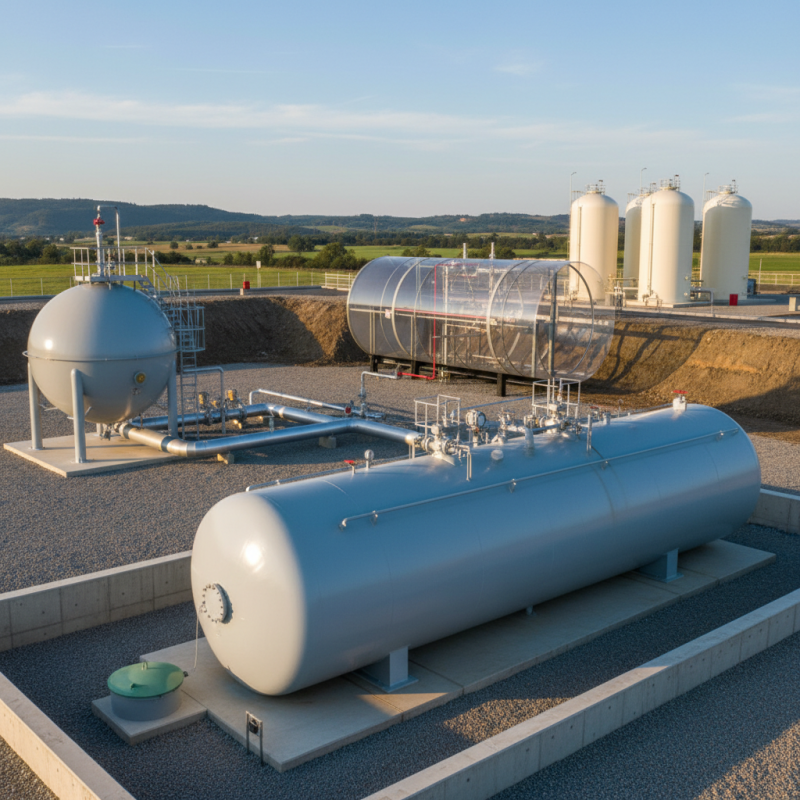
LPG Storage Tank Types and Their Key Features Explained?
LPG Storage Tank systems play a crucial role in energy storage. These tanks store liquefied petroleum gas safely and efficiently. Understanding the types of LPG storage tanks can help in selecting the right one for specific needs.
There are several key features to consider when choosing an LPG Storage Tank. These include size, material, and pressure ratings. Each type offers unique advantages and limitations. Some tanks are designed for above-ground use, while others are underground. Each option has its potential benefits and risks.
It's not always clear which tank is best for your situation. Some tanks may not meet local regulations. Others might require more maintenance than expected. Therefore, it’s vital to thoroughly research before making a decision. An informed choice can enhance safety and operational efficiency in the long run.
LPG Storage Tank Overview: The Basics of LPG Storage Solutions
LPG storage solutions play a vital role in energy management. They ensure safe and efficient handling of liquefied petroleum gas. Various types of tanks are available on the market. Each type has unique features suited for different needs.
Vertical and horizontal tanks are the most common. Vertical tanks save space and are ideal for smaller sites. Horizontal tanks are great for larger operations. They often require more land area but provide better stability. It is essential to consider the site’s space when choosing a tank type.
A key feature of LPG tanks is their insulation. Proper insulation maintains gas temperature effectively. It prevents pressure fluctuations, ensuring safe storage. However, some tanks may lack adequate insulation. This could lead to safety concerns. Regular inspections are important to identify such issues and enhance safety measures.
Different Types of LPG Storage Tanks: A Comprehensive Classification
LPG storage tanks are vital for safe gas handling. They come in various types, each with unique features. Understanding these tanks helps ensure compliance and safety in storage protocols.
There are two main categories: above-ground and underground tanks. Above-ground tanks, usually cylindrical, are easier to inspect. They require regular maintenance due to exposure to environmental factors. In contrast, underground tanks offer better protection from weather and potential accidents. However, locating leaks can be challenging. Industry data suggests that above-ground tanks are more likely to experience corrosion issues, leading to safety concerns.
The size of the tank is also crucial. Large tanks are ideal for industrial use, holding thousands of liters. Smaller, portable tanks suit residential needs. Reports indicate that residential tanks make up about 45% of the LPG storage market. But these tanks often lack proper maintenance, potentially leading to hazardous situations. Selection of the right type depends on various factors like space, regulatory requirements, and safety measures. Balancing these aspects is essential for effective LPG management.
LPG Storage Tank Types and Their Key Features Explained
| Tank Type | Capacity (Liters) | Material | Installation Type | Key Features |
| Above Ground Tank | 1,000 - 50,000 | Carbon Steel | Above Ground | Easily accessible, low installation cost |
| Underground Tank | 500 - 20,000 | Fiberglass/Steel | Underground | Space-saving, less visible, protected from weather |
| Portable Tank | 100 - 1,000 | Aluminum/Steel | Mobile | Lightweight, easy to transport |
| LPG Sphere Tank | 10,000 - 200,000 | Steel | Above Ground | Optimal pressure handling, minimal stress on structure |
| Vertical Tank | 1,000 - 10,000 | Carbon Steel | Above Ground | Space-efficient, easy to maintain |
Key Features of Aboveground LPG Storage Tanks and Their Applications
Aboveground LPG storage tanks come in various designs, each tailored for specific uses. These tanks are often made from steel or fiberglass, providing durability. They can hold significant volumes of liquefied petroleum gas. Their applications range from residential heating to industrial energy supply.
One key feature is their accessibility. Maintenance and inspections are easier compared to underground tanks. This visibility helps in identifying potential leaks early. However, this also means they are more exposed to environmental factors. Weather and temperature changes can impact gas behavior and tank integrity. Regular checks are necessary to mitigate these risks.
Temperature control systems are crucial for these tanks. They manage the gas's state and pressure effectively. Poor temperature regulation can lead to overpressure situations, which can be dangerous. Operators must remain vigilant and proactive. Reliable monitoring systems are essential to ensure safe operations. Carefully assessing all features is vital for any effective LPG storage solution.
Essential Characteristics of Underground LPG Storage Tanks Explained
Underground LPG storage tanks are widely utilized in various industrial applications. They offer several essential characteristics that enhance safety and efficiency. One key feature is their ability to minimize the risk of leaks and gas emissions. According to industry studies, underground tanks present a 70% reduced risk of environmental contamination compared to above-ground alternatives. Their physical location underground helps in temperature regulation, reducing pressure fluctuations during storage.
Moreover, these tanks provide excellent security against external hazards and natural disasters. This aspect is especially vital in areas prone to flooding or extreme weather. Recent data indicates that over 50% of LPG-related incidents are linked to above-ground storage. Additionally, underground systems are less susceptible to vandalism and other external threats. The design must, however, incorporate adequate ventilation to ensure safety during filling and draining processes.
Installation and maintenance practices also warrant attention. Adhering to local regulations is crucial for operational integrity. Many facilities struggle with compliance, highlighting the need for thorough inspections and regular maintenance schedules. Popular reports reveal that up to 30% of underground tanks are not inspected according to standards. This oversight can lead to unnoticed wear and tear, potentially leading to failures. Balancing these characteristics with operational efficiency remains an ongoing challenge for industry professionals.
LPG Storage Tank Types and Their Key Features
This bar chart compares the storage capacities of different types of LPG tanks: Above Ground, Underground, Bullet, and Sphere tanks. Each type has its unique characteristics and applications, which influence their choice for storage in various environments.
Safety Considerations and Regulations Governing LPG Storage Tanks
When dealing with LPG storage tanks, safety is paramount. The National Fire Protection Association (NFPA) notes that nearly 70% of reported LPG incidents arise from improper storage or inadequate equipment. It is crucial to adhere to regulations that specify tank construction, placement, and maintenance. For instance, tanks must be positioned away from buildings and populated areas to minimize risk. Many countries require at least a 10-foot clearance from structures.
Training for personnel handling LPG is critical. Lack of awareness can lead to catastrophic failures. According to a report from the U.S. Chemical Safety and Hazard Investigation Board, operator error was a factor in 30% of LPG-related accidents. Routine inspections and adherence to standards such as API 620 can significantly reduce these risks. Ultimately, adherence to safety regulations is not merely a legal obligation; it is an essential practice to protect lives and property.
Public awareness can also play a role. Community education programs can raise awareness about the risks associated with LPG storage. When people understand the dangers, they tend to report irregularities and unsafe practices. This proactive community approach is often overlooked, yet it can have a significant impact on safety outcomes. Reflecting on the need for better training and communication is vital in enhancing overall safety measures.