How to Properly Manage Solvent Waste Disposal Safely?
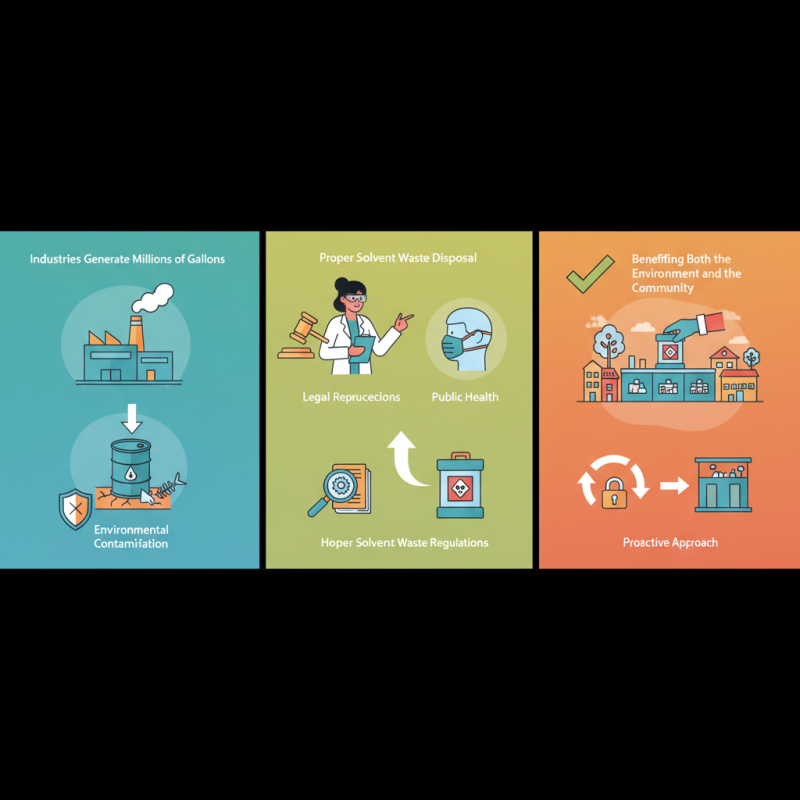
In today's industrial landscape, the importance of proper solvent waste disposal cannot be overstated. A report from the Environmental Protection Agency (EPA) reveals that improper disposal contributes significantly to environmental contamination. Industries generate millions of gallons of solvent waste annually. Inadequate management can lead to serious legal repercussions and harm to public health.
Dr. Emily Harper, a leading expert in waste management, emphasizes the gravity of the issue: "The handling of solvent waste is not just a regulatory obligation; it's a public responsibility." This highlights the urgent need for organizations to adopt vigilant waste disposal practices. High volatility and toxicity of many solvents pose risks both in storage and during disposal.
Many companies still struggle with effective disposal strategies. They often underestimate the complexities of hazardous waste regulations. Mismanagement can result in fines and environmental disasters. It is clear that a proactive approach to solvent waste disposal is essential. Recognizing these challenges can lead to more robust practices, benefiting both the environment and the community.
Overview of Solvent Waste Types and Their Environmental Impact
Solvent waste comes in various forms. Each type has unique properties and potential hazards. Common solvents include acetone, toluene, and ethanol. When disposed of improperly, they can contaminate soil and water sources. This can lead to serious ecological damage.
Volatile organic compounds (VOCs) released into the air can contribute to air pollution. These issues highlight the importance of understanding different solvent types.
For instance, halogenated solvents are particularly toxic. They can bioaccumulate in wildlife. Even small amounts can have harmful effects over time. Non-halogenated solvents, while less toxic, still require careful management. It’s easy to overlook the risks associated with everyday products. Many are unaware of the environmental impact of their choices.
Proper management requires awareness and education. Ignoring waste disposal protocols can lead to long-term consequences. Individuals and organizations must take responsibility for their actions.
Regulatory Framework Governing Solvent Waste Disposal Practices
The regulatory framework surrounding solvent waste disposal is critical in ensuring safety and environmental protection. Various organizations enforce laws. The Environmental Protection Agency (EPA) in the U.S. emphasizes proper disposal methods. According to a 2022 report by the EPA, improper disposal of solvent waste can lead to soil and water contamination, affecting both ecosystems and human health.
It's important to stay informed about federal, state, and local regulations. Each level may have different requirements for waste segregation, storage, and disposal. For example, you might find particular mandates on how to label waste containers or the types of materials allowed in each category. Missing these guidelines can lead to hefty fines or legal complications.
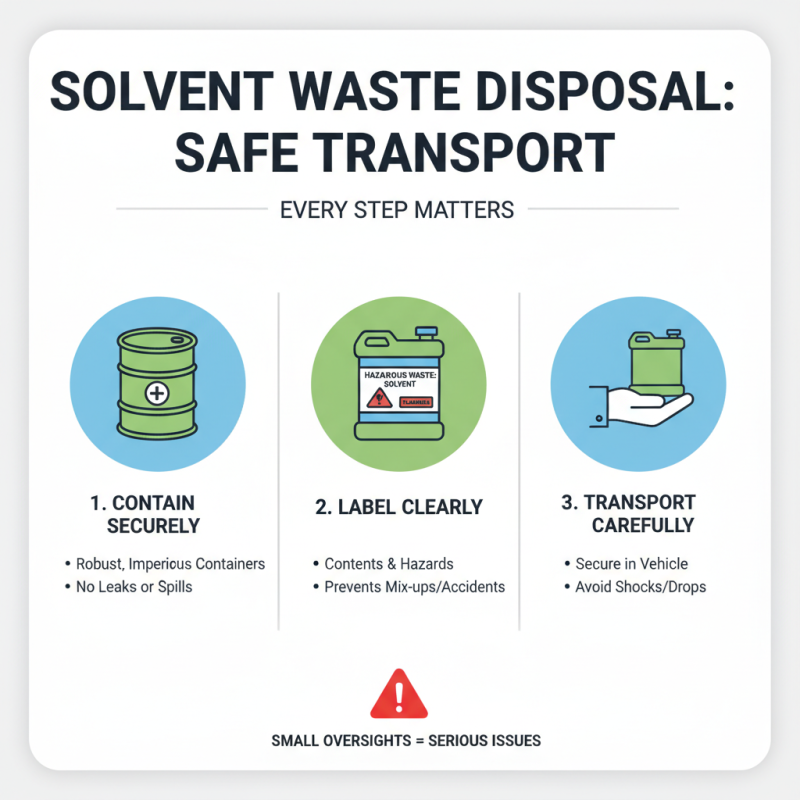
**Tip:** Always label your solvent waste containers clearly. This simple step can prevent accidents and legal issues.
Improper management can have dire consequences. A study published in the Journal of Hazardous Materials reveals that careless disposal practices have increased local pollution levels by 15% in some regions. Ensuring compliance is not just about following rules; it’s also about community responsibility.
**Tip:** Conduct regular training sessions for your team on waste disposal practices. Keeping everyone informed lowers the chances of mistakes.
Navigating the regulatory landscape can be daunting. Some businesses struggle to keep up with changes and updates. Regular reviews of the regulatory framework are essential. Make sure to audit your practices frequently.
Solvent Waste Disposal Practices
This bar chart illustrates the different types of solvent waste disposal methods and their corresponding percentage of usage in compliance with regulatory frameworks.
Best Practices for Collecting and Storing Solvent Waste Safely
Proper management of solvent waste begins with safe collection and storage. Choose suitable containers made of compatible materials. Glass and certain plastics are ideal for many solvents. Ensure containers are tightly sealed to prevent leaks and evaporation. Label each container clearly to identify its contents and associated hazards. Avoid using damaged containers; they could lead to spills.
Location matters. Store containers in a cool, well-ventilated area, away from direct sunlight and heat sources. Establish specific storage areas for different solvents to minimize chemical reactions. It’s also essential to train staff on best practices. Sometimes, people forget the basics, like proper PPE (Personal Protective Equipment) use. This oversight can lead to accidents.
Regularly inspect the storage area for signs of leaks or degradation. Containers may appear fine from the outside, but internal pressures and reactions could lead to failures. Create a routine for monitoring and disposing of waste. Delays in disposal can accumulate risks over time. Make it a priority to address these concerns efficiently and safely.
Methods for Treatment and Recycling of Solvent Waste
Solvent waste management is critical for safety and environmental protection. Proper treatment and recycling methods can help minimize waste and conserve resources. One efficient method is distillation, which separates solvents based on boiling points. This process can recover high-quality solvents for reuse. On the other hand, adsorption techniques utilize materials like activated carbon to reduce solvent levels in waste.
When dealing with solvent waste, keep safety a priority. Store waste in clearly labeled containers. Use secondary containment to prevent spills. Regularly check for leaks or degradation of containers. Engage staff in training sessions to ensure everyone understands the procedure.
Recycling solvent waste not only protects the environment, but also saves money. Solvent recovery units can be a worthwhile investment. They streamline the process and can rejuvenate up to 90% of used solvents. However, be mindful of the initial costs and the need for regular maintenance. Choosing the right method depends on the specific solvents in use and your facility's capabilities.