China Top Chemical Suppliers How to Order Chemicals?
China is the world’s largest chemical market, making reliable sourcing increasingly important for international buyers. According to Cefic’s Facts and Figures 2023, China represented approximately 44% of global chemical sales in 2022. That scale creates opportunity, but it also demands careful supplier evaluation.
When companies order chemicals from China, price should not be the only consideration. Buyers should examine product specifications, batch consistency, Safety Data Sheets, Certificates of Analysis, packaging, and export documentation. The 2024 ICIS Chemical Industry Outlook highlights continuing pressure from energy costs, freight volatility, and uneven global demand. These factors can affect delivery schedules and final purchasing costs.
“Chemistry is essential to virtually every aspect of modern life,” says Chris Jahn, President and CEO of the American Chemistry Council. His observation explains why chemical procurement requires more than a quick online quotation. A dependable supplier should communicate clearly, provide traceable documentation, and understand destination-market requirements.
Small details matter.
For example, a sealed 25-kilogram bag needs suitable labeling, moisture protection, and visible batch information. A low unit price can still become expensive after delays, rejected documents, or inconsistent quality. That sounds obvious, yet buyers sometimes overlook it.
This guide explores how to order chemicals from leading Chinese suppliers while supporting safer, more transparent purchasing decisions. No checklist removes every uncertainty. However, comparing technical evidence, production experience, certifications, logistics capability, and customer feedback can reduce avoidable risk. Where information remains unclear, professional verification is wiser than an attractive promise.
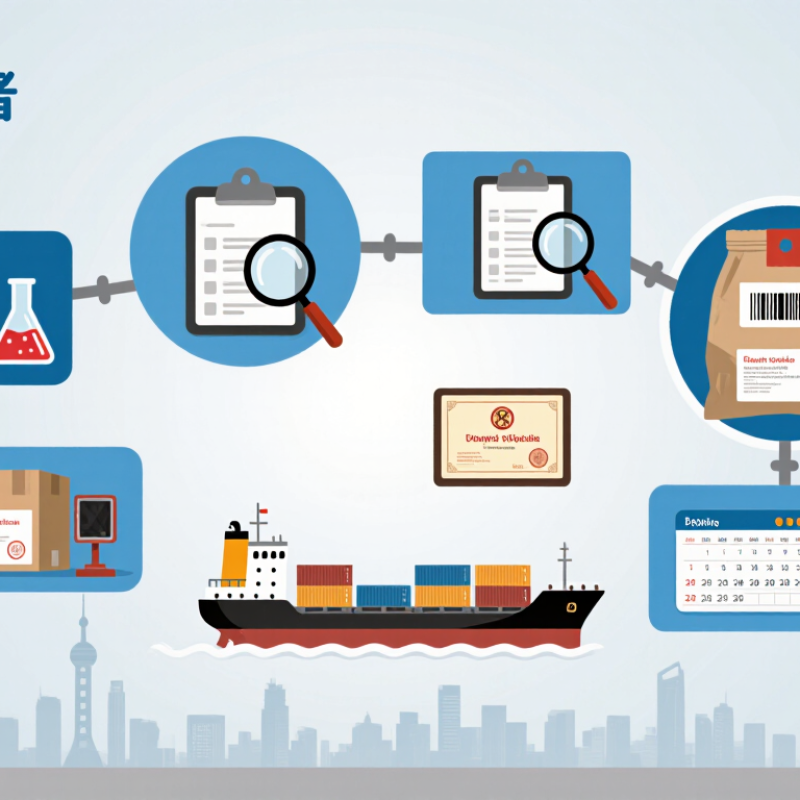
Understanding China’s Chemical Supplier Market
China’s chemical supplier market is broad, specialized, and uneven in quality. Suppliers may be manufacturers, distributors, or trading companies. Their capabilities can differ sharply, even when product names look similar. Buyers should check factory registration, production scope, export experience, and quality systems. A polished website proves little.
Before ordering, request a current specification sheet, safety data sheet, certificate of analysis, and sample. Compare purity, packaging, lead time, and minimum order quantity. Ask how each batch is tested. A reliable supplier should explain testing methods clearly. Vague answers deserve caution. Product codes and chemical names must match across every document. Small errors can create expensive delays.
Pricing is only one part of the market. A lower quote may exclude inland transport, inspection, insurance, or import duties. Confirm Incoterms, payment stages, packaging photos, and replacement terms in writing. Check whether the product meets the destination country’s chemical regulations. Requirements can change. I have seen buyers focus on price and overlook storage conditions. That mistake is understandable, but it is costly. A small trial order can reveal weak packaging, slow communication, or inconsistent quality. Keep written records and review them before placing a larger order.
China Chemical Supplier Market: Selected 2023 Production
Production scale is a useful starting point when evaluating chemical suppliers in China. Buyers should also verify product specifications, safety documentation, export eligibility, quality certifications, packaging, lead time, and Incoterms before placing an order.
Selected 2023 production volumes, rounded to the nearest million metric tonnes. Source: National Bureau of Statistics of China, industrial product output data.
Identifying Reliable Chemical Suppliers in China
China’s chemical sector is vast, not uniform. The CEFIC Facts and Figures 2024 report estimates that China represented about 43% of global chemical sales in 2023. This scale creates choice, but also noise. A reliable supplier should provide a verifiable business license, factory address, product specifications, and responsive technical support. A polished website is not evidence.
Begin with the material, not the supplier’s promises.
Request a current SDS, COA, batch number, purity method, packaging photos, and storage conditions. Compare the COA with an independent laboratory test when the order matters. UN Comtrade data can help check a supplier’s stated export activity and product classification. Yet trade records may show a trading company, not the actual producer. Ask for a recent factory audit or a live production video. Small details matter: sealed drums, readable labels, and consistent lot numbers.
Compliance should be checked before payment.
Review applicable transport, labeling, import, and environmental requirements in the destination country. ISO 9001 or ISO 14001 certificates can support credibility, but certificates alone prove little. I have seen buyers focus on price and overlook moisture limits or delivery temperature. That mistake becomes expensive. Start with a small sample order, define inspection rights, and record every specification in the purchase contract. Some suppliers may resist. That is useful information.
Comparing Quotes, Minimum Orders, and Payment Terms
When ordering chemicals from China, compare more than the headline price. CEFIC’s Facts and Figures 2023 valued global chemical sales at about €5.7 trillion in 2022. That scale creates intense price competition, but low pricing may hide testing, packaging, or documentation costs. Request itemized quotes showing purity, specification, Incoterm, freight basis, insurance, and validity period. Verify the specification against the product’s SDS and certificate of analysis.
Minimum order quantities deserve careful negotiation. A factory may quote 1,000 kilograms, while your trial requires only 100 kilograms. Ask whether a smaller pilot batch is possible, and record any surcharge clearly. A practical comparison should calculate the landed cost per usable kilogram, not the factory price alone. UN Comtrade trade data can help you check broad import values and unusual price gaps. It cannot replace supplier audits.
Payment terms also change the real cost. Compare deposits, balance timing, bank charges, currency, and inspection conditions. For example, 30% before production and 70% after approved inspection differs greatly from full prepayment. Use a written purchase contract with measurable acceptance criteria. Confirm batch number, shelf life, packing photographs, and shipping documents before release. Never rely only on friendly messages.
Small details matter. A missing humidity limit once caused confusion in a test order. That mistake was preventable. Ask for a pre-shipment sample when quality is sensitive, and keep every revision in one controlled file.
China Top Chemical Suppliers How to Order Chemicals? - Comparing Quotes, Minimum Orders, and Payment Terms
| Chemical Category |
Typical Commercial Specification |
Common Packaging |
Indicative Export Quote
(USD/Metric Ton) |
Typical MOQ |
Estimated Production Lead Time |
Common Payment Terms |
Frequently Quoted Incoterms |
Quote Validity |
| Caustic Soda Flakes |
98% minimum purity |
25 kg bags; palletized |
USD 300–650 |
1–5 MT |
7–15 days |
30% deposit; 70% before shipment or against documents |
FOB, CFR, CIF |
7–15 days |
| Sodium Sulfate |
Industrial grade; 99% minimum purity |
25 kg bags or 1,000 kg jumbo bags |
USD 90–220 |
5–20 MT |
10–20 days |
20%–30% deposit; balance before shipment |
FOB, CFR, CIF |
10–20 days |
| Citric Acid |
Anhydrous or monohydrate; food or industrial grade |
25 kg kraft bags with inner liner |
USD 650–1,050 |
1–5 MT |
7–15 days |
30% deposit; 70% against shipping documents |
FOB, CFR, CIF |
7–14 days |
| Hydrogen Peroxide Solution |
35% or 50% concentration; industrial grade |
IBC tanks or approved drums |
USD 350–750 |
5–20 MT |
10–25 days |
30% deposit; balance before dispatch |
CFR, CIF; subject to dangerous-goods rules |
5–10 days |
| Sodium Metabisulfite |
Food or industrial grade; approximately 96%–97% purity |
25 kg bags; jumbo bags available |
USD 250–500 |
1–5 MT |
7–15 days |
30% deposit; balance before shipment |
FOB, CFR, CIF |
7–15 days |
| Poly Aluminium Chloride |
Powder or liquid; 28%–30% Al2O3 for common grades |
25 kg bags or 1,000 kg jumbo bags |
USD 180–450 |
5–20 MT |
10–20 days |
20%–30% deposit; balance before shipment |
FOB, CFR, CIF |
10–15 days |
| Calcium Chloride |
77% flakes or 94%–95% anhydrous grade |
25 kg bags or 1,000 kg jumbo bags |
USD 180–380 |
5–20 MT |
7–15 days |
30% deposit; balance before shipment or by letter of credit |
FOB, CFR, CIF |
7–15 days |
| Activated Carbon |
Powdered, granular, or pelletized; iodine value varies by grade |
25 kg bags or 500–1,000 kg jumbo bags |
USD 700–1,800 |
1–5 MT |
15–30 days |
30% deposit; balance after inspection and before shipment |
FOB, CFR, CIF |
7–15 days |
Ordering note: The figures above are typical market-reference ranges for export inquiries and are not binding offers. Final quotations depend on purity, test methods, packaging, order volume, destination, freight, hazardous-goods requirements, inspection, and current raw-material prices. Request a current Certificate of Analysis (CoA), Safety Data Sheet (SDS), packing specification, shipping schedule, and complete landed-cost quotation before placing an order.