How to Properly Dispose of Chemicals Safely and Effectively?
The proper disposal of chemicals is a critical concern in various industries. With rising environmental awareness, an estimated 30% of hazardous waste is improperly disposed of globally. This poses significant risks to ecosystems and human health. According to Dr. Jane Thompson, an expert in chemical disposal, “Safe and effective handling of chemicals is not just regulatory compliance; it's a moral obligation."
Many businesses lack clear protocols for disposing of chemical waste. Inadequate training and resources often lead to unsafe practices. As a result, the consequences can be severe, including fines and community harm. Reports emphasize that more than 50% of companies do not follow recommended disposal guidelines. This gap highlights the need for better education and stricter regulations in chemical disposal processes.
Awareness is growing, but challenges remain. Some companies still consider disposal costs over safety. This tendency can lead to harmful shortcuts. Addressing these issues requires commitment from all stakeholders involved. Providing proper training and resources is essential for safer disposal methods. Only then can we truly protect our environment and health.

Understanding the Importance of Proper Chemical Disposal
Proper chemical disposal is crucial for protecting our environment and public health. When chemicals are thrown away improperly, they can contaminate soil and water. This contamination affects plants, animals, and people. Imagine a local river poisoned by discarded solvents. This scenario is not just theoretical; it happens far too often. Each individual's actions matter. Proper disposal can prevent such tragic occurrences.
Understanding the importance of proper chemical disposal goes beyond regulations. It is about responsibility and awareness. Many people underestimate the hazards associated with common household products. Cleaning agents or automotive fluids can have dangerous impacts if not disposed of properly. Community programs often offer guidance and safe disposal options. Yet, people may feel confused or indifferent. They might think, "It’s not my problem." This attitude must change.
Communities should engage in discussions about chemical safety. Education must focus on the right methods for disposal. Clear instructions and accessible resources need to be available. Everyone can play a role in this effort. Reflecting on personal choices can lead to safer practices. Small changes, like attending a local disposal event, can make a big difference in our shared environment.
Understanding the Importance of Proper Chemical Disposal
Identifying Types of Chemicals and Their Disposal Requirements
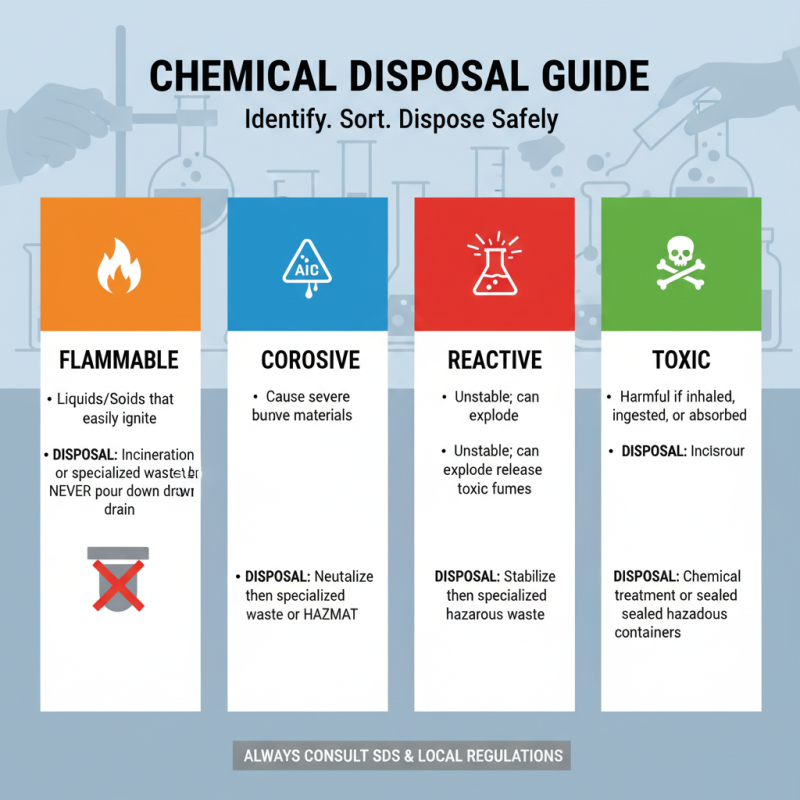
When dealing with chemicals, it's crucial to understand their types and disposal requirements. Chemicals can be categorized into flammable, corrosive, reactive, and toxic substances. Each category has specific disposal protocols to prevent hazards. For instance, flammable chemicals should never be poured down the drain.
**Tip:** Always label chemical containers clearly. This helps in identifying the contents and avoids accidental misuse.
Corrosive substances can damage skin and eyes. They require special handling and disposal. Some can be neutralized before disposal, while others must be taken to a hazardous waste facility. Failing to follow proper procedures can lead to accidents.
**Tip:** Wear appropriate protective gear when handling chemicals. Even with simple tasks, safety should come first.
Toxic chemicals, like some pesticides and solvents, pose serious risks. These should be disposed of according to local regulations. Not all facilities accept all chemicals, so checking in advance is essential. It's vital to reflect on your chemical usage habits. Emphasizing safety isn’t just about legalities; it’s about protecting ourselves and our environment.
Steps for Safe Preparation Before Disposal of Chemicals
Disposing of chemicals requires careful preparation. Before you start, gather all necessary materials. Use gloves and goggles for protection. Understanding the chemical’s properties is crucial. A study from the Environmental Protection Agency highlights that mishandling chemicals led to over 22,000 reported incidents last year.
Identify the chemical type. Flammable, corrosive, and toxic chemicals need different disposal methods. Consult the Safety Data Sheet (SDS) for specifics. In 2021, more than 40% of companies did not follow proper guidelines, leading to environmental contamination.
Create a disposal plan. This plan should include how to containerize chemicals securely. Label everything clearly to avoid mix-ups. Only 35% of laboratories showed compliance with labeling standards. Remember, a moment of negligence can lead to serious harm. Be aware, be prepared, and act responsibly to ensure safety for all.
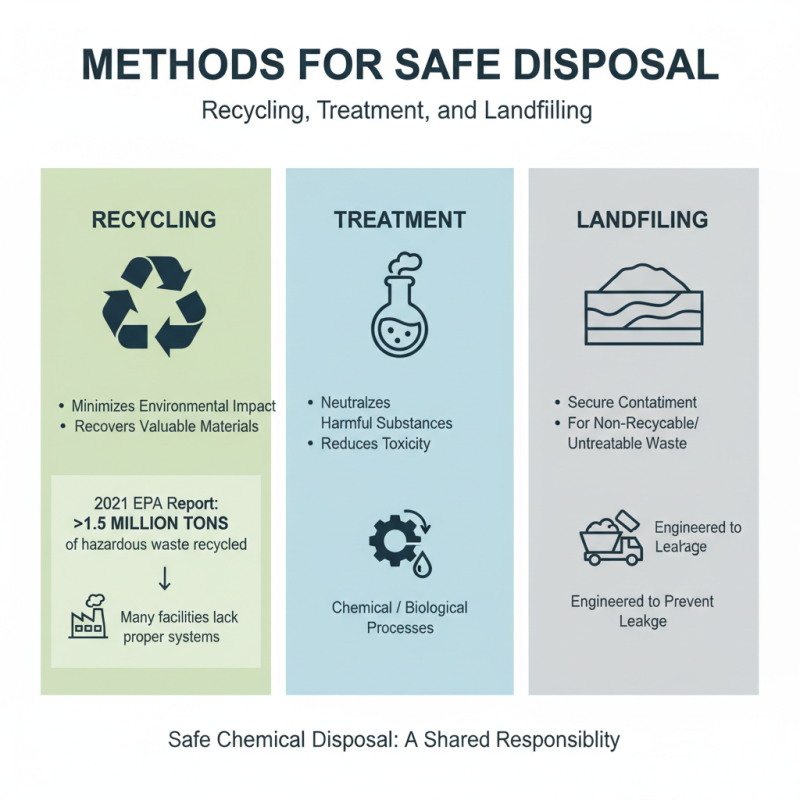
Methods for Safe Disposal: Recycling, Treatment, and Landfilling
Disposing of chemicals safely requires careful consideration. Recycling is one effective method. In 2021, the Environmental Protection Agency reported that over 1.5 million tons of hazardous waste were recycled. This approach minimizes environmental impact while recovering valuable materials. However, many facilities still lack proper recycling systems, leading to potential risks.
Treatment is another technique. This process involves neutralizing or reducing the harmful properties of chemicals. Data shows that up to 70% of treated waste can be rendered safe for disposal in landfills. Yet, not all chemicals are suitable for this method. Some processes require advanced technology, which not every facility can access. This creates gaps in effective treatment practices.
Landfilling is often seen as a last resort. Properly managed landfills provide containment for chemicals, yet they still pose risks. Studies indicate that leachate from these sites can contaminate groundwater over time. This reinforces the need for ongoing monitoring and innovation in disposal methods. Many localities struggle to implement comprehensive waste management strategies. The challenge is ensuring safety while effectively handling hazardous materials.
Compliance with Local Regulations and Environmental Guidelines
Proper disposal of chemicals is crucial for compliance with local regulations. Statistics indicate that improper disposal can lead to severe penalties. The Environmental Protection Agency (EPA) estimates that over 15,000 violations occur each year. Local authorities often impose hefty fines, sometimes reaching thousands of dollars, for non-compliance.
Many facilities overlook specific guidelines laid out by municipal regulations. Not all chemicals can be disposed of in the same manner. For example, hazardous waste typically requires special treatment. Neglecting to categorize waste correctly may result in unanticipated liabilities. A recent report highlighted that nearly 20% of businesses fail to follow waste management protocols effectively.
Reviewing local laws is essential, but many find it overwhelming. Keeping track of updates can be challenging. Regular training helps but is often skipped, leading to knowledge gaps. The cost of non-compliance is not just financial; it can also harm the community. Proper disposal should be a priority, yet many organizations struggle with it. Investing time in understanding local requirements is vital for safety and environmental protection.
How to Properly Dispose of Chemicals Safely and Effectively? - Compliance with Local Regulations and Environmental Guidelines
| Chemical Type |
Disposal Method |
Local Regulation Compliance |
Environmental Guidelines |
Safety Measures |
| Acids |
Neutralization followed by landfill |
Meets EPA standards |
Ensure pH levels are neutral |
Wear gloves and goggles |
| Solvents |
Collection by a hazardous waste facility |
Complies with local waste management laws |
Avoid pouring down drains |
Use in well-ventilated areas |
| Heavy Metals |
Specialized recycling |
Follows state regulations |
Ensure proper labeling |
Use appropriate PPE |
| Pesticides |
Return to supplier or hazardous waste collection |
Adheres to agricultural waste laws |
Follow disposal instructions on labels |
Avoid contact with skin |
| Biological Waste |
Autoclaving or incineration |
Adheres to medical waste management regulations |
Minimize contamination risk |
Use biohazard containers |