Industrial chemicals play a vital role in modern manufacturing processes. According to the American Chemistry Council, the global chemical industry was valued at over $5 trillion in 2021. This figure highlights the immense significance of industrial chemicals in various sectors. These substances serve critical functions, including acting as catalysts, solvents, and raw materials. In sectors like automotive and electronics, they ensure product functionality and efficiency.
However, the reliance on industrial chemicals also brings challenges. Issues such as environmental impact and worker safety require careful consideration. A 2020 report by the European Chemicals Agency indicated that chemical production is linked to significant carbon emissions. Sustainable practices must be prioritized to mitigate these effects.
The complexity of industrial chemicals often results in unintended consequences. While they enhance productivity, the potential for hazardous impacts cannot be ignored. The quest for safer alternatives and innovations is ongoing within the industry. Embracing both the benefits and the challenges of industrial chemicals is essential for a sustainable future.
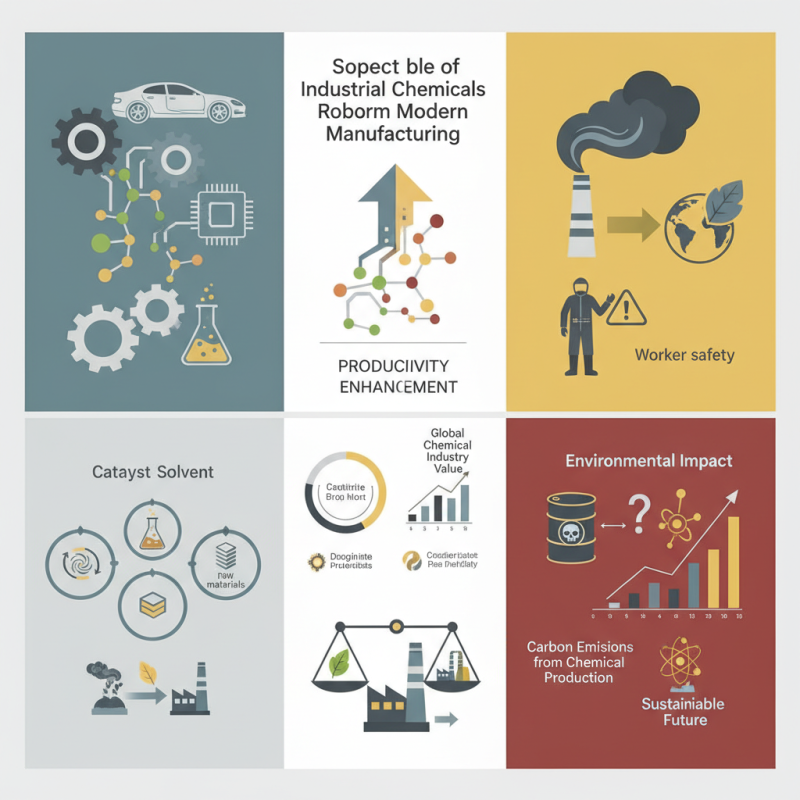
Industrial chemicals play a crucial role in modern production processes. They enhance efficiency, improve product quality, and ensure safety in manufacturing. For instance, a report by the American Chemistry Council highlights that chemical manufacturing contributed over $777 billion to the U.S. economy in 2021. This figure underscores the significance of chemicals in various industries, from agriculture to automotive.
In production, specific chemicals serve distinct purposes. Adhesives, solvents, and plastics are integral to everyday products. A 2023 study found that more than 60% of manufacturers rely on industrial chemicals to streamline operations. However, some manufacturers face challenges in sourcing sustainable chemicals. This reliance can lead to environmental concerns if not managed correctly. The need for safer alternatives is more pressing than ever.
Additionally, the integration of digital technologies in chemical manufacturing is transforming the industry. Data analytics help optimize chemical usage, reducing waste. Yet, the transition is not seamless. Many companies still struggle with outdated processes. As industries evolve, the role of industrial chemicals will continue to be pivotal. Balancing efficiency with environmental responsibility is a challenge that manufacturers must address.
| Category | Chemical Type | Common Uses | Impact on Manufacturing |
|---|---|---|---|
| Solvents | Acetone | Paint Thinners, Adhesives | Facilitates mixing and application of coatings. |
| Acids | Sulfuric Acid | Metal Cleaning, Battery Manufacturing | Critical for surface preparation and treatment. |
| Bases | Sodium Hydroxide | Paper Production, Water Treatment | Key in chemical reactions for production processes. |
| Catalysts | Platinum | Petrochemical Production | Enhances the speed of chemical reactions, reducing costs. |
| Additives | Plasticizers | Rubber and Plastic Production | Improves flexibility and durability of materials. |
| Surfactants | Nonylphenol Ethoxylate | Detergents, Emulsifiers | Facilitates mixing of oil and water, improving product efficacy. |
Industrial chemicals play a crucial role in modern manufacturing across various sectors. These substances are fundamental in producing materials such as plastics, metals, and textiles. Specific types of industrial chemicals include solvents, catalysts, and polymers. Solvents help dissolve other substances, ensuring a smooth manufacturing process. Catalysts speed up reactions without being consumed in the process. Polymers are used extensively for their versatility and durability.
Solvents like acetone and ethyl alcohol are common. They are vital for cleaning and preparing surfaces. However, their use raises concerns about safety and environmental impact. Proper ventilation and protective gear are essential, yet not always practiced. Catalysts are often metal-based, efficient in speeding up chemical reactions. While they are effective, the production of these metals may have environmental repercussions.
Polymers can be synthetic or natural. They are found in everyday products, from packaging to automotive parts. But the challenge lies in their disposal and sustainability. Many polymers do not break down easily, contributing to environmental pollution. Manufacturers are now compelled to explore biodegradable alternatives, but innovations take time. The landscape of industrial chemicals is complex and continuously evolving.
Industrial chemicals play a crucial role in the manufacturing sector. They help create materials that meet specific product demands. However, their use raises questions about safety and quality. The right balance is essential. Improper handling and exposure can lead to hazardous products. This is particularly concerning in sectors like food packaging and pharmaceuticals.
The impact of industrial chemicals on product quality can be significant. For instance, additives may enhance durability but also introduce risks. Some chemicals can cause allergic reactions. Consumers are increasingly aware of these issues. Transparency is vital. Manufacturers must disclose chemical usage clearly. Striking a balance between quality and safety is challenging.
Mistakes do happen. Over-reliance on certain chemicals can backfire. Products might perform well initially but deteriorate over time. Monitoring chemical composition is essential for maintaining standards. Companies need to reconsider their chemical choices regularly. Continuous evaluation can prevent future complications. Safety and quality should never be an afterthought.
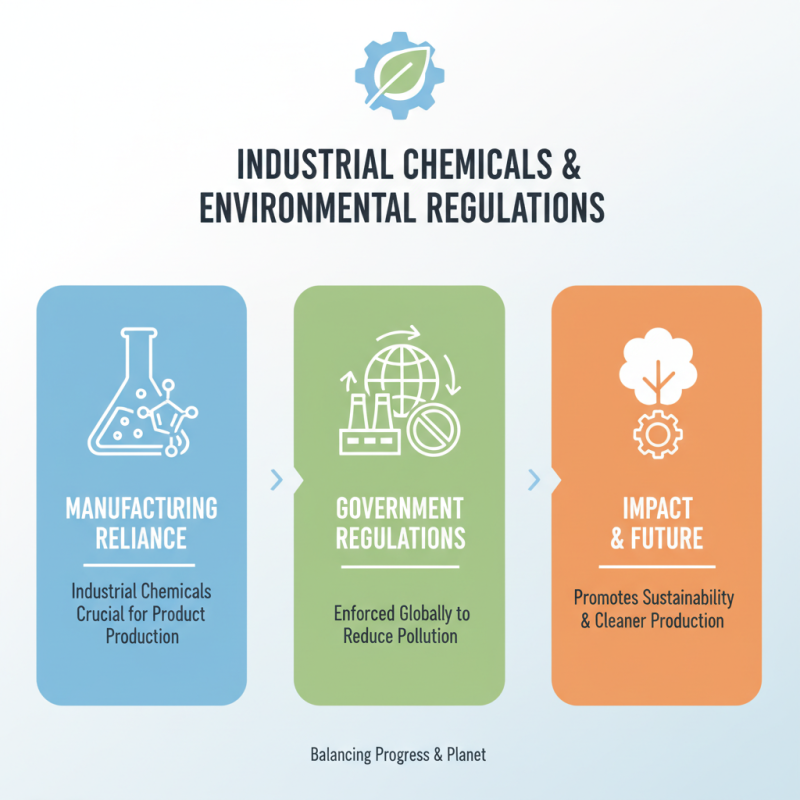
The manufacturing sector relies heavily on industrial chemicals. These chemicals play a vital role in producing various products. However, the impact of environmental regulations is significant. Governments worldwide are enforcing these regulations to reduce pollution and promote sustainability.
Regulations often restrict the usage of certain industrial chemicals. Manufacturers must adapt to these changes. They might need to reformulate products to meet new standards. This transition can be challenging. It requires time, effort, and financial investment. Sometimes, companies struggle to find suitable alternatives that do not compromise quality.
Environmental regulations also push manufacturers toward greener practices. Many are exploring eco-friendly chemicals and processes. This shift can lead to innovation, but it is not without its hurdles. Finding balance is key. Companies must weigh regulatory compliance against operational efficiency. This ongoing challenge encourages reflection on existing practices and future goals.
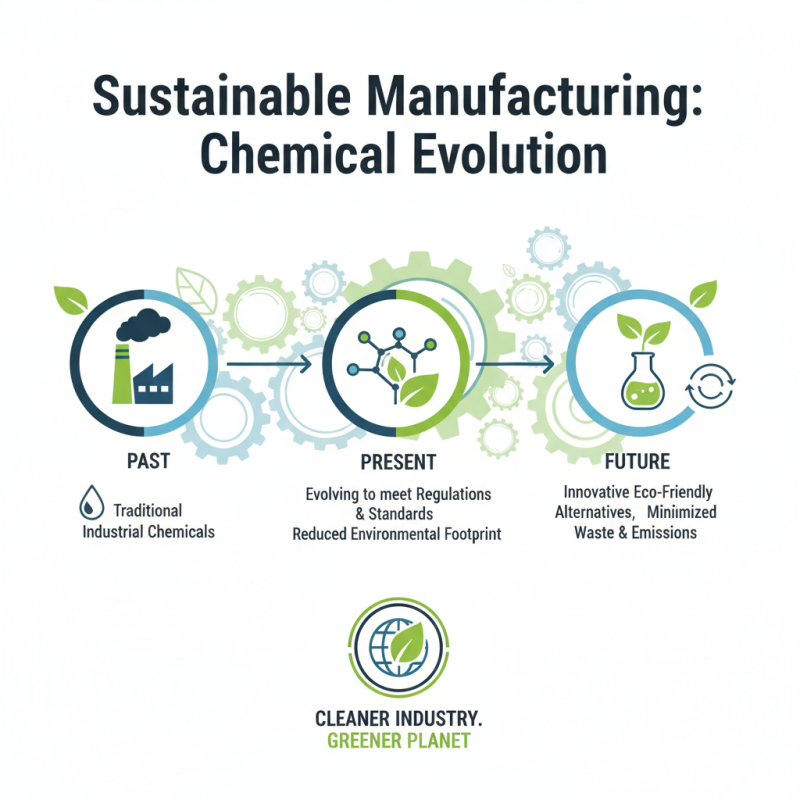
In recent years, the push for sustainable manufacturing has gained momentum. Companies now seek to minimize their environmental footprint. Industrial chemicals play a crucial role in this shift. They are evolving to meet new regulations and standards. Innovative eco-friendly alternatives are emerging regularly. This helps reduce waste and emissions significantly.
The future of industrial chemicals appears promising. Bio-based chemicals are gaining attention. These materials derive from renewable resources, unlike traditional petroleum-based options. Their use can lead to lower greenhouse gas emissions. However, challenges remain. Developing these alternatives can be costly and complex. Industries must balance sustainability with economic feasibility.
Experts suggest greater collaboration is essential. Knowledge sharing and partnerships can accelerate innovation. The development of safer and more efficient chemicals is vital. This approach promises to reshape the manufacturing landscape. As the industry pushes toward greener practices, the role of chemical innovation will be central. Continuous reflection and adaptation will be necessary to achieve true sustainability.