
How to Source Lab Chemicals Safely in 2026?

Safe sourcing of lab chemicals in 2026 starts long before a purchase order reaches the supplier. The real test begins at the receiving dock. Labels, intact seals, current safety data sheets, and certificates of analysis must match the order. One missing document can become a serious handling decision. The United Nations Environment Programme’s Global Chemicals Outlook II projects global chemical production will double by 2030 from 2017 levels. That growth increases pressure on suppliers, transport networks, and laboratory storage systems. The World Health Organization’s Laboratory Biosafety Manual, fourth edition, recommends risk-based controls, documented procedures, and competent personnel. These principles should guide every lab chemicals purchase.

James A. Kaufman, founder of the Laboratory Safety Institute, has stated, “Safety is not a priority; it is a value.” His reminder remains practical. A safe supplier should provide traceable batches, clear hazard classifications, responsive technical support, and realistic delivery conditions. Buyers should also verify storage temperatures, expiration dates, packaging integrity, and compatibility with existing inventories. Do not trust a polished website alone. Request evidence. Check references. Review the supplier’s quality system. No scorecard is perfect. That is the uncomfortable part. Even experienced teams can overlook a changed formulation, delayed shipment, or damaged container. This guide examines how to reduce those weaknesses through supplier qualification, regulatory review, inventory planning, and receiving inspections. It also considers a practical question: are we buying the safest suitable product, or merely the cheapest available option?
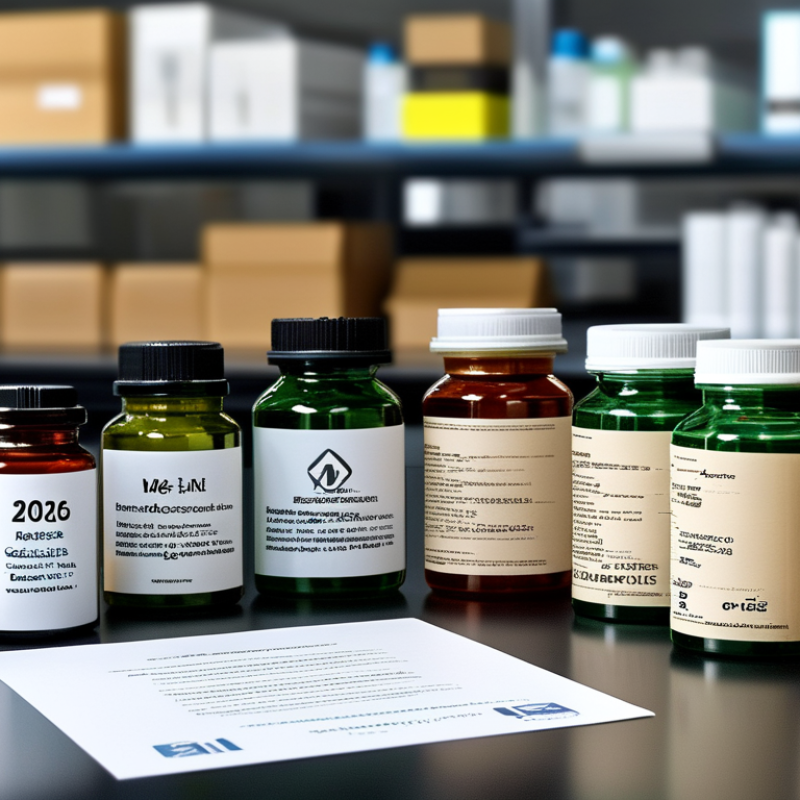
How to Source Lab Chemicals Safely in 2026?

Define Chemical Sourcing Needs and Laboratory Safety Requirements

How to Source Lab Chemicals Safely in 2026?

Define Chemical Sourcing Needs and Laboratory Safety Requirements

Before requesting quotes, define the chemical’s exact role in the experiment. Record its chemical name, CAS number, grade, concentration, quantity, and physical form. Confirm whether a substitute could change the reaction, exposure risk, or test results. Review the current Safety Data Sheet and your laboratory’s standard operating procedures. Check ventilation, storage space, compatible containers, personal protective equipment, and waste arrangements. Small details matter. A reliable supplier should provide traceable lot information, a certificate of analysis, clear labeling, and suitable transport conditions. Do not select materials by price alone. Follow applicable local regulations and institutional safety requirements.

Tips: Use a two-person review for unfamiliar chemicals. Compare the planned quantity with actual experimental needs. Keep a written risk assessment near the work area. Prepare spill materials before delivery. Confirm emergency contacts and first-aid procedures. Ask technical staff to challenge vague specifications.

When the shipment arrives, inspect the package before opening it. Look for broken seals, damaged containers, missing labels, leaks, or temperature concerns. Quarantine anything questionable. Never transfer an unidentified substance into another bottle. Record the lot number, receipt date, storage location, and inspection result. A checklist helps, but it is not perfect. Experienced teams can still overlook a storage conflict or outdated assessment. Review the process after near misses, failed experiments, or changes in equipment. Safety requirements should develop with the laboratory, not remain fixed on paper.

Verify Supplier Credentials, Product Quality, and Regulatory Compliance

Sourcing laboratory chemicals safely in 2026 begins with verifying the supplier, not comparing prices. Request the company’s legal registration, operating address, quality certificates, and current contact details. Check whether its testing facilities hold suitable accreditation. A polished website proves very little. Ask for recent audit evidence and clear complaint procedures.

Product quality needs document-level checking. Before ordering, request a Safety Data Sheet, Certificate of Analysis, purity specification, lot number, and expiry information. Confirm that the certificate matches the exact product and batch. Inspect packaging on arrival for broken seals, moisture, incorrect labels, or temperature damage. Record photographs and receiving conditions. Small gaps matter.

Regulatory compliance also requires practical judgment. Confirm the chemical’s permitted use, transport classification, storage requirements, and reporting duties in the destination country. Ask the supplier how it controls restricted access and maintains traceability. Keep purchase records, training logs, and disposal documentation in one controlled system. In my experience, rushed approvals create the greatest risk. I have also seen complete paperwork hide weak handling practices, so documents should support physical inspection, not replace it. When uncertainty remains, pause the order and consult a qualified safety officer or regulatory specialist. Credibility takes time. Mistakes can cost more.

How to Source Lab Chemicals Safely in 2026? - Verify Supplier Credentials, Product Quality, and Regulatory Compliance

Verification Dimension Evidence to Request or Check Minimum Acceptance Criteria Key Risk Indicators Recommended Record
Supplier identity and authorization Legal business details, operating address, sales contact, tax or business registration information, and authorization to distribute the requested chemical. Information is consistent across quotations, invoices, shipping documents, and official business records. Unverifiable address, personal payment account, inconsistent company details, or pressure to bypass procurement controls. Supplier qualification checklist and approved-vendor review date.
Product identity and traceability Chemical name, CAS Registry Number, molecular formula, grade, concentration, purity, catalog or item reference, lot number, and expiry or retest date. The product description, label, certificate, and purchase order identify the same substance and grade. Missing CAS number, vague grade description, unexplained substitutions, or absent lot-level information. Purchase order, product specification, label image, and lot-traceability record.
Certificate of analysis and product quality Lot-specific certificate of analysis showing test methods, specification limits, actual results, analyst or quality authorization, and issue date. Results meet the stated specification, test methods are identifiable, and the certificate matches the delivered lot. Generic certificate, copied data, missing test method, results reported only as “passed,” or certificate-lot mismatch. Approved certificate, incoming inspection result, and nonconformance report if applicable.
Safety Data Sheet and hazard communication Current Safety Data Sheet in the required language and format, including the standard 16-section structure, hazard classification, exposure controls, storage, disposal, and transport information. SDS information matches the product label and applicable workplace hazard-communication requirements. No SDS before purchase, outdated revision, incomplete sections, conflicting hazard statements, or missing emergency contact information. SDS revision date, local-language copy, label review, and employee access confirmation.
Regulatory status Applicable inventory or registration information, restrictions, authorization requirements, export controls, controlled-substance status, and local chemical regulations for the destination. The intended use, quantity, destination, and user organization are legally permitted under the relevant jurisdiction. Supplier cannot explain regulatory status, product is restricted for the intended use, or shipment documentation is incomplete. Regulatory screening record identifying jurisdiction, reviewer, date, and decision.
Packaging, labeling, and transport Packaging type, closure integrity, hazard pictograms, signal word, precautionary statements, UN transport information where applicable, and temperature or light controls. Packaging is compatible with the chemical, sealed, legibly labeled, and suitable for the planned transport conditions. Damaged container, missing label, leakage, unsuitable secondary containment, or unexplained transport delays. Pre-shipment requirements, delivery inspection form, photographs, and incident record.
Quality management and change control Quality-system description, complaint procedure, corrective-action process, lot-release controls, and notification policy for changes in raw materials, process, site, or specification. Material changes are communicated before implementation and deviations are investigated with documented corrective action. No change-notification process, repeated unexplained variation, or refusal to investigate quality complaints. Supplier assessment, quality agreement, deviation log, and corrective-action correspondence.
Storage, shelf life, and laboratory suitability Recommended storage temperature, humidity and light protection, incompatibilities, shelf life, retest policy, and intended analytical or research application. Storage conditions are available at receipt, remaining shelf life meets the laboratory requirement, and compatibility is documented. Short or unknown shelf life, temperature excursion, crystallization, discoloration, corrosion, or improper segregation. Receiving log, storage-location record, temperature-excursion report, and disposal record.
Independent incoming verification Risk-based identity or purity testing using a validated or documented method, especially for high-hazard, high-value, or critical-process chemicals. Testing depth is proportionate to the chemical risk and intended use; discrepancies trigger quarantine and investigation. No sampling plan, untrained sampler, uncontrolled reference standards, or use before release. Sampling plan, test result, release decision, and chain-of-custody record.

Note: Regulatory obligations depend on the substance, quantity, intended use, workplace, transport route, and destination jurisdiction. Confirm requirements with the relevant competent authority or qualified compliance professional before purchase.

Evaluate Hazards, Documentation, Packaging, and Shipping Conditions

How to Source Lab Chemicals Safely in 2026?

Safe sourcing begins with hazard evaluation, not price comparison. Review the safety data sheet before requesting a quotation. Check toxicity, flammability, corrosivity, reactivity, and storage temperature. Confirm that the chemical suits your procedure and facility controls. Ask whether ventilation, spill materials, or specialized cabinets are required. Small details matter.

Documentation should be complete and consistent. Match the product name, concentration, grade, hazard classification, lot number, and expiry date across every record. Request current safety data sheets and certificates of analysis from a qualified supplier. Verify that labels are legible and written for the destination country. Missing paperwork can delay receiving or create unsafe assumptions.

Packaging and shipping conditions deserve equal attention. Inspect sealed containers, tamper evidence, cushioning, and secondary containment. Temperature-sensitive materials may need monitored packaging and defined delivery windows. Confirm that transport staff understand the required handling conditions. On arrival, check for leaks, damaged caps, wet cartons, or unusual odors before opening. Photograph problems immediately and quarantine questionable packages.

Even experienced teams miss something. A rushed approval can overlook a storage conflict. My practical rule is simple: pause when details do not align. Record who reviewed the order and why the controls are adequate. This creates traceability, although it may feel slower. Reliable sourcing is rarely perfect; it improves when teams question incomplete information.

Purchase, Receive, Inspect, and Store Laboratory Chemicals Safely

Safe laboratory chemical handling begins before purchase. Select suppliers with traceable certificates of analysis, current safety data sheets, and reliable delivery controls. Match each chemical to the approved method and risk assessment. Avoid buying “just in case.” Excess stock creates aging, disposal, and compatibility problems. The European Chemicals Agency’s 2024 enforcement report found non-compliance in about 18% of inspected products, showing why labels and documentation deserve careful checking.

At delivery, inspect the outer box before signing. Look for wetness, crystallization, damaged seals, faded labels, or unexpected temperature indicators. Quarantine questionable packages in a designated area. Compare the container, concentration, lot number, and expiry date with the purchase record. A small mismatch can become a serious traceability failure.

During storage, separate acids from bases, oxidizers from organics, and water-reactive materials from sinks. Use secondary containment and keep labels facing outward. The National Academies’ Safe Science report emphasizes that storage systems must reflect hazard compatibility, not alphabetical convenience.

Tips: Keep a receiving checklist near the doorway. Photograph damaged packages immediately. Record opening dates. Review high-risk inventories monthly. Never rely on memory alone. I have seen tidy cabinets hide expired reagents, so visual order is not proof of control. Review local requirements and the latest safety data sheet before changing storage practices.

Sources: European Chemicals Agency, Enforcement Forum Report 2024; National Academies, Safe Science: Promoting a Culture of Safety in Academic Chemical Research.

Maintain Records, Monitor Use, and Dispose of Chemicals Responsibly

Safe chemical sourcing in 2026 begins with disciplined records, not just a careful purchase. Record each chemical’s name, concentration, quantity, supplier details, arrival date, storage location, and responsible user. Keep current safety data sheets accessible to trained staff. A simple digital register can reveal expired stock, duplicated orders, and missing containers. However, records are only useful when people update them promptly. In busy laboratories, this step is often overlooked.

Tips: Review the inventory every month. Compare written records with physical containers. Check labels, seals, expiry dates, and storage conditions. Use clear logs for withdrawals and returns. Limit access to trained personnel. Keep incompatible substances separated, and inspect shelves for corrosion, leaks, or damaged packaging. Small discrepancies deserve attention. They may signal a larger control problem.

Monitor usage patterns before ordering again. Unusual consumption can indicate waste, poor handling, or an unreported spill. Supervisors should investigate calmly and document corrective actions. Disposal requires equal care. Separate chemical waste by compatibility, label each container with contents and hazards, and keep waste closed in secondary containment. Never pour chemicals into drains unless an approved written procedure specifically permits it. Arrange collection through an authorized waste service that follows applicable local requirements. Staff should understand emergency steps, yet training records may be incomplete. That weakness needs honest review, refresher instruction, and practical drills.

Scroll to Top