How to Safely Trim Your Cat's Fur in Summer?
As the summer heat intensifies, pet owners often wonder about the best ways to manage their cats' fur. Shaving cats in summer can be tempting, but it’s crucial to approach this task with care and knowledge. Cats have sensitive skin, and improper trimming can lead to discomfort or injury. Understanding the right techniques and tools is essential for a safe grooming experience.
Before you start, consider your cat’s specific needs. Some breeds may require more attention than others. It's not just about getting rid of excess fur; it's about maintaining their health and comfort. Using the right equipment, like specialized clippers, ensures a smoother experience. Watch for signs of stress in your cat as you work.
Moreover, always consult with a veterinarian or a professional groomer if you're unsure. They can provide valuable insights based on their expertise. Remember, shaving a cat in summer should enhance their well-being—not compromise it. Pay attention to your pet's reactions. Grooming isn't just a task; it’s a bond-building opportunity.
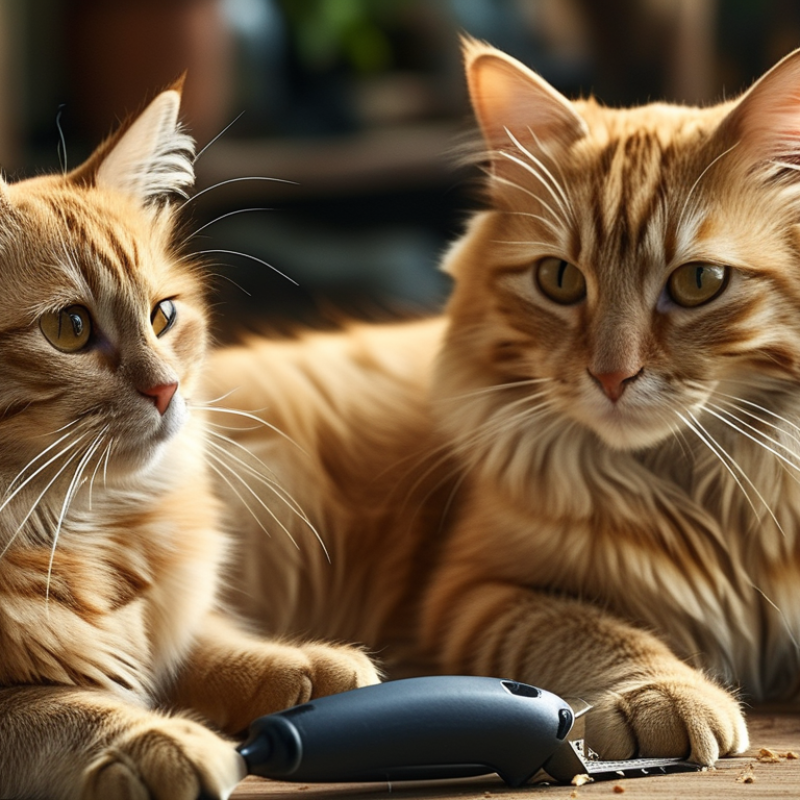
Understanding the Importance of Grooming Your Cat in Summer
Grooming your cat in summer is vital. The heat can be challenging for our furry friends. Regular grooming helps prevent overheating. Cats can easily suffer from mats and tangles in their fur. These can trap heat and moisture, leading to skin issues. A well-groomed cat stays cooler and more comfortable.
During summer, brushing should be more frequent. Aim for at least twice a week. Use a gentle brush designed for cats. This process not only removes loose hair but also reduces shedding around your home. Pay special attention to areas prone to mats, such as behind the ears and under the legs. Take your time. Some cats may resist grooming, causing stress and discomfort. Be patient and gentle.
Using clippers may seem tempting for a thorough trim. However, not all cats are comfortable with that. An incorrect trim can lead to skin injuries. Always consider your cat's temperament. If your cat is anxious, seek professional help. A groomer experienced with cats can make the process easier and safer. Respect your cat's needs. Their comfort should always come first.
Preparing Your Cat for a Safe Grooming Experience
Preparing your cat for a safe grooming experience starts with creating a calm environment. Choose a quiet area free from distractions. You want your cat to feel relaxed and secure. Soft music can help soothe nerves. Try to groom when your cat is naturally calm, perhaps after a meal or playtime.
Introduce grooming tools gradually. Let your cat sniff the brush before using it. This helps them grow familiar with the equipment. Start by gently massaging your cat’s fur with your hands. This builds trust and makes them more receptive to the brush. Gather treats and provide positive reinforcement during the grooming process. If your cat shows signs of discomfort, take a break.
Monitor your cat’s behavior closely. Some may panic or squirm, making it hard to groom them. It's okay if your first attempt doesn't go perfectly. It may take several tries before they become comfortable. Be patient and don’t rush the process. Every cat is different, and understanding their reactions will improve future grooming sessions.
Essential Tools for Trimming Your Cat’s Fur
Trimming your cat's fur in summer can help keep them cool. The right tools make this process easier and safer. A quality pair of grooming scissors is essential. Choose ones with rounded tips to avoid accidents. These scissors allow for precise cuts without risking injury. You’ll also need a good comb. A wide-tooth comb works well for detangling. This tool helps to remove loose hair and prevents matting.
A grooming brush is another vital tool. Look for brushes designed for your cat's fur type. For long-haired cats, a slicker brush might be the best choice. It removes dead hair effectively. A high-velocity dryer can help dry your cat quickly if they get wet during trimming. Patience is key. Not every cat will cooperate. Some may resist the process, while others might need breaks.
Remember, trimming fur isn’t just about looks. It's about comfort too. A well-trimmed cat is often happier in the heat. Monitor your cat’s reaction to the grooming tools. If your cat seems anxious, consider a gentler approach. Reflect on their behavior, and adjust your technique accordingly. Each cat is unique, and what works for one may not work for another.
Step-by-Step Guide to Safely Trim Your Cat's Fur
Trimming your cat's fur in summer can help keep them cool. It's a skill that requires practice and patience. Follow this step-by-step guide to ensure a safe and effective trimming.
Begin by gathering your tools. You'll need a pair of sharp grooming scissors, a comb, and possibly clippers. Choose a quiet area where your cat feels comfortable. Always brush their fur first to remove tangles. This helps make the trimming process smoother.
When you start trimming, work slowly. Focus on small sections to avoid mistakes. Cats may react unexpectedly, so keep an eye on their body language. If they seem stressed, take a break. Some pets may need time to get used to the sound of clippers.
Tip: Always reward your cat after each session to build positive associations. Offer treats or extra affection. This will make future grooming easier for both of you.
Keep in mind that not all cats need heavy trimming. Some may just require light maintenance. Reflect on the length of their fur and adjust your approach accordingly. Each cat is unique, so what works for one might not work for another.
Cat Fur Trimming Statistics by Season
Post-Trimming Care to Keep Your Cat Comfortable
Post-trimming care is crucial for your cat’s comfort after a summer grooming session. Cats typically have sensitive skin. After trimming, their skin may feel exposed and vulnerable. It’s essential to monitor for signs of irritation or discomfort. Some cats might scratch or groom excessively after a trim, leading to further skin issues.
Hydration is important. Ensure your cat has access to fresh water. A well-hydrated cat is less likely to develop skin problems. According to the American Animal Hospital Association, maintaining hydration can prevent dry skin and irritation. Consider adding a humidifier. This can create a comfortable environment, reducing dryness in the air.
During the post-trim phase, be cautious. Some cats may not tolerate the change well. They may act differently, becoming more withdrawn or anxious. Regular check-ins can help you gauge their mood. If your cat seems unhappy, spend time with them. A soft blanket or favorite toy can provide comfort. Always remember, grooming should be a positive experience. It's not just about aesthetics; it's about your cat's well-being.