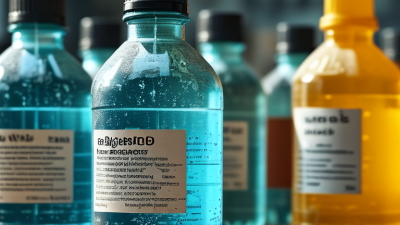
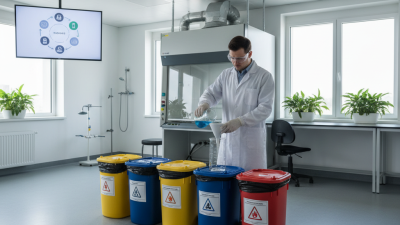
What Is Solvent Waste Disposal and Why Is It Important?
Solvent waste disposal is the safe handling and management of used solvents, from collection to final treatment. These liquids may contain chemicals that ignite easily, release harmful vapors, or react badly when mixed. A stained funnel, an uncapped drum, or a rag left near a workbench can create real risks. Small details matter.
Paul Anastas and John Warner express a guiding principle in Green Chemistry: “It is better to prevent waste than to treat or clean up waste after it has been created.” Their words point to a practical starting place: use only the solvent a task requires, and keep clean material separate from used material when appropriate. Good procedures also call for compatible, closed containers, clear labels, and a careful record of what each container holds. Never assume two waste streams can be combined just because they look alike. That deserves a second look.
Why does this matter? Proper solvent waste disposal helps protect workers, prevent spills, reduce exposure, and keep waste from entering drains or ordinary trash. It can also make collection and treatment more efficient. The right handling steps depend on the solvent, contaminants, and workplace procedures. Check safety data sheets and consult qualified environmental, health, and safety personnel or a qualified waste service provider. A label alone is not a complete plan. And routines can slip. That is worth admitting. Regular training and container checks help turn written procedures into safer daily habits.
What Solvent Waste Disposal Means
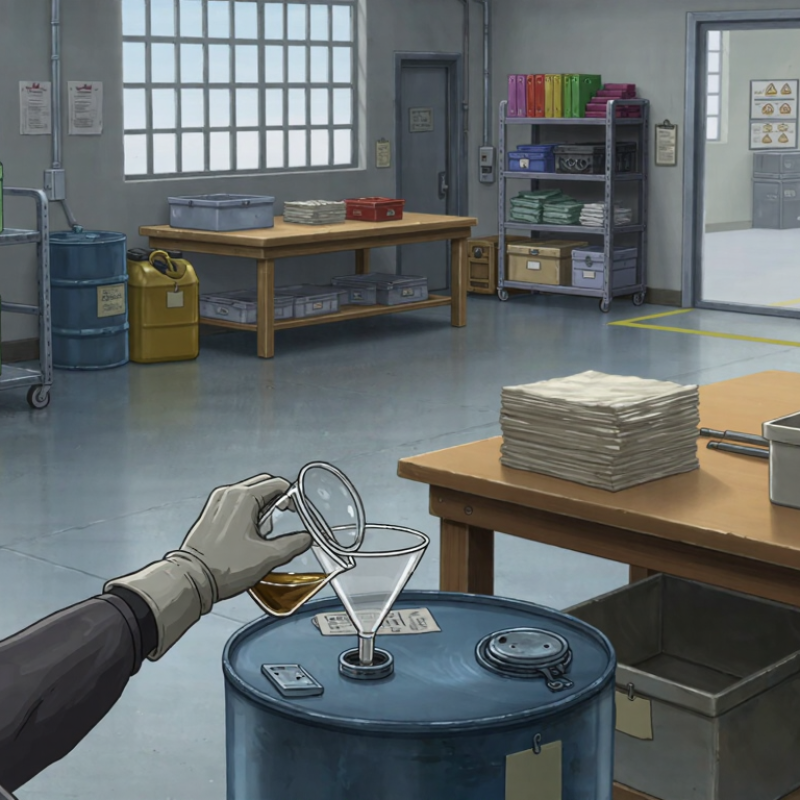
Solvent waste disposal means managing leftover solvents from the moment they are no longer needed until they are safely recovered or removed. It includes identifying the material, collecting it, storing it properly, and arranging suitable treatment or disposal. A solvent-soaked rag, a partly used bottle, and a rinse mixture may all need different handling. Small details matter.
The first practical step is knowing what is in the container. Check the product label and safety information, and do not guess from color or smell. Keep incompatible materials separate; mixing unknown liquids can create heat, fumes, or a harder-to-manage waste stream. Use a compatible, closed container and a clear label that identifies its contents. If the material is uncertain, pause and ask a qualified safety professional.
Disposal is not simply pouring a liquid away or putting it in ordinary rubbish. Those shortcuts can expose workers, damage plumbing, or release vapors. Keep containers secure and away from heat while awaiting collection, following the site’s procedures and local requirements. Some solvents may be suitable for recovery, but that depends on their composition and contamination. I have found that “just a little” leftover solvent is easy to overlook; it still deserves careful identification and handling.
Which Materials Are Classified as Solvent Waste
Solvent waste includes discarded liquids and materials that contain solvents. Common examples are used cleaning fluids, degreasers, paint thinners, and spent laboratory solvents. A liquid does not stop being solvent waste simply because it looks clear. Its ingredients and properties matter.
Solvent-soaked wipes, absorbent pads, filters, and gloves may also qualify, especially when they drip or hold noticeable residue. Empty containers can retain enough liquid to require careful handling. Mixtures count too: a rinse solution containing alcohol, or a coating waste containing thinner, may need evaluation. Water-based mixtures are not automatically harmless. Check what went into them.
Look closely. A familiar smell is not a reliable test of composition or safety. Review product and process records, and use safety data sheets to identify ingredients. Then follow your organization’s waste procedures and applicable local requirements. Keep unknown materials separate, label them clearly, and ask a qualified environmental professional when the classification is uncertain. That uncertainty is real; busy work areas can mix materials before anyone notices. A brief record of the source, date, and contents can help prevent guesswork later.
Which materials are classified as solvent waste? Spent or unused acetone, methanol, ethanol, isopropyl alcohol, toluene, and xylene—and mixtures contaminated with them—may be solvent waste. The chart compares their typical flash points in degrees Celsius; all are below 60°C (140°F), a common threshold used to identify ignitable liquids under U.S. hazardous-waste rules. Actual waste classification depends on its composition and applicable regulations, so not every solvent-containing waste is automatically hazardous.
How Solvent Waste Is Collected, Stored, and Treated
Solvent waste disposal begins where the waste is generated. Staff identify the solvent and its contaminants from process records and safety information, then keep incompatible streams separate. Mixing unknown liquids can create heat, pressure, or hazardous vapors. Small details matter. A marked container should name its contents clearly, including known mixtures, and remain closed except during careful transfer.
Collection works best with compatible, sealed containers and a clear route from work area to storage. Workers use suitable protective equipment and avoid splashes when pouring. At the storage point, containers sit upright in secondary containment, away from heat and ignition sources. The area should be ventilated, access controlled, and checked for leaks or damaged caps. Labels can fade. Regular checks catch that.
Treatment depends on the waste’s composition and condition. A qualified facility may recover reusable solvent through distillation, or use another treatment suited to the material. Accurate records help staff track quantities, collection dates, and the intended treatment route. Not every stream is easy to classify; that uncertainty deserves attention, not guesswork. Clear procedures and trained handling reduce exposure risks and help prevent spills before transport.
Why Proper Solvent Waste Disposal Matters
Why Proper Solvent Waste Disposal Matters
Proper solvent waste disposal protects workers, facilities, and nearby environments. Some solvents release vapors that can irritate skin or lungs, while many can ignite near heat or sparks. A poorly sealed container can turn a routine cleanup into an exposure or fire hazard. Spills may also damage floors and reach drains. The risks depend on the solvent and how it was used, so guessing is not a safe method.
The scale of industrial waste makes careful handling important. The U.S. Environmental Protection Agency’s 2022 Toxics Release Inventory National Analysis reports that facilities managed 88.6 billion pounds of production-related waste across listed chemicals. This figure is not solvent-specific, but it shows why sound waste practices matter. Keeping solvent waste separate, clearly labeled, and in compatible, closed containers helps prevent reactions and makes later handling more reliable. A label can smudge. Check it.
Tips: Keep waste containers closed except when adding material. Mark contents and hazards clearly, and never mix unknown residues. Follow your facility’s written procedures and safety data sheets; if the waste is uncertain, pause and ask a trained safety professional rather than relying on appearance.
Rules and Responsibilities for Solvent Waste Management
Solvent waste management begins with knowing what is in each container. Staff should identify the solvent and its hazards before collection. Use compatible, clearly labeled containers, and keep them closed except when adding waste. Labels should describe the contents, relevant hazards, and accumulation details required locally. Small details matter.
Keep incompatible materials separate. Mixing can cause heat, pressure, or dangerous vapors. Store containers upright in a secure area with suitable secondary containment. Never pour solvent waste into a drain or leave it to evaporate. A small spill near a workbench can spread quickly, so staff need clear spill procedures and appropriate training. Training helps.
Responsibilities do not end when a container is full. The organization should maintain accurate waste records, arrange collection through an authorized handler, and confirm that storage and transport follow applicable local rules. Requirements vary by location and waste type, so check with the relevant environmental or safety authority. The paperwork can feel repetitive; still, a missed label or collection date can make safe handling harder. Review procedures when materials, equipment, or staff change.