Top Strategies for Using Pigment Fertilizer Dyeing Worldwide?
The global industry of Pigment Fertilizer Dyeing is evolving rapidly. This method enables farmers to enhance plant health and optimize yields. According to a report by the International Society for Horticultural Science, pigment fertilizers can increase crop yield by up to 25% under the right conditions. However, the long-term effects of synthetic dyes on soil health remain unclear.
Dr. Emily Carter, an expert in agricultural chemistry, emphasized, "Using pigment fertilizer dyeing can significantly improve crop appearances, yet we must be cautious of potential ecological impacts." Her perspective highlights a critical balance between productivity and sustainability.
While the benefits are promising, challenges exist. Research indicates a growing demand for natural alternatives due to consumer preferences. The industry must innovate to align with these expectations while addressing environmental concerns. As pigment fertilizer dyeing gains traction worldwide, stakeholders must reflect on their practices. Balancing productivity with ecological responsibility is key in this ever-evolving field.
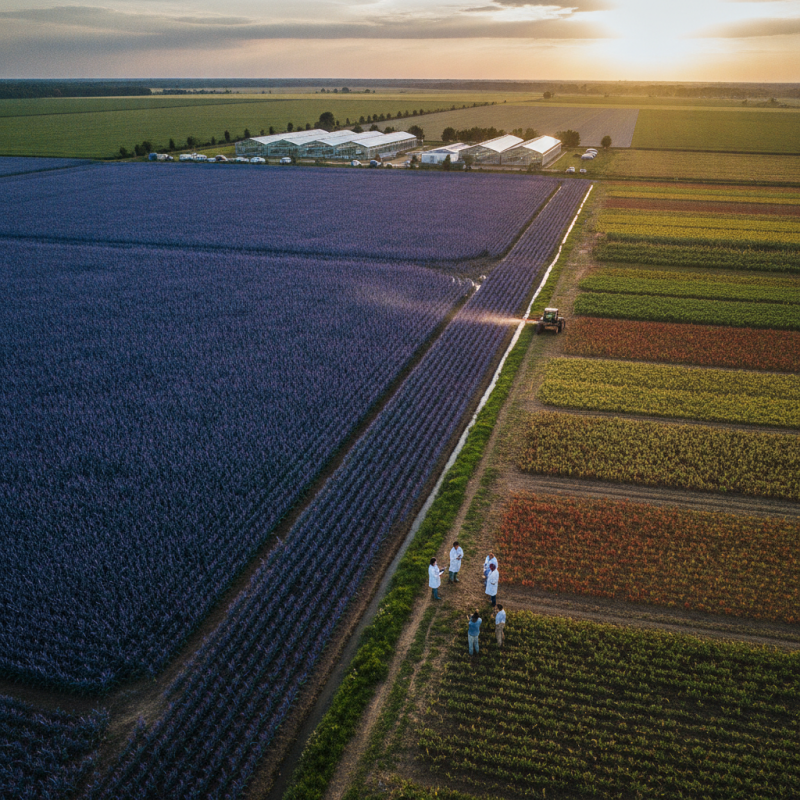
Understanding Pigment Fertilizer: Composition and Benefits
Pigment fertilizer has gained attention due to its unique composition and benefits. It typically comprises natural pigments, essential nutrients, and stabilizers. The pigments enhance color while the nutrients support plant growth. This combination makes it popular among farmers and gardeners worldwide. Integrating pigments into fertilizers can help plants thrive in various environments, improving aesthetics and health.
Tips: Always test on a small area. Assess how plants respond. Adjust the dosage based on their reactions.
Unlike traditional fertilizers, pigment fertilizers may offer added visual appeal. However, not all pigments are created equal. Some may not dissolve well, affecting nutrient availability. Researching pigment sources is crucial to ensure optimal performance. Understanding soil health is also vital. Applying too much pigment can lead to soil imbalances.
Tips: Monitor soil nutrient levels regularly. Keep track of plant growth responses. Adjust pigment use based on observations.
Using pigment fertilizers effectively requires careful consideration. The balance of nutrients is key. Consider local climatic conditions, as they impact effectiveness. For instance, some pigments thrive in dry climates, while others do better in moist areas. Adapt strategies as needed to ensure the best results.
Top Strategies for Using Pigment Fertilizer Dyeing Worldwide
| Strategy | Composition Components | Benefits | Global Usage Insights |
| Enhanced Color Retention | Natural pigments, Synthetic dyes | Increased plant growth, Better crop yield | Popular in Europe and Asia |
| Eco-Friendly Practices | Bio-based components, Organic matter | Sustainable farming, Reduced chemical runoff | Increasingly preferred in North America |
| Cost-Effective Production | Low-cost raw materials, Efficient processing | Lower input costs, Higher profit margins | Adopted by small-scale farmers globally |
| Customized Formulations | Tailored nutrient mixes, Varied pigment blends | Targeted impact on soil health, Improved crop quality | Emerging trend in product development worldwide |
Global Applications of Pigment Fertilizer in Agriculture
Pigment fertilizers are revolutionizing agricultural practices worldwide. They enhance nutrient availability while providing vibrant color that indicates health and growth. This dual function boosts the visual appeal of farms and contributes to sustainable cropping systems.
One effective strategy in using pigment fertilizers is proper application timing. Applying during the early growth stages can maximize uptake and promotional benefits. Maintain an optimal moisture level to enhance absorption. Ideally, combine the fertilizer with basic agronomic practices to achieve the best results.
Using pigment fertilizers also requires careful monitoring of soil health. Regular soil tests can identify nutrient deficiencies and guide pigment application. Pay attention to crop responses; not all plants react the same way. Adjust your practices based on these observations for optimal outcomes. Always stay informed about the latest agronomic research to refine your methods. The journey in optimizing pigment fertilizers is continuous, requiring adaptation and reflection.
Best Practices for Implementing Pigment Fertilizer Dyeing Techniques
Implementing pigment fertilizer dyeing techniques requires careful planning and execution. The market for pigment dyes is expected to grow significantly, driven by an increasing demand for sustainable agricultural practices. According to a recent industry report, the global pigment fertilizer market is projected to reach $12 billion by 2025, emphasizing the importance of adopting these practices now.
One critical best practice is to select appropriate pigments that have high stability and efficiency. A study indicated that using organic pigments could improve nutrient absorption by plants by up to 50%. However, growers must be cautious about the compatibility of pigments with existing fertilizers. An improper selection can lead to reduced effectiveness and potential crop damage.
Furthermore, regular monitoring of soil pH and nutrient levels is essential. These factors greatly influence the effectiveness of pigment fertilizers. Research reveals that about 30% of farmers face challenges due to unbalanced soil composition, impacting their dyeing efforts. Reflecting on the need for continual education in this area is vital. Only through understanding the interaction of pigments with different soil types can one truly optimize their agricultural outcomes.
Environmental Considerations in Pigment Fertilizer Usage
The growing interest in pigment fertilizer highlights the need for environmental considerations. These fertilizers can enhance soil health and plant vibrancy. However, their ecological impact must not be overlooked. Some synthetic dyes may contribute to soil and water pollution. They can affect biodiversity, undermining the very ecosystems farmers seek to nourish.
Understanding the composition of pigment fertilizers is crucial. Many contain chemicals that, when overused, harm soil microflora. Sustainable practices encourage farmers to opt for natural pigments. Organic options often come from plant-based sources, reducing harmful runoff. Educating producers about proper application can mitigate negative effects. Testing soil regularly helps ensure that pigments are used efficiently, sparing the environment and enhancing crop yields.
Mistakes can lead to overapplication. Farmers might think that more color means better results. This can backfire, causing long-term soil degradation. Striking a balance is key. Pigment fertilizer can be a valuable tool when used mindfully, respecting both agricultural needs and environmental health. Keeping a close eye on practices will guide a more sustainable future.
Top Strategies for Using Pigment Fertilizer Dyeing Worldwide
Future Trends and Innovations in Pigment Fertilizer Development
The future of pigment fertilizer development is dynamic and promising. According to a recent report by the International Fertilizer Association, the global market for specialty fertilizers, including pigment fertilizers, is expected to reach $20 billion by 2025. This growth is driven by increasing demand for high-quality agricultural produce. Farmers are prioritizing sustainability and efficiency in nutrient management, leading to the integration of innovative pigments in fertilizers.
Research indicates that these pigment fertilizers offer enhanced light absorption, promoting better plant growth in diverse environments. A study from the Agriculture and Food Research Institute highlights that crops treated with pigment fertilizers showcased a 15% increase in yield compared to conventional fertilizers. However, challenges remain. Most commercial products still rely on synthetic colorants that may not be biodegradable, posing environmental risks.
Innovation in biodegradable pigment materials could reshape this landscape. The development of natural pigments from organic sources is gaining traction. According to the latest findings in the Journal of Agricultural Science, these eco-friendly pigments not only enhance the visual appeal of the crops but also improve soil health, promoting biodiversity. As research continues, the industry must address both the effectiveness and sustainability of these products for long-term adoption.