Ultimate Tips for Choosing the Right CPVC Piping Solutions?
Selecting the right CPVC piping can be challenging. Experts emphasize the importance of informed choices in this field. John Smith, a renowned CPVC piping specialist, once stated, “Choosing the right materials is crucial for longevity and performance.” His insight highlights the need for thorough research before making decisions.
In today's market, various CPVC piping options exist. Each type serves different purposes and environments. Understanding your needs is essential. For instance, consider temperature tolerance and pressure ratings. Manufacturers often provide specifications, but they can be overwhelming. It’s important to identify your project requirements first.
Experience matters in CPVC piping selection. Many professionals learn through trial and error. It’s common to overlook specific details initially. However, reflecting on past mistakes leads to better choices in the future. In essence, knowledge and reflection are key to choosing the right CPVC piping solutions.
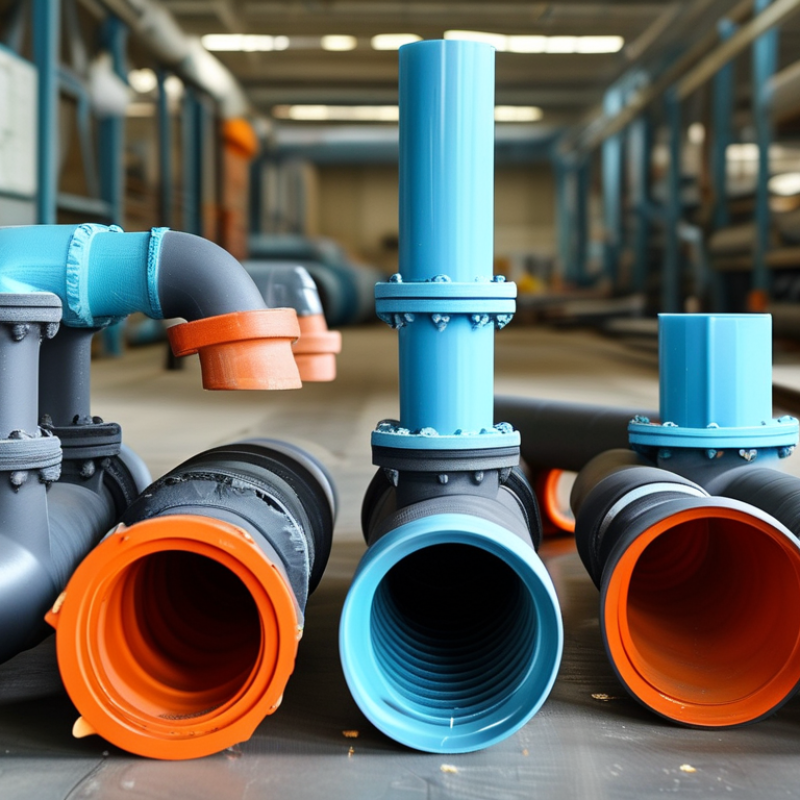
Understanding CPVC: Properties and Benefits of CPVC Piping Solutions
CPVC piping, known for its versatility, offers numerous advantages over traditional materials. One of its primary properties is resistance to corrosion. Unlike metal pipes, CPVC does not rust or corrode, which leads to a longer lifespan. Industry studies show that CPVC pipes can last up to 50 years, making them a reliable choice for construction projects. They also offer excellent thermal resistance, handling temperatures up to 200°F (93°C). This is crucial for hot water applications, reducing energy costs.
Another key benefit is the ease of installation. CPVC pipes are lightweight, allowing for quicker handling and reduced labor costs. A report from the Plastics Pipe Institute states that these pipes require fewer fittings compared to metal options, leading to a smoother flow and less chance of leaks. However, it’s important to note that improper installation can still lead to issues, such as thermal expansion or contraction.
Moreover, environmental factors play a role in the longevity and effectiveness of CPVC. While resistant to many chemicals, exposure to UV light can degrade the material over time. Therefore, protective measures are necessary during installation and use. Understanding these nuances ensures that you can make informed decisions when choosing CPVC piping solutions for your project.
Key Factors to Consider: Temperature Ratings and Chemical Resistance
When selecting CPVC piping, understanding temperature ratings is critical. The temperature rating indicates how hot a fluid can be before the pipe starts to lose strength. Standard ratings for CPVC range from 200°F to 210°F. Exceeding these limits may lead to deformation or failure. Proper installation and environmental factors can also affect performance. High temperature environments need careful consideration.
Chemical resistance is another essential aspect. CPVC pipes are suitable for various chemicals found in industrial and residential applications. However, not all chemicals are compatible. Some acidic or alkaline substances may degrade CPVC over time. Testing compatibility with specific substances is advisable. You may need to consult with professionals to ensure the chosen piping meets your needs.
Consider also the long-term implications of your choices. Even minor miscalculations in temperature and chemical compatibility can lead to significant issues later. Regular inspection and maintenance of your piping system can help manage risks and extend its lifespan. It’s always wise to reflect on the unique demands of your project before making a decision.
Sizing and Installation: Ensuring Maximum Efficiency in CPVC Systems
When considering CPVC piping systems, sizing and installation play crucial roles in ensuring maximum efficiency. Proper sizing is essential, as incorrect dimensions can lead to pressure loss, causing inefficiencies. According to industry reports, a 10% reduction in pipe diameter can result in a significant pressure drop, impacting overall system performance. Knowing the right diameter ensures seamless flow and maximizes the system's longevity.
Installation techniques also affect efficiency. Experts agree that proper alignment and secure fittings are vital. Inadequate installation can lead to leaks or system failures. Industry guidelines recommend maintaining a minimum bend radius during installation; improper bends can cause stress on the pipes, potentially leading to cracks. Regularly reviewing installation practices can help in identifying potential areas of failure.
When selecting CPVC piping, consider using trusted design software. Such tools can help ensure precise measurements and optimal layout plans. Engaging with certified professionals during installation can enhance system reliability. These measures, combined with continuous monitoring, can significantly boost performance. Ultimately, fine-tuning these aspects can lead to a more efficient CPVC system, reducing long-term costs and enhancing functionality.
Cost Analysis: Comparing CPVC with Other Piping Materials
When comparing CPVC (Chlorinated Polyvinyl Chloride) with other piping materials, cost is a significant factor to consider. CPVC is often more affordable than metal options like copper or steel, especially over the long term. Installation costs are also lower, as CPVC is lightweight and easy to handle. Its resistance to corrosion reduces maintenance expenses, making it a financially sound choice for many projects.
However, it's essential to evaluate the total lifecycle costs. While CPVC may appear cheaper initially, the longevity and durability of other materials could offer savings in the long run. For instance, metals may require replacement more frequently. Additionally, environmental factors could influence performance and lifespan, thus affecting overall costs. Understanding the specific requirements of your project will help guide the decision.
Not every project will benefit from CPVC. Depending on temperature and pressure conditions, other materials might be more suitable. Analyzing the plumbing environment is crucial. Reflecting on these factors ensures informed choices. A thorough cost analysis requires understanding both upfront and ongoing expenses. Each material has its strengths and weaknesses, and selecting the right one demands thoughtful consideration.
Cost Analysis of CPVC vs Other Piping Materials
Maintenance Tips: Enhancing the Longevity of CPVC Piping Systems
When maintaining CPVC piping systems, a few key practices can significantly enhance their durability. The average lifespan of CPVC pipes can reach over 50 years when properly cared for. However, neglecting maintenance can lead to premature failures. Regularly inspecting the piping for signs of wear or damage is essential. Pay attention to factors like UV exposure and temperature fluctuations, which can affect the integrity of the material.
Inspect joints and connections regularly. Ensure seals are intact and free of leaks. A study by the Plastics Pipe Institute indicates that nearly 25% of piping failures occur at joints. By using appropriate adhesives and ensuring proper installation, you can minimize these risks.
Another important aspect is keeping the system clean. Debris and buildup can compromise flow and lead to pressure issues. Flushing the system periodically can help prevent clogs and promote better water quality. It is also wise to monitor water quality, as highly corrosive water can damage pipes. Implementing these practices can help ensure that your CPVC piping remains functional and efficient for years.
Ultimate Tips for Choosing the Right CPVC Piping Solutions - Maintenance Tips: Enhancing the Longevity of CPVC Piping Systems
| Dimension | Recommendation | Maintenance Tip | Expected Lifespan |
| Pipe Diameter | Choose appropriate sizes based on flow rate | Regularly check flow rates and adjust fittings | 50 years |
| Pressure Rating | Use CPVC rated for your specific use case | Monitor and maintain appropriate pressure levels | 35 years |
| Installation Method | Follow manufacturer instructions strictly | Ensure joints are properly secured | 40 years |
| Temperature Tolerance | Select types that can withstand your local temperatures | Isolate piping during extreme temperatures | 40 years |
| Chemical Resistance | Identify and use CPVC with high chemical resistance | Conduct regular inspections for wear | 50 years |