Top 10 Tips for Sourcing Chemical Supply Efficiently?

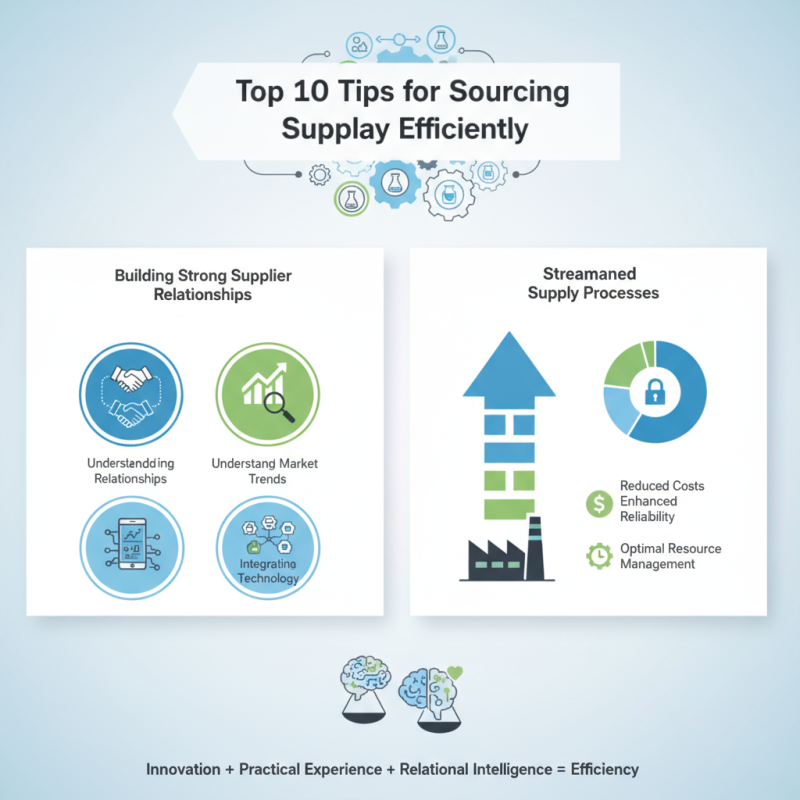
In the world of chemical supply, efficiency is vital. According to Dr. Emily Chen, a leading expert in chemical sourcing, “Streamlining supply processes can significantly reduce costs and enhance reliability.” With the continuous evolution of the industry, companies must adapt to changes. The right sourcing strategies ensure uninterrupted production and optimal resource management.

Many businesses neglect the importance of building strong supplier relationships. This oversight can lead to disruptions and inflated costs. Experts agree that a proactive approach can yield better partnerships and negotiation outcomes. Understanding market trends is equally crucial. Without awareness of supply chain dynamics, organizations may face unforeseen challenges.

Moreover, integrating technology into sourcing processes can offer tangible benefits. Advanced analytics can enhance decision-making and predict demand shifts. However, companies must remain vigilant. Over-reliance on technology without human insight may lead to missed opportunities. In the quest for efficiency, it is essential to balance innovation with practical experience and relational intelligence in the chemical supply landscape.
Top 10 Tips for Sourcing Chemical Supply Efficiently?

Understanding Your Chemical Supply Needs
Top 10 Tips for Sourcing Chemical Supply Efficiently?

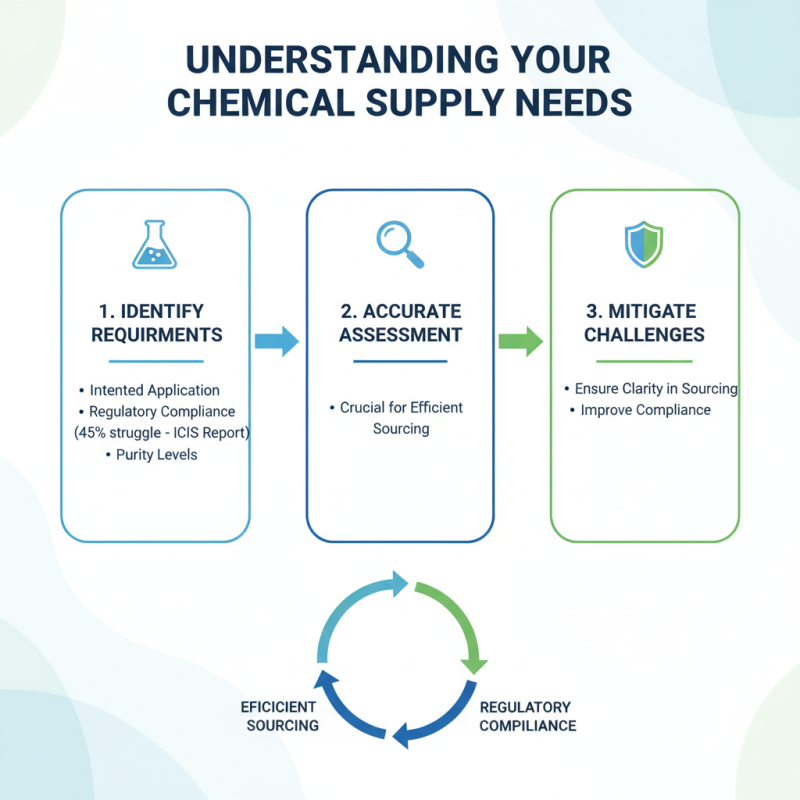
Understanding your chemical supply needs is crucial for efficient sourcing. Accurate assessment begins with identifying specific requirements. This includes understanding the intended application, regulatory compliance, and purity levels. According to a report from ICIS, nearly 45% of companies reported challenges in meeting compliance standards, highlighting the importance of clarity in sourcing needs.

Market demand plays a significant role in determining supply strategies. A survey by Deloitte found that 60% of chemical companies struggle with fluctuating prices. They recommend developing long-term relationships with suppliers to mitigate these issues. It's essential to combine quantitative data with qualitative assessments. Engage with industry experts to gain insights into market trends and potential disruptions. This gives clarity beyond basic calculations and enhances decision-making.

Consider the environmental impact of sourcing decisions. With stricter regulations on sustainability, over 30% of companies face pressure to reduce their carbon footprint. Evaluating suppliers on their sustainability practices can yield benefits. However, it's important to reflect on the balance between cost and compliance. Assessing the full implications of sourcing strategies can lead to more informed choices in the long run.
Researching Potential Suppliers Effectively

Top 10 Tips for Sourcing Chemical Supply Efficiently?

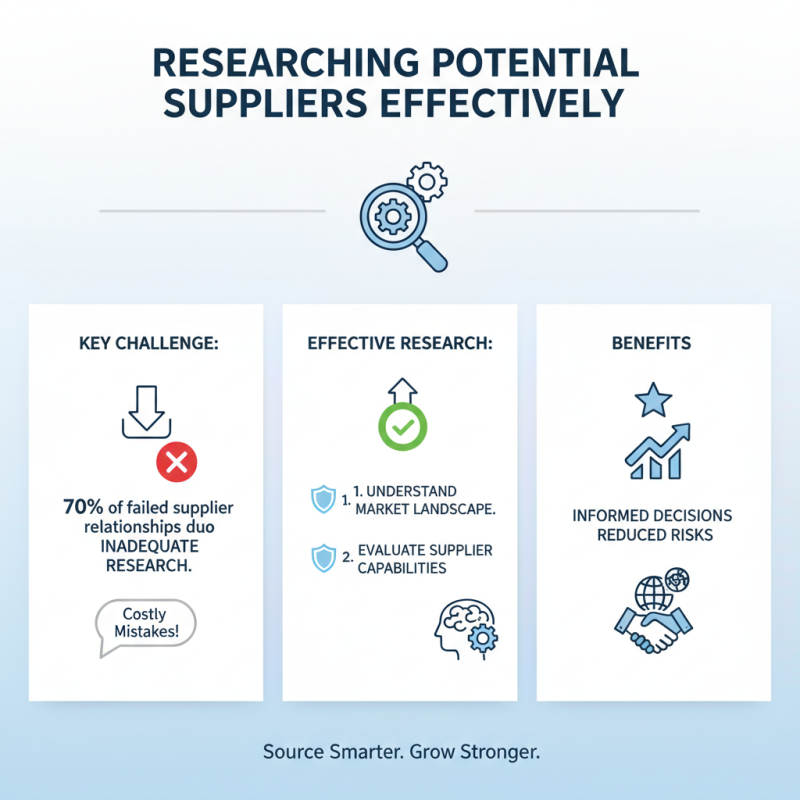
When sourcing chemical supplies, effective research is key. Understanding the market landscape helps in making informed decisions. Industry reports indicate that over 70% of failed supplier relationships stem from inadequate research. Companies often overlook details in supplier capabilities, leading to costly mistakes.

Evaluate suppliers based on their certifications and quality assurance processes. Transparency is crucial. Ask for documentation that verifies their processes. Consider visiting their facilities if feasible. Doing so provides you with a tangible sense of their operations and commitment to quality.

Utilize online resources and platforms that specialize in chemical supply. These sites often feature ratings and reviews from other businesses. Engage in industry forums to gather insights. Yet, remember that online data can be misleading. Always seek to validate the information through direct contact with suppliers.

Building relationships is vital. Initiate conversations to discuss your specific needs. This dialogue not only builds rapport but also unveils invaluable information about their flexibility and responsiveness. Often, suppliers may not fully disclose their strengths until asked. Keep these strategies in mind as you navigate the complexities of sourcing chemical supplies.

Evaluating Supplier Reliability and Quality

When sourcing chemical supplies, evaluating supplier reliability and quality is critical. A recent industry report estimates that businesses lose around 10-15% of revenue due to supplier issues. Maintaining a reliable supply chain reduces this risk significantly. Companies should assess suppliers by verifying their certifications and compliance with industry standards. Those that adhere to ISO certifications often demonstrate higher quality and reliability.

Surveys show that 78% of organizations prioritize supplier quality over cost. Focusing on this aspect can lead to better long-term outcomes. It is also important to perform regular audits of suppliers. These audits can reveal crucial insights, such as supply chain vulnerabilities. A proactive approach to evaluating supplier performance can help identify weaknesses and improve overall efficiency.

Supplier reliability isn’t solely based on financial stability. Communication and transparency play significant roles. Establishing open lines of dialogue fosters trust. It encourages suppliers to share information about their processes. This exchange can uncover areas for improvement. Inconsistent communication can lead to misunderstandings and delays. Therefore, building strong relationships with suppliers is essential for sustainable sourcing.

Top 10 Tips for Sourcing Chemical Supply Efficiently

Tip No. Tip Description Supplier Criteria Evaluation Method
1 Assess supplier certifications and compliance with regulations ISO Certification, Regulatory Compliance Review certification documents
2 Request and analyze customer references Customer Feedback, Case Studies Conduct reference checks
3 Evaluate production capabilities and capacity Production Volume, Technology Used Facility tours and audits
4 Check for consistent product quality Quality Assurance Processes, Test Reports Product sampling and testing
5 Identify flexibility in terms of order sizes and delivery times Order Flexibility, Lead Times Discuss terms during negotiations
6 Examine financial stability of the supplier Financial Reports, Credit Ratings Review financial statements
7 Consider geographical proximity Logistics, Transportation Costs Evaluate transportation options
8 Investigate supplier's safety and environmental practices Safety Records, Environmental Standards Review safety audits and certifications
9 Negotiate clear contract terms and pricing Contractual Clarity, Pricing Structure Review legal agreements
10 Establish a strong communication channel Response Times, Availability Regular check-ins and feedback sessions

Negotiating Terms and Pricing Strategically

Negotiating terms and pricing in the chemical supply chain can be complex. Start by researching market trends. Understanding current pricing dynamics equips you with leverage. Gather data on recent deals and changes in demand. This empowers you during discussions. Comparing quotes is essential, but don’t just focus on price. Evaluate the overall value offered.

When approaching negotiations, establish clear objectives. Know your limits before engaging with suppliers. Create a checklist of must-have terms. Flexibility can yield better partnerships. Communicate openly with suppliers to build trust. This can lead to more favorable terms in the long run. Consider bulk purchasing or long-term agreements to lower costs.

Mistakes can happen in negotiations. Overlooking the fine print may result in hidden costs. Always double-check agreements before signing. Seek clarification on unclear terms. Reflecting on past negotiations can reveal areas for improvement. Employing a strategic mindset can help secure better deals in the future.

Utilizing Technology for Supply Chain Efficiency

In today's fast-paced world, leveraging technology for supply chain efficiency is crucial. Many companies overlook the integration of advanced software tools. These tools can automate processes and reduce manual errors. For instance, using inventory management systems can provide real-time data on stock levels. This approach helps in making informed decisions about reordering chemicals.

Predictive analytics is another valuable technology. It can forecast demand and optimize supply chain operations. Companies that adopt data analytics benefit from improved accuracy in their projections. However, many still struggle with implementing these technologies effectively. Training staff on new systems is often overlooked, leading to underutilization of the tools. Regular audits of technology use can identify gaps and improve adherence.

E-commerce platforms can streamline procurement processes. They allow buyers to connect with suppliers efficiently. However, not all platforms guarantee the best prices or quality. Conducting thorough market research first is essential. Relying solely on automated matches can lead to unexpected challenges. Transparency in supplier communication is vital to minimize risks and ensure reliability in the supply chain. Adapting to these changes requires patience and a willingness to learn.

Scroll to Top