Chemical recycling is reshaping the waste management landscape. This innovative process offers a sustainable solution to the growing plastic crisis. According to the Ellen MacArthur Foundation, over 300 million tons of plastic are produced annually, with only 9% being recycled. Many industry leaders are now turning to chemical recycling for its effective waste conversion.
The benefits of chemical recycling are vast for global buyers, prompting increased interest. A report by the International Energy Agency highlights that chemical recycling can reduce greenhouse gas emissions by up to 50% compared to traditional methods. This aligns with global sustainability goals, making it a vital consideration for companies.
However, challenges remain. The technology is still evolving, and the scalability of chemical recycling processes is under scrutiny. Some systems may require high energy inputs, raising questions about overall sustainability. Buyers must carefully assess these dynamics while embracing the potential of chemical recycling in their operations.
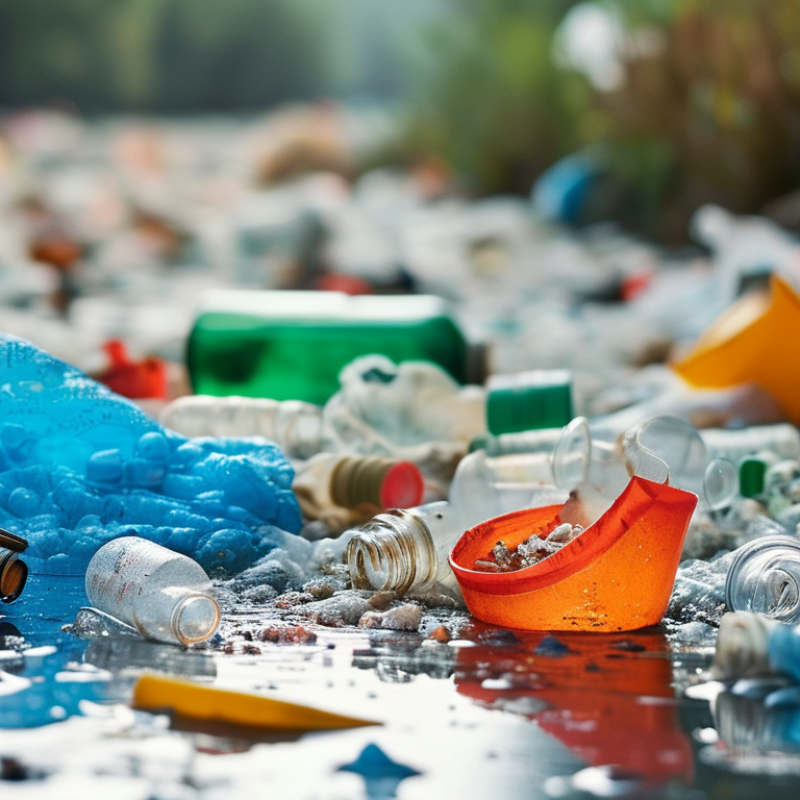
Chemical recycling offers significant benefits in reducing plastic waste. This innovative approach breaks down plastics into their original monomers, allowing for the creation of new plastics. Reports indicate that chemical recycling can divert up to 90% of plastic waste from landfills by transforming discarded materials back into reusable resources. This potential holds promise for the industry, especially as estimates suggest that around 300 million tons of plastic are produced each year globally.
Moreover, chemical recycling addresses the issue of contamination that often plagues mechanical recycling. Traditional methods struggle to process mixed plastic waste effectively. In contrast, chemical recycling can handle a broader range of plastics, including those previously deemed unrecyclable. A study by the Alliance to End Plastic Waste highlights that improving recycling technologies could lead to a 50% reduction in ocean plastic pollution by 2030.
Tip: For companies engaged in sustainable practices, investing in chemical recycling technologies can mitigate environmental impacts and reduce waste management costs.
Despite these advancements, challenges remain. The process can be energy-intensive and may produce emissions. Additionally, a lack of widespread infrastructure adds complexity to implementation. Companies must consider these factors when exploring chemical recycling options.
Tip: Collaborating with experts and organizations focused on sustainability can facilitate better strategies for integrating chemical recycling into existing systems.
Chemical recycling offers significant economic advantages for global markets. This innovative approach breaks down waste into raw materials. These materials can be reused in various industries, reducing the need for virgin resources. By decreasing reliance on fossil fuels, companies can save costs. Moreover, recycling helps mitigate fluctuations in raw material prices, providing stability for businesses.
Investing in chemical recycling improves brand reputation. Consumers increasingly favor sustainable practices. This demand creates opportunities for companies using recycled materials. By showcasing commitment to sustainability, businesses attract eco-conscious buyers. Additionally, chemical recycling can create jobs in the recycling sector, contributing to economic growth in local communities.
Tips: Always assess the quality of recycled materials. Some may not meet industry standards. Research local recycling initiatives to find best practices. Collaboration with experts can enhance your understanding and implementation of chemical recycling solutions. Engaging with academia can lead to new insights. This reflection can improve sustainability efforts over time.
Chemical recycling is reshaping sustainability for the global market. This process offers significant environmental benefits. By converting waste into usable raw materials, it reduces reliance on virgin resources. According to a recent report by the World Economic Forum, chemical recycling could divert over 30% of plastic waste from landfills by 2030.
The process also lowers greenhouse gas emissions. A study from the Ellen MacArthur Foundation indicates that chemical recycling can reduce emissions by up to 70% compared to traditional waste management methods. Despite these advantages, challenges remain. The process requires advanced technologies, often not available in developing regions.
Additionally, the energy requirements for chemical recycling can be substantial. Some methods rely on fossil fuels, potentially offsetting gains in emissions. Therefore, while chemical recycling presents a robust option for improving waste management, it requires ongoing innovation and investment. A balanced approach is essential for maximizing sustainability benefits in the long term.
| Benefit | Description | Environmental Impact | Economic Value |
|---|---|---|---|
| Resource Recovery | Transforms post-consumer waste back into usable resources. | Reduces landfill waste and promotes circular economy. | Decreases dependence on virgin materials, lowering costs. |
| Reduced Carbon Emissions | Lower greenhouse gas emissions compared to traditional recycling. | Helps combat climate change through reduced fossil fuel use. | Potential for lower carbon tax liabilities. |
| Enhancing Product Quality | Produces high-quality recycled materials suitable for various applications. | Minimizes pollution and waste overflow in production processes. | Increases product marketability and customer trust. |
| Job Creation | Creates employment opportunities within the recycling sector. | Supports local communities through employment and stability. | Economic growth through job creation in sustainability sectors. |
| Supporting Innovation | Encourages research and development in chemical recycling technologies. | Drives advancements in eco-friendly processes and materials. | Promotes sustained competitiveness in the market. |
| Energy Efficiency | Utilizes less energy compared to virgin material production. | Reduces energy consumption and associated emissions. | Potential savings on energy costs in manufacturing. |
| Waste Reduction | Significantly decreases the amount of waste entering landfills. | Preserves natural landscapes and ecosystems. | Minimizes disposal costs for companies. |
| Consumer Demand | Increasing consumer preference for sustainable products. | Fosters a market driven by sustainability values. | Enhances brand loyalty and market share. |
| Global Collaboration | Fosters partnerships across borders for resource management. | Promotes sharing of best practices and technologies globally. | Enables economies of scale for sustainable practices. |
| Regulatory Compliance | Aligns with increasingly stringent environmental regulations. | Reduces environmental risks for businesses. | Avoids penalties and potential legal issues. |
Chemical recycling is revolutionizing the waste management industry. Innovations in technology are key to its success. Enhanced processes convert plastic waste into valuable resources, creating a circular economy. This method improves resource efficiency and reduces environmental impact.
Implementing chemical recycling requires careful consideration. Buyers should evaluate various technologies available in the market. Advanced methods, such as pyrolysis and gasification, show promise. However, not all techniques are equally effective. Understanding local regulations and capabilities is essential for successful application.
Tips: Research emerging technologies consistently. Stay updated on industry developments. Collaborate with experts for best practices. Engage in pilot projects to assess feasibility before scaling. Emphasizing sustainability is fundamental for future success in this evolving space.
The rise of chemical recycling has been supported by increasing global trends and policies. Countries are setting ambitious waste reduction targets. For example, the European Union aims to recycle 70% of municipal waste by 2030. This initiative encourages businesses to adopt sustainable practices.
In the U.S., the National Recycling Strategy promotes innovations in recycling technologies, including chemical recycling. Recent data from the American Chemistry Council reveals that chemical recycling can potentially process over 30 million tons of waste plastic annually. This alternative can significantly reduce landfill use and increase resource recovery.
However, challenges remain. Not every facility has access to advanced chemical recycling technologies. The high cost of infrastructure development can deter investment. Additionally, regulatory frameworks around chemical recycling vary globally, leading to inconsistencies in implementation. These issues highlight the need for continued dialogue and policy refinement.