Who Are the Top Chemical Blending Companies in China?

China’s chemical blending sector serves manufacturers that need consistent formulations, dependable batch control, and flexible production capacity. Finding the top chemical blending companies, however, is not as simple as comparing website claims. A supplier may excel at custom formulations but offer limited packaging options; another may handle large volumes while providing less flexibility for small orders. Details matter.

This overview examines practical signals buyers can verify: blending equipment, quality-control procedures, product traceability, technical support, and experience across relevant industries. Look for clear batch records, documented testing, and facilities suited to the materials and volumes involved. Ask how a company manages sample approval, changes to a formulation, and delivery schedules. These questions reveal more than broad claims about quality.

The companies featured should be treated as candidates for further evaluation, not as a universal ranking. Capabilities, certifications, and service levels can change, and a strong fit depends on each buyer’s requirements. No shortlist is perfect. Some company information may be difficult to compare because suppliers disclose different levels of detail. That deserves scrutiny, not guesswork. By weighing verifiable evidence alongside communication and operational fit, readers can build a more reliable picture of China’s chemical blending partners.
Who Are the Top Chemical Blending Companies in China?

What Chemical Blending Companies Do in China

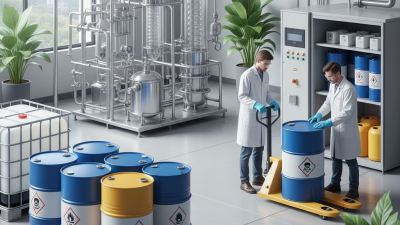
Chemical blending companies in China turn specified ingredients into consistent mixtures for industrial use. The work may involve liquids, powders, or pastes, depending on the product and the customer’s process. Small details matter. An operator may check a delivery label, compare a lot number, and inspect a sample before unloading. These routine checks can help prevent the wrong material from entering a batch.

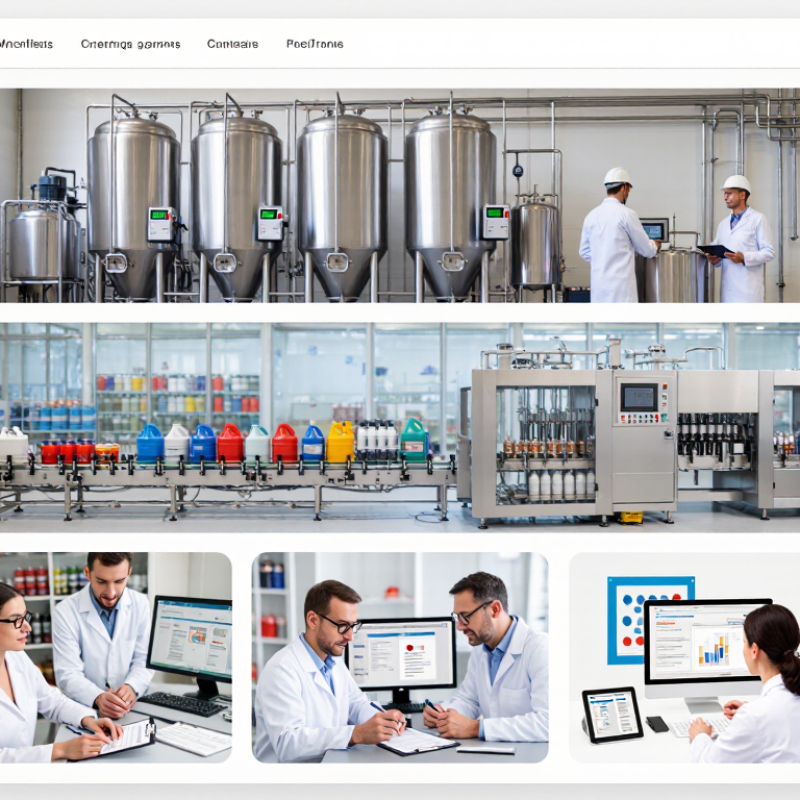
Inside a blending facility, technicians weigh ingredients, follow a batch sheet, and control mixing speed, time, and temperature. Some mixtures need gentle agitation; others require a set order of addition to reduce clumping or uneven concentration. Technicians may monitor color, density, pH, or viscosity when these properties appear in the product specification. After mixing, samples are tested, and records link each batch to its materials and processing conditions. Not every issue is visible.

Packaging and storage matter too. Containers must suit the material, while clear labels and retained samples support later checks. Customers can ask how a supplier handles process changes, results outside specifications, and traceability, rather than judging only by price. Good blending depends on repeatable controls, but no process is perfect. Even a clear procedure deserves periodic review. That humility helps.

How China’s Chemical Blending Industry Is Structured

China’s chemical blending industry is better understood as a network than a single factory model. Upstream producers supply base chemicals and additives, while blending plants combine them to meet defined performance requirements. Some facilities serve one company’s needs; others provide contract blending for multiple customers. The work can involve liquid mixing, powder handling, dilution, or adjusting viscosity and concentration. Small details matter. A clean transfer line can prevent residue from affecting the next batch.

The structure varies by region and customer base. Plants near industrial centers may serve coatings, construction materials, water treatment, or household care manufacturers. Their location can reduce delivery time, but proximity alone does not guarantee dependable supply. Buyers often assess batch records, laboratory testing, storage conditions, and the ability to maintain consistent specifications. A retained sample from each batch, for example, gives teams something concrete to review when results differ.

Blenders typically sit between raw-material suppliers and manufacturers that need ready-to-use formulations. Some focus on narrow product categories, while larger operations may offer broader services and packaging options. The boundaries are not always clear: a facility may formulate, blend, test, and fill products under one roof. That sounds neat on paper. In practice, capacity, staff experience, and process discipline can vary, so an audit and a small trial batch may reveal more than a polished capability sheet.

What Capabilities Set Leading Chemical Blenders Apart

Leading chemical blenders stand out through control, not just capacity. They convert a formulation into repeatable batches, with calibrated dosing, documented mixing times, and clear lot traceability. A small temperature drift can change viscosity or stability. Small errors matter.

The scale is substantial: the International Council of Chemical Associations’ 2023 industry report put global chemical sales at about US$5.7 trillion in 2022. In such a complex market, capable blenders need trained operators, well-maintained equipment, and laboratories that can check incoming materials and finished batches. ISO’s 2023 survey recorded more than 1.26 million valid ISO 9001 certificates worldwide, across all sectors. Certification alone does not prove a plant’s performance, but documented quality procedures make problems easier to investigate.

Strong sites also plan for supply disruptions and customer-specific requirements. They can adjust batch sizes, retain reference samples, and provide test records without slowing every order. A useful site visit looks beyond polished tanks: ask to see a real batch record, a calibration log, and how deviations are handled. The paperwork may be imperfect. The response should still be clear.

Who Are the Top Chemical Blending Companies in China? — What Capabilities Set Leading Chemical Blenders Apart

Capability Area What Strong Capability Looks Like Evidence Buyers Can Request Why It Matters
Formulation and process control Documented recipes, controlled addition sequences, defined mixing conditions, and procedures for managing process changes. Batch records, process flow diagrams, change-control procedures, and product specifications. Consistent process control helps reduce variation between production batches.
Production scale and flexibility Equipment and operating procedures suited to the product’s viscosity, batch size, handling requirements, and production schedule. Equipment list, available batch-size ranges, production-flow description, and representative capacity information. Matching equipment and production scale to the formulation can support reliable manufacturing and supply planning.
Quality management Defined inspection, nonconformance, corrective-action, traceability, and document-control processes. Current quality-system certificates, audit records where available, sample batch documents, and complaint-handling procedures. Structured quality systems make it easier to identify issues and track actions through production.
Laboratory and analytical testing Testing methods appropriate to the product, with calibrated equipment and controlled handling of samples and results. Test-method list, sample certificate of analysis, equipment calibration records, and laboratory accreditation scope where applicable. Suitable testing helps verify that materials meet agreed specifications; accreditation applies only to activities within its stated scope.
Raw-material sourcing and traceability Supplier qualification, incoming-material checks, lot identification, and links between raw-material lots and finished batches. Supplier-approval procedure, incoming inspection criteria, material records, and a traceability demonstration. Traceability supports investigation, risk management, and targeted product actions when a material issue arises.
Safety and environmental controls Risk-based procedures for chemical storage, handling, worker protection, waste management, and emergency response. Relevant permits and management-system certificates, safety data sheets, risk assessments, and site procedures. Controls should reflect the specific substances, processes, and applicable local requirements at the facility.
Hazard communication and documentation Product labels and safety data sheets prepared for the intended market and aligned with applicable hazard-communication rules. Current safety data sheets, label samples, classification rationale, and document-revision records. Accurate hazard information supports safe handling, storage, transport, and downstream use.
Packaging and logistics coordination Packaging selected for product compatibility, customer requirements, and applicable transport rules, with controlled dispatch records. Packaging specifications, compatibility information, shipping documentation, and storage or handling instructions. Appropriate packaging and documentation help protect product integrity and support compliant delivery.
Customer-specific support Clear procedures for technical inquiries, sample evaluation, specification review, and managing customer-approved changes. Technical-support workflow, sample and approval records, response process, and change-notification procedure. Good communication helps align the formulation, specification, and production process with the customer’s requirements.

Selection note: This table compares capability criteria rather than ranking individual companies. Verify certificates, permits, laboratory scope, and product documentation directly with each prospective supplier.

Who Are the Notable Chemical Blending Companies in China

Notable chemical blending companies in China are often recognized by the problems they solve, not by size alone. Some specialize in coatings, construction materials, water treatment, or industrial cleaning formulations. Their work may involve combining approved ingredients, adjusting viscosity, and checking batch consistency. A reliable facility keeps clear production records and tests samples before a blend leaves the site. Small details matter. A slight change in temperature can affect texture or stability.

For buyers, useful indicators include documented quality procedures, trained technical staff, and equipment suited to the product’s needs. Ask how a company manages raw-material checks, mixing time, and storage conditions. A tour can reveal practical details: clean transfer lines, labeled tanks, and retained samples from recent batches. These signs do not guarantee performance, but they support a more informed assessment. Specifications should also explain how results are measured, rather than relying on broad claims.

China’s blending sector is diverse, so a single ranking may hide important differences. A supplier strong in powders may not handle liquid formulations equally well. Be cautious with vague capacity figures or promises of identical results across every batch. Even careful processes have limits. Comparing trial samples, technical documents, and communication quality can show whether a prospective partner understands the application. Some evaluations remain uncertain until production begins.

How to Assess a Chemical Blending Company in China

How to Assess a Chemical Blending Company in China

A reliable assessment starts with the product, not a sales presentation. Share a representative formulation and ask how the facility controls weighing, mixing time, temperature, and batch records. Request a sample batch record with sensitive details removed. Check whether the documented process matches the equipment and production scale you need. Small details matter.

Review quality procedures, staff training, equipment maintenance, and traceability from incoming materials to finished batches. Ask how the company handles out-of-specification results, customer complaints, and process changes. Confirm that its permits and safety documentation are appropriate for the proposed work. Where possible, arrange a site visit and observe storage labels, calibrated scales, clean transfer lines, and separated material flows. A tour cannot prove everything, but it can reveal gaps worth discussing.

Tips: Ask for recent, anonymized quality records and clear acceptance criteria before placing an order. Clarify who approves formulation changes and how samples are retained. Compare several suppliers using the same questions; otherwise, polished presentations can distort your judgment. I would not rely on price or one successful sample alone. The less visible controls deserve attention too.

How to Assess a Chemical Blending Company in China

This suggested 100-point framework prioritizes regulatory compliance and product quality, while also considering process capability, health and environmental controls, and supply reliability. The weights are a buyer’s assessment model, not market statistics or ratings of specific companies. Verify permits, certificates, test records, and site practices directly.

Scroll to Top