Top 10 Superior Chemical Solutions for Industry Efficiency and Performance
In today's rapidly evolving industrial landscape, companies are increasingly seeking innovative ways to enhance efficiency and performance. One of the pivotal elements driving this transformation is the adoption of superior chemical solutions. According to a report by Grand View Research, the global specialty chemicals market is expected to reach $1 trillion by 2025, highlighting the growing reliance on advanced chemical formulations to meet diverse industry demands. This influx of investment underscores the crucial role that superior chemical solutions play in optimizing operations across sectors such as manufacturing, construction, and automotive.
Moreover, a study by MarketsandMarkets suggests that the demand for specialty chemicals will grow at a compound annual growth rate (CAGR) of 4.8% from 2020 to 2025, as businesses strive to implement more sustainable practices while maintaining high performance standards. With increasing pressure to reduce operational costs and environmental impacts, industries are turning to these advanced chemical solutions that not only enhance productivity but also promote eco-friendly practices. As we delve into the top 5 superior chemical solutions, we will explore their effectiveness in driving industrial growth and improving overall performance, setting the stage for future advancements in this essential field.
Innovative Chemical Solutions for Enhanced Industrial Productivity

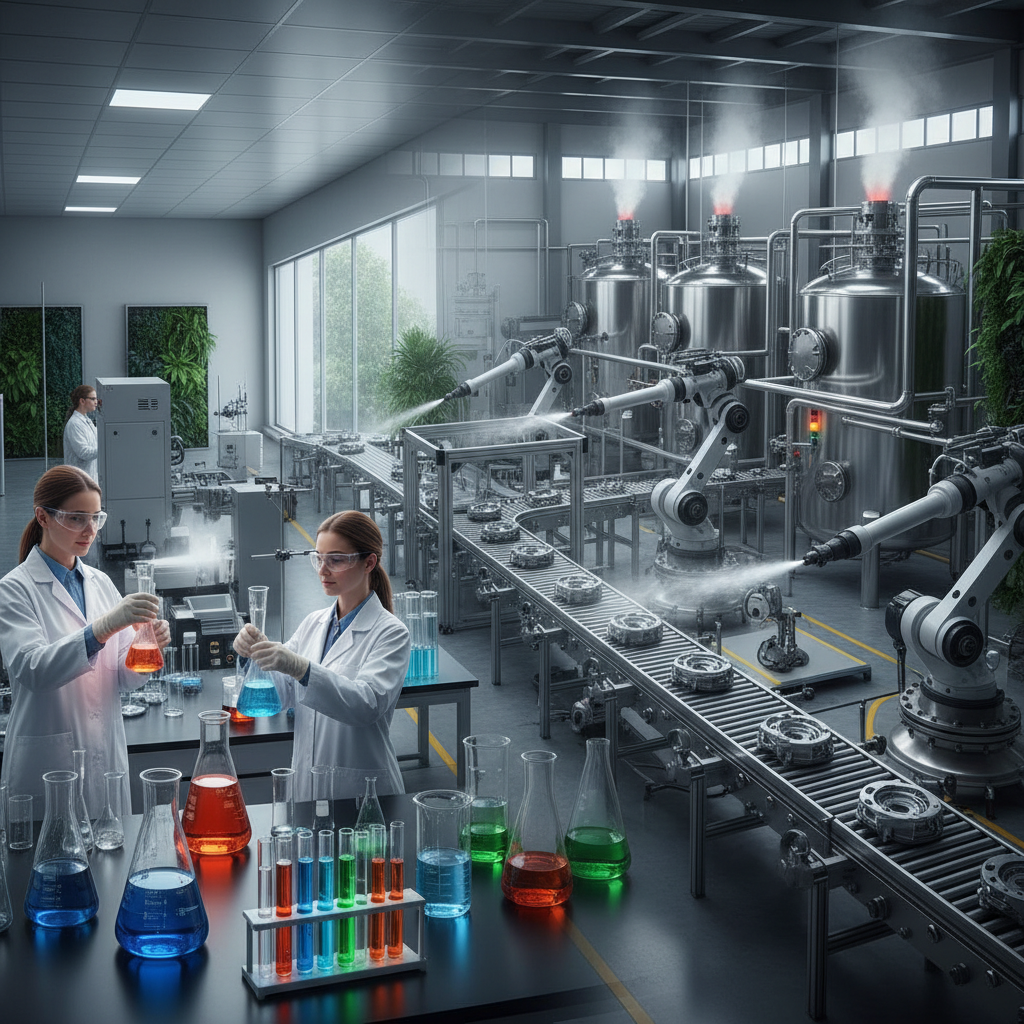
In today's competitive landscape, industries are increasingly turning to innovative chemical solutions to enhance productivity and efficiency. According to a recent report by the Global Chemical Industry Association, adopting advanced chemical technologies can increase operational efficiency by up to 30% while reducing waste and energy consumption. This shift not only minimizes environmental impact but also boosts profitability, as businesses are able to produce more with fewer resources.
One prominent example of this trend is the use of specialty chemicals that cater to specific industrial needs. A study published in the Journal of Industrial Chemistry revealed that employing tailor-made formulations can lead to productivity gains of 15% to 25%. These solutions, which include high-performance coatings and advanced surfactants, help businesses improve product durability and functionality, ultimately leading to enhanced customer satisfaction. By leveraging such innovative chemical solutions, industries are well-positioned to thrive in an era defined by sustainability and efficiency.
Sustainable Chemical Practices for Long-Term Efficiency Gains
Sustainable chemical practices are becoming increasingly vital for industries aiming to enhance efficiency while minimizing their environmental footprint. By utilizing bio-based chemicals, companies can significantly reduce their reliance on fossil fuels, leading to lower greenhouse gas emissions. For instance, adopting bioplastics not only helps in reducing plastic waste but also allows for the creation of products that are biodegradable, thus supporting a circular economy. This shift not only benefits the planet but can also improve brand reputation as consumers become more environmentally conscious.
Moreover, implementing green chemistry principles in production processes can streamline operations and reduce waste. Techniques such as solvent-free synthesis or using renewable solvents can lead to more sustainable manufacturing methods. These approaches not only optimize resource usage but also lower operational costs over time. As industries continue to adopt sustainable chemical solutions, they will find that these practices not only contribute to long-term efficiency gains but also pave the way for innovation and growth in an increasingly competitive market.
Cutting-Edge Technologies in Advanced Chemical Manufacturing
The landscape of advanced chemical manufacturing is rapidly evolving, with cutting-edge technologies redefining industry standards for efficiency and performance. Innovations such as automation, artificial intelligence, and data analytics are streamlining processes and enhancing production capabilities. These technologies enable manufacturers to optimize resource utilization, reduce waste, and increase the speed of chemical production. By embracing these advancements, companies can achieve significant improvements in both their operational efficacy and product quality.
Tip: Consider investing in integrated software solutions that can provide real-time data analysis. This allows for quicker decision-making and performance tracking, which can lead to substantial gains in productivity.
Furthermore, the incorporation of sustainable practices in chemical manufacturing is becoming increasingly vital. Techniques such as green chemistry not only minimize environmental impact but also promote safer production methods. Additionally, initiatives focused on recycling and resource recovery are gaining traction, showcasing the industry's commitment to sustainability without compromising efficiency.
Tip: Regularly assess your manufacturing processes for opportunities to incorporate sustainable practices, as this not only benefits the environment but can also reduce costs in the long run.
Top 10 Superior Chemical Solutions for Industry Efficiency and Performance
Key Performance Indicators for Measuring Chemical Process Effectiveness
In today's competitive landscape, measuring the effectiveness of chemical processes through Key Performance Indicators (KPIs) is crucial for industry efficiency. A recent analysis indicates that organizations employing targeted KPIs can enhance their process safety and mitigate risks significantly. For instance, the integration of Chemical Oxygen Demand (COD) as a KPI in assessing organic pollution has demonstrated a clear correlation between process adjustments and improvements in environmental outcomes. The ability to quantify such metrics allows companies to proactively manage inherent hazards tied to their chemical processes.
Moreover, the burgeoning focus on sustainability, especially in sectors like biopharmaceuticals where single-use plastics dominate, highlights the importance of sustainability-oriented KPIs. Reports suggest that businesses adopting eco-conscious suppliers and sustainable materials have seen a 20-30% boost in operational efficiency. This reveals that when organizations leverage advanced KPIs underpinned by sustainability principles, not only do they improve performance metrics, but they also align with consumer expectations and regulatory standards, driving long-term success.
In this shifting paradigm, harnessing effective KPIs remains a pivotal strategy for enhancing chemical process performance.
Integrating Chemical Solutions into Supply Chain Management for Optimal Results

Integrating chemical solutions into supply chain management is increasingly recognized as a pivotal strategy for enhancing operational efficiency and performance in the industry. By leveraging advanced technologies such as artificial intelligence and machine learning, companies can streamline processes, improve inventory management, and enhance overall decision-making. The transition from Industry 4.0 to Industry 6.0 underscores the need for sophisticated tools that can adapt to the complexities of modern supply chains.
Tips: When integrating chemical solutions into your supply chain, consider focusing on data-driven analytics. This approach can optimize your logistics and supply chain processes, helping to minimize waste and reduce costs. Additionally, investing in AI-powered software can provide real-time insights into market trends, facilitating proactive adjustments and strategic planning.
Moreover, the implementation of blockchain technology offers a robust framework for enhancing supply chain transparency. By fostering trust and accountability among stakeholders, blockchain can further streamline operations and mitigate disruptions caused by unforeseen events. As the chemical industry anticipates growth, embracing these technological advancements will be essential in achieving optimal results.