Top 10 Chemicals to Order for Your Home and Garden Needs?
When it comes to maintaining a thriving home and garden, knowing what to order chemicals is vital. According to industry expert John Harper, “The right chemicals can make all the difference in plant health and pest control.” He emphasizes the importance of selecting safe and effective products that promote growth without harming the environment.
In today’s market, a variety of chemicals cater to various needs. From fertilizers that replenish essential nutrients to herbicides that keep pesky weeds at bay, there’s an overwhelming selection. It's easy to be lost in the choices. Sometimes, people overlook the basics, which can lead to less fruitful results in gardening.
Moreover, ordering chemicals can seem daunting. Many products have complex instructions and potential risks. Mistakes can happen, especially for novices. It's essential to read labels carefully and seek guidance if unsure. Still, the right products can transform a garden from ordinary to extraordinary. With proper research and understanding, you can confidently order chemicals that will enhance your home and garden space.
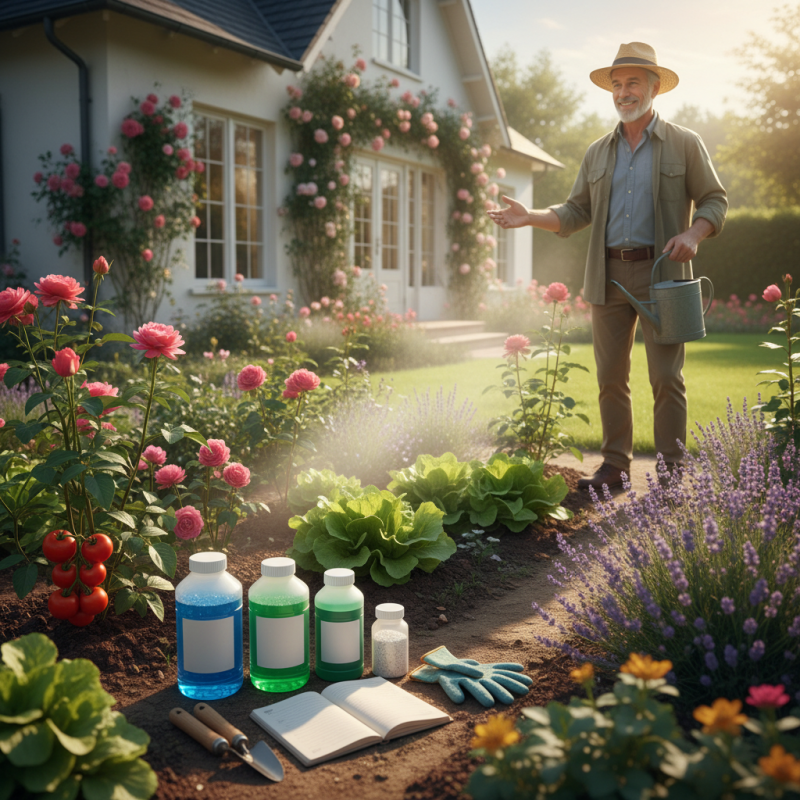
Top 10 Essential Chemicals for Home and Garden Maintenance
When it comes to maintaining a healthy home and garden, the right chemicals can make all the difference. A recent industry report indicates that about 45% of homeowners use some type of chemical to manage their gardens effectively. For instance, soil conditioners like garden lime help balance pH levels, promoting better nutrient absorption. This simple addition can lead to a bloom of healthier plants.
Fertilizers are equally crucial. Studies show that applying the right type can boost plant growth by up to 30%. Organic options are gaining popularity, with many homeowners recognizing the benefits of less harmful alternatives. However, chemical overuse can lead to runoff issues, which is a growing concern for local ecosystems. Some gardeners may overlook this aspect and risk harming the very environment they aim to nurture.
Pest control chemicals are also essential, especially in regions with high pest populations. In fact, a survey revealed that about 60% of gardeners had to tackle pest issues regularly. Homemade solutions, like soap sprays, can be effective. But many still rely on more conventional methods, often without considering the long-term effects on their garden’s health. Finding balance is key in this ongoing maintenance challenge.
Understanding the Role of Fertilizers in Plant Growth and Soil Health
Fertilizers play a crucial role in plant growth and soil health. Studies indicate that plants need 16 essential nutrients for optimal growth. Nitrogen, phosphorus, and potassium are key players in this process. According to a report by the Food and Agriculture Organization (FAO), proper fertilization can lead to yield increases of up to 50% in crops.
Soil health is equally important. Healthy soil provides a stable foundation for plants. It improves water retention and encourages the development of beneficial microorganisms. Research shows that soils deficient in organic matter can have reduced plant health. When adding fertilizers, it’s essential to balance nutrient levels. Over-fertilization can harm plants and soil. This calls for reflection on proper application methods.
Many gardeners overlook the significance of pH levels. The right pH can enhance nutrient availability. Soil testing can identify pH imbalances. A 2022 study revealed that nearly 40% of home gardens lack proper nutrient assessments. Through awareness and careful selection, gardeners can foster robust ecosystems in their spaces.
Top 10 Chemicals for Your Home and Garden Needs
This chart illustrates the importance levels of various chemicals needed for effective home and garden management, focusing on their roles in plant growth and soil health. Each chemical has been rated on a scale from 1 to 10 based on its significance in gardening and agricultural practices.
Pesticides: Balancing Efficacy and Environmental Safety in Gardens
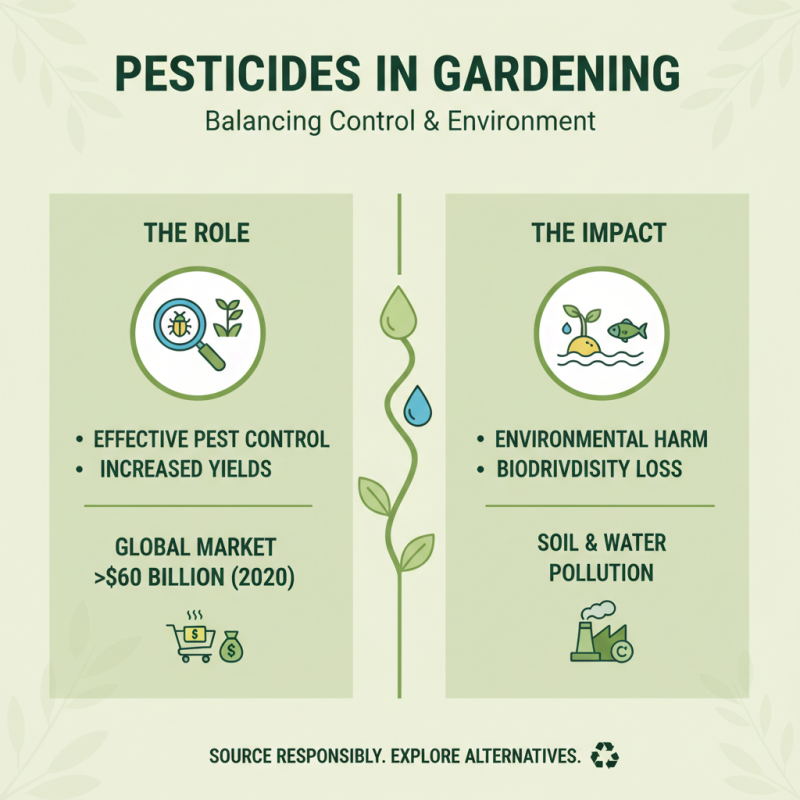
Pesticides play a crucial role in gardening. Many gardeners rely on them for effective pest control. In fact, studies show that the global market for pesticides was valued at over $60 billion in 2020. This emphasizes their widespread use in agriculture and home gardening. However, the impact on the environment cannot be ignored.
While pesticides can protect plants, their safety has been under scrutiny. The Environmental Protection Agency (EPA) reported that over 20% of pesticides might harm beneficial insects. This concern raises questions about the long-term effects of these chemicals on ecosystems. Balancing efficacy and safety is essential. Many gardeners are now seeking alternatives, such as organic pesticides. These options can be less harmful but may require more frequent applications.
Finding the right pesticide requires careful consideration. Home gardeners often underestimate the impact of their choices. With 75% of consumers preferring sustainable options, it's a turning point. Gardens can thrive without damaging the environment. It's vital to stay informed about both chemical and natural solutions. Continuous education is key as practices evolve.
The Importance of pH Adjusters for Optimal Soil Conditions
Maintaining optimal soil conditions is crucial for successful gardening. pH levels significantly influence nutrient availability and plant health. Most plants thrive in slightly acidic to neutral soil, around a pH of 6 to 7. A study by the Agricultural Research Service found that 40% of gardeners experience pH-related issues.
When soil pH is too high or too low, nutrients become less accessible. For instance, iron becomes less available in alkaline soils, leading to chlorosis in plants like azaleas and rhododendrons. Adjusting soil pH can rectify these issues. Gardeners should consider using natural pH adjusters, such as lime or sulfur.
Understanding the importance of pH adjustment is not always clear. Some gardeners might overlook testing their soil. According to data, 70% of home gardeners do not regularly test their soil pH. Testing helps to identify imbalances and ensures healthier plants. Regular monitoring can prevent such oversights, leading to more productive gardening efforts.
Cleaning Chemicals: Ensuring a Safe and Hygienic Home Environment
Keeping a clean home is essential for both health and comfort. Many people overlook the importance of using the right cleaning chemicals. A safe environment should be a top priority for any household. Choosing effective cleaning agents can help eliminate germs and allergens. Basic supplies like vinegar and baking soda are often used, but they may not suffice for all tasks.
It's vital to explore other options for tougher stains and grime. For instance, oxygen bleach is effective for laundry and surfaces. Using it ensures that whites stay bright and colors remain vibrant. Another option is a plant-based multi-surface cleaner that avoids harsh chemicals. This can help maintain a hygienic space without harmful residues.
However, using these products requires caution. Some may trigger allergies or skin reactions. Reading labels and understanding ingredients is crucial. One should always test a small area before full application. Gaps in knowledge can lead to mistakes, like mixing incompatible substances. Common sense should guide your choices. Balancing cleaning power with safety is essential for a truly hygienic home.