How to Use DL-Methionine for Health Benefits?
DL-Methionine is an essential amino acid with significant health benefits. Research indicates that it plays a critical role in protein synthesis and metabolic processes. The global market for DL-Methionine reached USD 1.8 billion in 2021 and is expected to grow steadily. This suggests a rising interest in its therapeutic uses and potential advantages for overall health.
Recent studies highlight DL-Methionine's role in supporting liver function and promoting detoxification. It also acts as an antioxidant, helping to reduce oxidative stress. Many people are exploring this amino acid as a natural supplement, particularly for enhancing mood and cognitive function. However, dosage and method of use are areas that need careful consideration.
Despite the excitement around DL-Methionine, some controversies persist. There are differing opinions on its effectiveness for specific health conditions. Furthermore, improper use may lead to unintended consequences. It’s essential to approach DL-Methionine supplementation with a balanced perspective, weighing its benefits against possible drawbacks. Understanding how to use DL-Methionine effectively can unlock its potential for better health.
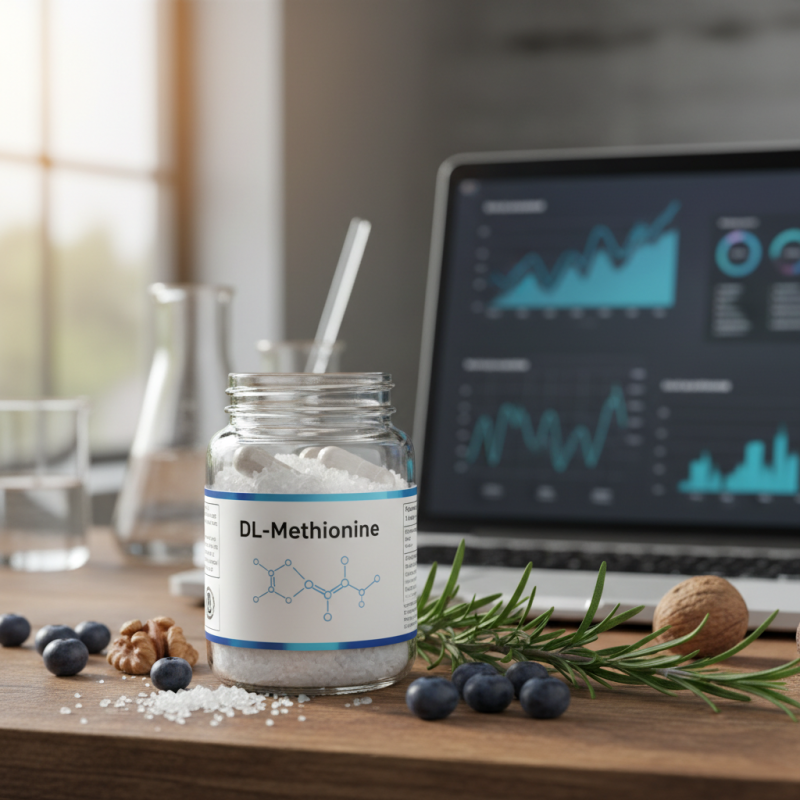
What is DL-Methionine and its Role in the Body?
DL-Methionine is an essential amino acid crucial for many bodily functions. It is vital for protein synthesis and the production of key molecules. This amino acid plays a significant role in methylation processes, which are essential for DNA repair and detoxification. Moreover, it contributes to the synthesis of important compounds like cysteine and taurine, which further support cellular health.
In the body, DL-Methionine acts as an antioxidant. It helps neutralize free radicals, reducing oxidative stress. This action may protect cells from damage. Methionine also supports liver function by aiding in the breakdown of fats. Individuals with poor dietary habits may not get enough of this amino acid, leading to potential deficiencies. Such states could raise concerns about overall health and well-being.
For many, incorporating DL-Methionine into their routines can be beneficial. However, it's vital to reflect on personal dietary choices. Not everyone needs supplements, and excess intake may cause issues. Balancing DL-Methionine through food sources is always a sound approach. Fresh fruits, vegetables, and whole grains can help meet these needs effectively.
Potential Health Benefits of DL-Methionine Supplementation
DL-Methionine is an essential amino acid that plays a significant role in various bodily functions. It serves as a building block for proteins and is crucial for the production of other important compounds. Many people may not realize that supplementation can offer several health benefits.
One potential health benefit of DL-Methionine is its ability to support liver health. It helps in detoxification processes, making the liver function more efficiently. Some studies suggest that it may reduce the risk of fatty liver disease. Incorporating this supplement might aid in healthier liver function, but not everyone experiences the same results. Individual responses can vary widely.
Moreover, DL-Methionine may contribute to improved mood and cognitive function. It is involved in the production of neurotransmitters, which regulate mood. Some individuals report feeling better and more focused after taking this supplement. However, excessive doses can lead to adverse effects, such as increased levels of homocysteine, which could be a concern. Caution is essential to ensure one does not overlook these potential downsides.
Recommended Dosages and Forms of DL-Methionine
DL-Methionine is an essential amino acid. It plays a vital role in various bodily functions. Many people seek it for its health benefits. However, understanding the right dosage and forms is crucial.
For adults, the typical recommended dosage ranges from 500 mg to 1,500 mg per day. This is often tailored based on individual health needs. It's wise to start with a lower dose. Gradually increase it based on your body's response. Some users report feeling improvements quickly, while others may take longer. It’s important to listen to your body.
DL-Methionine is available in various forms, including capsules and powders. Capsules are convenient and easy to take. Powders can be mixed with water or smoothies. However, there's no one-size-fits-all approach. Some might struggle with the taste of the powder. Adjusting dosages to fit personal preferences can help. Always consider checking with a healthcare provider before starting. This ensures proper use and minimizes potential side effects.
Possible Side Effects and Precautions When Using DL-Methionine
DL-Methionine is a sulfur-containing amino acid that has potential health benefits. However, it’s important to be aware of possible side effects. Commonly reported issues include gastrointestinal discomfort, nausea, and headaches. Some individuals may experience allergic reactions, which can manifest as skin rashes or swelling. Rarely, more severe effects, such as anxiety or irritability, have been noted.
When incorporating DL-Methionine into your routine, monitor your body's response. Start with a lower dosage to assess tolerance, gradually increasing if needed. For healthy adults, recommended dosages typically range from 500 mg to 1,500 mg daily. However, those with pre-existing conditions or on medication should consult a healthcare professional. Certain studies indicate that excessive intake can lead to an imbalance in other amino acids, highlighting the need for moderation.
Tips: Keep a diary of your experiences when using DL-Methionine. This can help identify any adverse reactions early. Drinking plenty of water may alleviate some side effects. Nutrition plays a vital role, and balance is key. Consider incorporating other amino acids and nutrients to maintain overall health. Always listen to your body and adjust as necessary.
How to Incorporate DL-Methionine into Your Diet?
Incorporating DL-Methionine into your diet can be beneficial for overall health. Start by including foods rich in this amino acid. Eggs, fish, and poultry are great sources. Plant-based options like legumes, nuts, and seeds also contain methionine. However, turning to supplements is an option many consider.
Adding DL-Methionine to your routine can be trickier. You may find it hard to judge the right dosage. It's essential to listen to your body. Monitor how you feel after incorporating it. Some may experience nausea or other digestive issues. This could indicate that adjustments are needed.
Experimenting with new recipes can simplify the process. Consider adding methionine-rich ingredients into smoothies or salads. It's a fun way to enhance meals while getting health benefits. Remember to maintain balance. Too much of anything can lead to problems. Reflection is key. Are you getting enough nutrients from your diet?
How to Use DL-Methionine for Health Benefits? - How to Incorporate DL-Methionine into Your Diet?
| Health Benefits | Recommended Daily Intake | Sources of DL-Methionine | Incorporation Methods |
| Supports Metabolism | 500-1000 mg | Meat, Fish, Eggs, Dairy Products | Add to smoothies or shakes |
| Antioxidant Properties | 500-1500 mg | Legumes, Nuts, Seeds | Mix with oatmeal or yogurt |
| Supports Liver Health | 1000 mg | Whole grains, Spinach, Broccoli | In salads or as a seasoning |
| Promotes Muscle Recovery | 500-2000 mg | Protein powders, Dietary supplements | Post-workout drinks |
| Potential Mood Booster | 500 mg | Chicken, Turkey, Cheese | In baked goods |