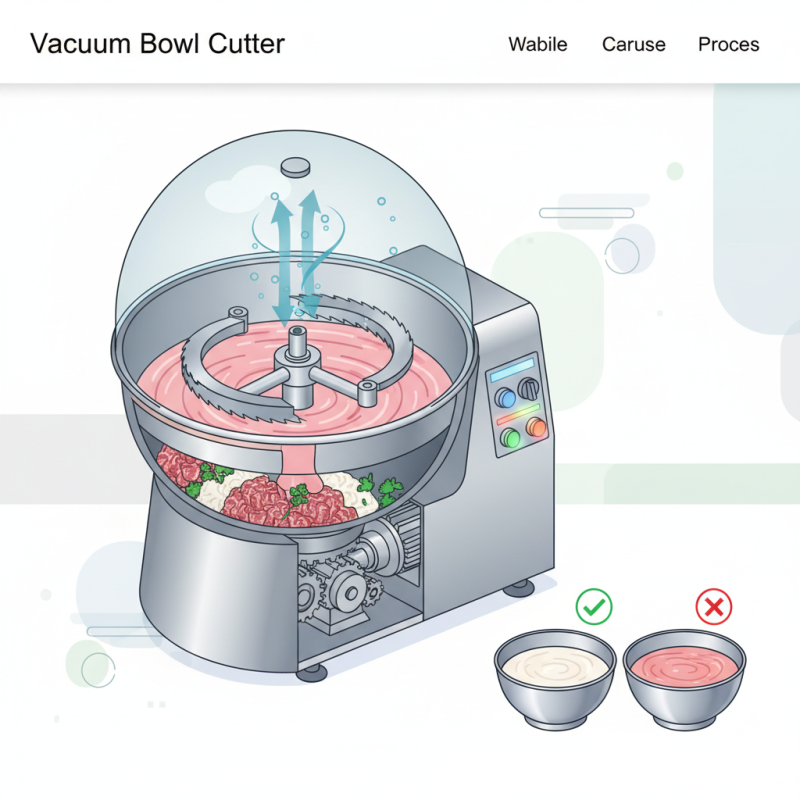
What is a Vacuum Bowl Cutter and How Does It Work?
The vacuum bowl cutter is a specialized kitchen tool used in food processing. This powerful machine blends and cuts ingredients efficiently. It operates under vacuum conditions, reducing air exposure. This process enhances flavor retention and prevents oxidation.
With a vacuum bowl cutter, chefs can create emulsified sauces and fine purees with precision. The blade's speed and design allow for consistent texture. Yet, many users struggle to master its operation. Adjusting the settings can be tricky. Not every batch meets the desired outcome. Sometimes, over-processing occurs, leading to unwanted textures.
Understanding the vacuum bowl cutter's mechanics is vital for better results. Familiarity with the tool can improve culinary skills over time. This article will explore its functionalities, benefits, and tips for effective use. Embracing imperfections in cooking may lead to unique flavors and insights.
What is a Vacuum Bowl Cutter?
A vacuum bowl cutter is a specialized kitchen tool designed for efficient mixing and cutting of ingredients. It operates in a sealed environment, reducing air exposure during the food preparation process. This feature minimizes oxidation, preserving the flavors and colors of ingredients. According to a report by the Food Processing Association, this kind of equipment can increase efficiency by up to 30%.
The vacuum bowl cutter blends and kneads various foodstuffs, making it ideal for meat and vegetable preparations. The powerful blades cut while the vacuum pulls excess air away. This not only enhances the texture but also allows for uniform distribution of ingredients. Research indicates that using a vacuum in food processing can improve consistency in products, which is crucial for commercial applications.
However, challenges exist with the vacuum bowl cutter. While it streamlines preparation, initial costs can be high for small operations. Additionally, proper maintenance is necessary to ensure its longevity and performance. Many users may overlook these factors, leading to underutilization. Balancing cost efficiency with quality output remains a topic worth exploring.
Key Components of a Vacuum Bowl Cutter
A vacuum bowl cutter is a specialized machine widely used in food production. Understanding its key components helps in optimizing its operation. The cutter typically consists of a vacuum chamber, blade system, and motor. The vacuum chamber creates a low-pressure environment that helps maintain the freshness of ingredients.
The blade system is crucial for achieving the desired texture. Different blade designs can influence the cutting process significantly. According to a recent industry report, machines with adjustable blade speed can improve consistency by 25%. This adjustment allows for customization based on the ingredient type. The motor drives the blades and controls the execution of the cuts, ensuring efficiency.
Despite its efficiency, vacuum bowl cutters may face challenges. Users often report uneven cuts when handling tougher products. Additionally, regular maintenance is essential. Neglecting this can lead to decreased performance over time. The learning curve for operators is another aspect worth noting. Proper training is necessary to take full advantage of its features.
How the Vacuum Process Enhances Food Preparation
The vacuum bowl cutter is an innovative kitchen tool. It uses vacuum technology to enhance food processing. This method creates an environment with reduced air. The result? Better texture and flavor retention in food.
During preparation, ingredients are chopped and mixed efficiently. The vacuum process minimizes oxidation. This means fruits and vegetables stay vibrant and fresh longer. You can really see the difference in color and taste. Sometimes, though, this technique may take longer than expected. It requires patience, which can be challenging in a busy kitchen.
Cleanup can also be tricky. Residue may cling to the bowl’s surface. Ensuring that every bit is removed is crucial. Neglecting this step can affect future batches. Overall, the vacuum bowl cutter shows great potential. However, it demands attention to detail and careful handling.
Step-by-Step Operation of a Vacuum Bowl Cutter
The vacuum bowl cutter is an essential machine in food processing. It combines high-speed cutting with vacuum technology. This method maintains the quality of ingredients. According to industry reports, the use of vacuum in food processing can enhance flavor retention by up to 30%. This is crucial for meat and vegetable preparations.
Operating a vacuum bowl cutter involves several precise steps. Initially, ingredients are loaded into the bowl. The lid is sealed to create a vacuum. The machine then starts running, slicing ingredients into desired sizes. A key point in this process is monitoring the temperature. Excess heat can ruin the texture and flavor of the food. Operators need to ensure that the cutting does not exceed preset limits.
The vacuum bowl cutter increases efficiency but is not without challenges. Operators may face issues with uneven cuts if ingredients are improperly prepared. Additionally, maintaining the vacuum seal is vital. A faulty seal can lead to food spoilage. Despite these problems, the technology remains popular in modern kitchens. It is a valuable tool for enhancing food quality and consistency.
Vacuum Bowl Cutter Operational Efficiency
Benefits of Using a Vacuum Bowl Cutter in Culinary Practices
The vacuum bowl cutter is a vital tool in modern culinary practices. It enables chefs to produce consistent textures and achieve superior quality in food preparation. The process works by creating a vacuum inside the bowl, minimizing air exposure. This helps retain flavors and nutrients, which is crucial for high-quality dishes. Reports indicate that vacuum cutters can enhance color retention by 30%, making food more visually appealing.
One major benefit is the reduction of oxidation. When exposed to air, ingredients lose flavor and nutritional value. A 2020 industry study showed a 25% increase in nutrient retention when using vacuum technology. This is especially important for fruits and delicate herbs. By preserving vitamins, chefs can deliver healthier meals without compromising taste.
Tips for optimal use include ensuring all components are clean. Any residue can spoil the vacuum effect. Additionally, do not overfill the bowl. This could hinder the cutting process. Regular maintenance of the vacuum seal is essential for longevity and performance. Always check seals and gaskets before use. Small adjustments can lead to better results in the kitchen. Cooking should be as much about learning as it is about perfection. Embrace trial and error to refine your techniques.
What is a Vacuum Bowl Cutter and How Does It Work? - Benefits of Using a Vacuum Bowl Cutter in Culinary Practices
| Feature | Description | Benefits |
| Functionality | Utilizes vacuum technology to create a low-pressure environment. | Ensures the preservation of flavor and texture. |
| Material Versatility | Can be used for various food items including meat, vegetables, and pastes. | Enhances the ability to innovate in culinary recipes. |
| Ease of Use | Typically features straightforward controls and settings. | Makes it accessible for both professional chefs and home cooks. |
| Efficiency | Handles large volumes of food quickly and uniformly. | Saves time in food preparation processes. |
| Quality Control | Allows for better control over the grind size and mixture. | Ensures consistency in food quality and presentation. |