
What Is Phosphoric Acid Used For in Industry?

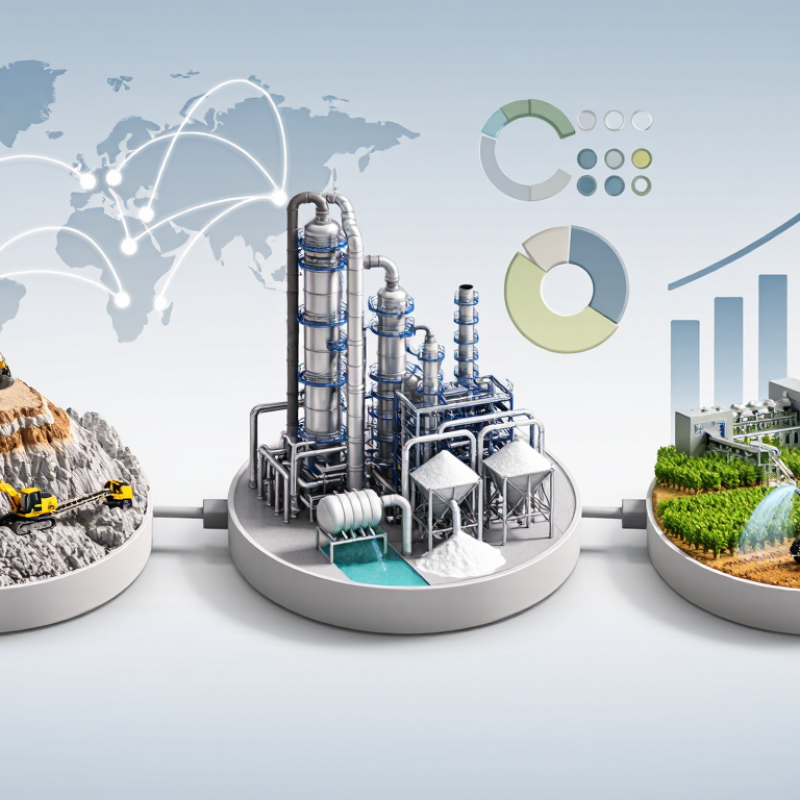
Phosphoric Acid is an industrial workhorse, moving quietly from phosphate rock mines into fertilizer plants, food factories, and water-treatment facilities. Its largest application remains fertilizer production. Wet-process phosphoric acid is reacted with ammonia to produce diammonium phosphate and monoammonium phosphate. These granular products support crop nutrition across major agricultural regions.

The U.S. Geological Survey’s Mineral Commodity Summaries 2024 reported approximately 220 million metric tons of phosphate rock production worldwide in 2023. That figure indicates the scale behind phosphoric acid manufacturing. The International Fertilizer Association also projects global fertilizer nutrient demand to keep rising through 2028. However, production figures can hide regional differences. Ore quality, sulfur availability, energy prices, and wastewater controls strongly influence plant economics.

“Phosphate rock is a finite, non-renewable resource,” notes Dr. Steven J. Van Kauwenbergh, a phosphate-resource specialist associated with the International Fertilizer Development Center. His observation remains highly relevant. Efficient acid recovery matters.

Beyond agriculture, Phosphoric Acid provides controlled acidity in beverages and processed foods. It also supports metal surface treatment, corrosion control, detergents, and certain water-treatment processes. In a factory, its role may appear simple: a clear, corrosive liquid entering a reactor. The chemistry is not simple.

Manufacturers must manage heat, impurities, fluorine compounds, and gypsum by-products. Cleaner processing is becoming more important. Yet, no single technology solves every environmental challenge. This article examines the principal industrial uses of Phosphoric Acid, the data behind market demand, and the practical trade-offs affecting modern production.
What Is Phosphoric Acid Used For in Industry?

What Is Phosphoric Acid and How Is It Produced?

Phosphoric acid is an inorganic acid commonly written as H3PO4. In industry, it usually appears as a clear, colorless liquid or concentrated solution. Its production begins with phosphate rock, which contains calcium phosphate minerals. Manufacturers grind the rock and react it with sulfuric acid. This wet process forms phosphoric acid and calcium sulfate, often called gypsum. The mixture is filtered, washed, and concentrated through controlled evaporation.

The wet process supplies most industrial demand because it handles large volumes efficiently. However, impurities from the ore can remain in the acid. Purification may involve filtration, solvent extraction, or other separation steps. Thermal production follows a different route. Phosphate rock is reduced at high temperature, producing elemental phosphorus, which is burned and hydrated to form a purer acid. This route consumes more energy.

Phosphoric acid supports several industrial applications. Fertilizer plants use it to provide soluble phosphorus. Food processors may use carefully controlled grades for acidity regulation. Metal treatment facilities apply it to remove rust and prepare surfaces before coating. It also appears in water-treatment chemicals and animal nutrition products.

Quality control matters greatly. Operators monitor concentration, fluoride, heavy metals, and temperature. Small changes can affect crystallization and equipment corrosion. The process is well established, but it is not simple. Gypsum management and wastewater control still require careful engineering. Production data should be verified for each ore source, because mineral composition can vary significantly.

What Chemical Properties Make Phosphoric Acid Useful?

What Is Phosphoric Acid Used For in Industry?

Phosphoric acid is useful because its chemistry is predictable and adjustable. Its three acidic hydrogen ions can dissociate in stages. This gives manufacturers control over acidity across different processes. It also forms phosphate salts with metals, minerals, and alkaline compounds. That reaction supports fertilizer production, water treatment, and industrial cleaning.

It is a weak, non-oxidizing acid compared with stronger mineral acids. This makes it suitable for controlled pH adjustment without aggressively attacking every material. Its buffering ability helps maintain stable conditions in food processing, water systems, and chemical manufacturing. Phosphate ions can also bind certain metal ions. In practical terms, this may reduce unwanted deposits or improve mineral availability.

The details matter. Concentration, temperature, contact time, and surface composition can change its behavior. On steel, for example, phosphoric acid may remove light rust and create an iron phosphate layer. The result is not always uniform. Surface oils, uneven oxidation, or poor rinsing can reduce performance. Operators should verify the process with measured pH, material-compatibility tests, and documented handling procedures. It is not universally gentle.

Its low volatility is another practical advantage. The acid remains mainly in the liquid phase during ordinary processing, allowing more controlled dosing. However, concentrated solutions can cause serious chemical burns and require suitable protective equipment. Storage tanks, pumps, and seals must resist acidic service. Small process errors can become expensive.

How Is Phosphoric Acid Used in Fertilizer Manufacturing?

Phosphoric acid is a central intermediate in fertilizer manufacturing. Most industrial production begins with phosphate rock, sulfuric acid, and water. This wet-process reaction releases phosphoric acid and forms calcium sulfate, commonly called gypsum. The acid is then filtered, concentrated, and tested before further processing. Its quality affects nutrient content, plant efficiency, and fertilizer consistency. Small errors matter.

Manufacturers commonly neutralize phosphoric acid with ammonia. This reaction produces phosphate fertilizers such as monoammonium phosphate and diammonium phosphate. Operators carefully control the ammonia-to-acid ratio, temperature, moisture, and slurry density. The mixture may enter a granulator, where rotating drums form small, solid particles. These granules are dried, screened, and cooled for storage. Proper control reduces dust and prevents uneven nutrient distribution.

The process is practical, but it is not flawless. Phosphate rock can contain fluorine, trace metals, and other minerals that require monitoring. Filtration performance also changes with rock composition and acid concentration. A reliable facility checks laboratory samples throughout production, rather than trusting one final test. Ventilation, corrosion-resistant equipment, and controlled handling are essential because phosphoric acid can damage skin, metals, and concrete. Gypsum management creates another challenge. Large quantities may require careful storage and site planning. The chemistry looks simple on paper, yet real plants depend on disciplined operators, accurate measurements, and continual process adjustments.

Fertilizer manufacturing is the dominant industrial use of phosphoric acid, accounting for approximately 80% of global consumption. It is mainly converted into phosphate fertilizers such as MAP, DAP, and triple superphosphate. Other applications include animal feed phosphates, food and beverage acidulants, water treatment, metal surface treatment, and miscellaneous industrial processes. Percentages are rounded industry-level estimates and may vary by region and year.

What Roles Does Phosphoric Acid Play in Food and Beverage Processing?

In food and beverage plants, phosphoric acid is mainly a controlled acidity tool. It lowers pH, sharpens flavor, and supports consistent batches. Operators may add it to beverages, syrups, processed foods, and some dairy formulations, depending on local approval. Small dosing matters. A few extra grams can change taste noticeably. Food-grade material should meet a recognized specification and arrive with traceable documentation.

Its technical role extends beyond sourness. Lower pH can limit the growth of many unwanted microorganisms, although acid alone does not make a product safe. Heat treatment, sanitation, packaging, and validated shelf-life studies still matter. Phosphoric acid can also help manage mineral reactions and reduce deposits in selected processing systems. In beverage production, it may support a clean, dry finish, while buffering ingredients can soften its sharp edge. Formulators check titratable acidity, not pH alone. That distinction is easy to miss.

Good practice requires calibrated pumps, corrosion-resistant contact surfaces, and documented addition points. Workers need suitable protective equipment because concentrated acid can burn skin and damage eyes. Mixing should follow the site’s written procedure, with acid added carefully to the intended water or product stream. Never improvise the order. Taste panels, laboratory tests, and production records help confirm that the formula performs as expected. Results can shift with water chemistry, storage temperature, and ingredient interactions. Even experienced teams sometimes treat pH as the whole answer, which is an incomplete shortcut.

How Is Phosphoric Acid Applied in Industrial Cleaning and Manufacturing?

Phosphoric acid is a practical workhorse in industrial cleaning and manufacturing. In cleaning systems, diluted solutions dissolve mineral scale, rust films, and phosphate deposits on steel equipment. Operators often apply it to heat exchangers, storage tanks, and food-processing surfaces, then rinse thoroughly. The surface may look clean quickly. That can be misleading. Residues, trapped moisture, or excessive contact time can still damage metal.

In manufacturing, phosphoric acid supports fertilizer production, phosphate salts, metal surface treatment, and selected food-processing applications. The U.S. Geological Survey reported global phosphate rock mine production of about 220 million metric tons in 2023. This figure shows the enormous raw-material base supporting phosphoric acid production, although it does not represent acid output directly. The International Fertilizer Association’s 2024 medium-term outlook also projects continued growth in global fertilizer demand through 2028. Much of the acid therefore enters agricultural manufacturing rather than cleaning operations.

Industrial users control concentration, temperature, contact time, and wastewater quality. These variables determine whether cleaning is effective or unnecessarily aggressive. In metal treatment, phosphoric acid can help create a phosphate conversion layer before coating, improving surface preparation. Results vary. Alloy composition, contamination, and rinsing discipline matter greatly. Reliable plants verify performance through surface inspections, process records, and laboratory testing, rather than relying only on visual brightness.

What Is Phosphoric Acid Used For in Industry? - How Is Phosphoric Acid Applied in Industrial Cleaning and Manufacturing?
Industrial Application How Phosphoric Acid Is Applied Typical Form or Working Range Common Materials or Feedstocks Primary Function and Result Important Process Controls
Phosphate Fertilizer Production Used to react with phosphate rock or ammonia to manufacture phosphate fertilizers and ammonium phosphate products. Merchant-grade acid commonly contains about 28–54% P2O5 by mass; the exact grade depends on the production route and downstream process. Phosphate rock, ammonia, potash and other fertilizer feedstocks. Supplies phosphorus and converts mineral phosphate into plant-available phosphate compounds. Acid concentration, temperature, slurry viscosity, impurity levels and corrosion-resistant equipment must be controlled.
Industrial Cleaning and Descaling Applied as a diluted aqueous solution, spray, circulation cleaner or immersion bath to dissolve mineral scale and iron oxides. Working concentrations vary widely; approximately 5–30% phosphoric acid is commonly used in formulated descaling systems, depending on scale thickness and substrate. Carbon steel, stainless steel, aluminum and other compatible surfaces; calcium carbonate scale and iron oxide deposits. Dissolves carbonate deposits and converts or removes rust, leaving a cleaner metal surface. Control concentration, contact time, temperature and surface compatibility. Rinse thoroughly and neutralize acidic wastewater when required.
Metal Pretreatment and Phosphating Used in acidic conversion-coating baths before painting, powder coating or other finishing operations. Dilute bath formulations are process-specific; free acid, total acid and phosphate levels are monitored rather than relying only on nominal acid concentration. Steel, galvanized steel and selected iron-containing surfaces. Creates a thin phosphate conversion layer that improves paint adhesion and helps reduce under-film corrosion. Monitor pH, free acid, total acid, bath temperature, contact time, sludge formation and surface cleanliness.
Rust Treatment and Corrosion Control Brushed, sprayed or immersed onto rusted steel as part of surface preparation. Often supplied in 10–30% acid formulations; commercial formulations may also contain wetting agents or corrosion inhibitors. Rusty carbon steel, iron components, tools, tanks and fabricated metal parts. Reacts with iron oxides and can form iron phosphate, helping prepare the surface for painting or further finishing. Remove loose rust and oil first; prevent prolonged exposure, flash rusting and residue entrapment in joints or porous surfaces.
Phosphate Salt Manufacturing Neutralized with alkalis, metal oxides or carbonates to produce phosphate salts for industrial formulations. Stoichiometric dosing is selected according to the target salt, such as mono-, di- or trisodium phosphate. Sodium, potassium, calcium, ammonium and aluminum compounds. Produces buffering agents, water-treatment chemicals, detergent builders and specialty phosphate intermediates. Control neutralization rate, pH, temperature, crystallization conditions and product purity.
Water Treatment Metered into industrial water systems to adjust acidity and provide phosphate for corrosion or scale-control programs. Dosage is site-specific and normally measured in mg/L or ppm; it depends on water chemistry and regulatory requirements. Boiler feedwater, cooling-water systems and process-water streams. Helps control pH and may support protective phosphate-film formation on metal surfaces. Monitor pH, alkalinity, phosphate residual, hardness, iron, discharge limits and the risk of excess nutrient release.
Electronics and Precision Manufacturing Used in selected etching, surface-conditioning and cleaning formulations where controlled acid chemistry is required. Typically used in dilute, tightly controlled formulations; concentration and temperature depend on the substrate and process design. Selected metals, oxide layers and process components compatible with phosphoric acid. Removes or modifies oxide films and helps prepare surfaces for subsequent bonding, coating or assembly steps. Require precise control of concentration, contamination, temperature, agitation, rinsing and wastewater treatment.
Flame-Retardant and Polymer Additives Used as a phosphorus source in the manufacture of phosphate esters and other phosphorus-containing additives. Used as a chemical feedstock rather than as a direct cleaning solution; reaction conditions depend on the target intermediate. Alcohols, phenols and other organic reactants used to make phosphate-based additives. Provides phosphorus chemistry for flame retardants, plastic additives, hydraulic-fluid components and specialty materials. Control reaction temperature, water content, catalyst conditions, acidity and product purification.
Food and Beverage Processing Used as a regulated acidity regulator, acidulant or processing ingredient in specific food and beverage applications. Food-grade material is used at formulation-specific levels; permitted uses and limits vary by jurisdiction. Acidified beverages, processed foods and selected food-processing operations. Adjusts acidity, contributes tartness and supports formulation stability in approved applications. Use only the required regulatory grade; control purity, dosage, labeling and applicable food-safety requirements.

Note: Concentration ranges are indicative industrial values, not universal operating specifications. Actual conditions depend on equipment materials, surface condition, process objectives, local regulations and the supplier’s technical data.

Scroll to Top