
What Is the Best Premium Ceremonial Matcha?

Choosing the best Premium Ceremonial Matcha requires more than admiring a bright green color. The finest powder should show careful sourcing, clean processing, and a fresh, balanced taste. However, “best” is not entirely objective. Personal preference matters, especially when comparing sweetness, bitterness, and texture.

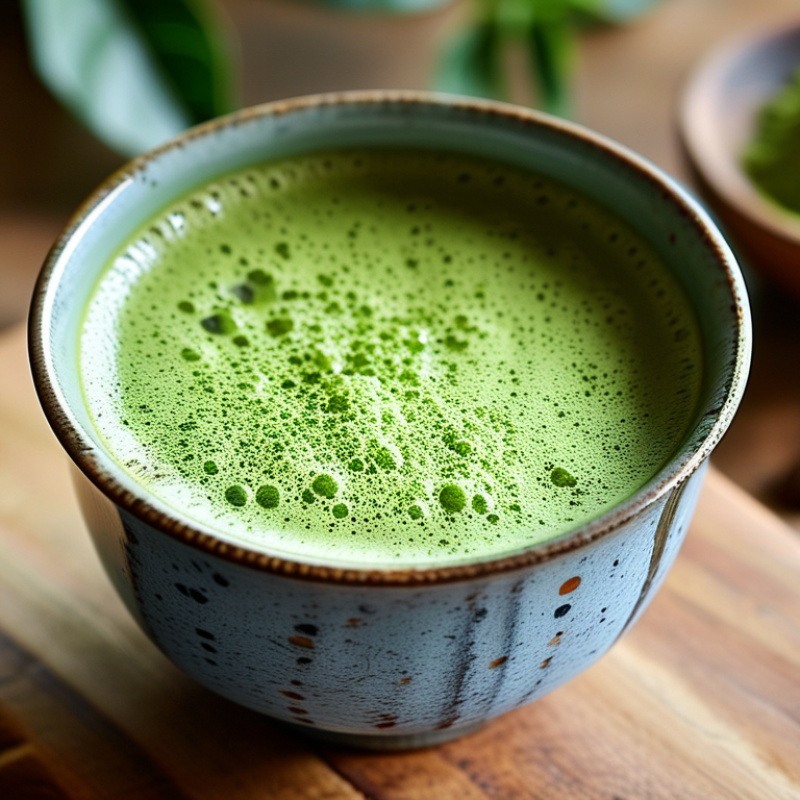
A reliable evaluation begins with the tea’s origin, harvest information, and production standards. Matcha from Japan often includes details about its growing region, cultivar, and shade-growing period. These details help, but they do not guarantee quality. A small bowl may reveal more than a polished label. Look for a vivid green appearance, a soft aroma, and powder that feels exceptionally fine between your fingers. When whisked, quality matcha should create a smooth foam rather than large, stubborn bubbles.

Taste matters most. Premium ceremonial matcha should offer gentle umami, mild sweetness, and a clean finish. Harsh bitterness may suggest age, poor storage, or a style that does not suit your palate. I have found that water temperature can change the experience dramatically; water that is too hot may flatten delicate flavors. Around 70–80°C often produces a more balanced cup, though personal testing remains useful. There is no perfect choice for everyone. This guide compares credible indicators, practical tasting methods, and serving details to help you choose with greater confidence. Mistakes are possible, and that is part of learning. Freshness, traceability, and honest sensory evaluation should guide the final decision.
What Is the Best Premium Ceremonial Matcha?

Define Ceremonial Matcha Using JAS Tencha and Stone-Milling Criteria

What Is the Best Premium Ceremonial Matcha?

Ceremonial matcha should begin with carefully produced tencha, not ordinary green tea. Under Japan’s agricultural standards, tencha is shaded before harvest, steamed, dried without rolling, and refined by removing stems and veins. This process creates thin, leafy flakes ready for grinding. However, “ceremonial” is not a universally protected legal grade. The word can describe quality, but it can also be used loosely.

Stone milling offers a more useful production clue. Traditional granite mills grind tencha slowly into an exceptionally fine powder. The powder should feel silky between your fingers, dissolve evenly, and form a bright, stable foam. Slow milling can help limit heat, although stone milling alone cannot guarantee freshness or flavor. Storage still matters greatly.

When I evaluate premium matcha, I look for a clear green color, fresh vegetal aroma, gentle sweetness, and balanced umami. Harsh bitterness often signals poor leaf selection, age, or careless preparation. I once judged color too quickly and missed a cleaner, more complex cup. That was a useful mistake. A reliable assessment should include harvest information, tencha sourcing, milling details, and laboratory-tested safety documentation when available. The best cup is not always the brightest one. It should taste vivid, smooth, and honest in warm water.

Assess 20–30 Days of Shade-Growing for Umami and L-Theanine Levels

What Is the Best Premium Ceremonial Matcha?

A serious assessment begins with shade duration, not a bright green label. Tea plants shaded for 20–30 days receive less sunlight before harvest. This commonly preserves L-theanine and supports a deeper umami profile. Research published in the Journal of Agricultural and Food Chemistry links shading with higher theanine retention and lower catechin formation. The result should taste round, savory, and less aggressively bitter. Not sweeter, exactly.

Look for traceable harvest details and independent laboratory results. ISO 11287:2017 helps classify green tea, but it does not define “ceremonial” quality. That term remains largely commercial. A stronger evaluation compares L-theanine, caffeine, catechins, moisture, and contaminant results. Japan’s National Agriculture and Food Research Organization reports that shading practices influence amino acids and aroma compounds, though growing conditions still create major variation. This matters. A 20-day shade period does not guarantee superior flavor. Cultivar, harvest timing, milling temperature, and storage can weaken the benefit. I would also question unusually vivid color without supporting laboratory data. My own tasting preference favors a smooth finish and seaweed-like savoriness, but sensory judgment is imperfect. Use it alongside documented cultivation records and current test reports.

Compare Color, Particle Size, Catechins, and Professional Tasting Scores

What Is the Best Premium Ceremonial Matcha?

The best premium ceremonial matcha is not defined by price alone. Color offers the first useful clue. A vivid, fresh green usually suggests careful shade-growing and limited oxidation. However, color can mislead. Lighting changes everything. I prefer examining the powder in neutral daylight, where bright green appears clean rather than artificially intense.

Particle size affects texture and preparation. Finer particles suspend more smoothly, creating a dense, creamy cup. A well-made powder should feel almost silky between the fingers. Small clumps are not automatically a flaw, though they may show moisture exposure. Sifting helps reveal the difference. It also exposes my own bias: I sometimes reward smoothness more than flavor complexity. That may be unfair.

Catechin levels add another layer. These compounds can contribute bitterness and astringency, so higher numbers do not guarantee better taste. Reliable comparisons require laboratory testing, consistent brewing water, and the same serving weight. Professional tasting scores are useful when trained evaluators judge aroma, color, umami, bitterness, sweetness, texture, and finish under controlled conditions. A high score should explain why, not merely display a number.

Taste it slowly. Notice the finish.

In my experience, the strongest ceremonial matcha balances luminous color, fine texture, gentle bitterness, and lingering sweetness. Yet preferences differ. One panel may value intense umami, while another prefers a lighter, floral profile. The most trustworthy choice combines sensory evidence with transparent testing, not attractive packaging or unsupported claims.

Rank Uji, Nishio, and Yame Using MAFF Production and Origin Data

What Is the Best Premium Ceremonial Matcha?

Premium ceremonial matcha should be judged by origin, production practice, and freshness. MAFF production statistics offer useful context, but they do not certify a “ceremonial” grade. Uji, in Kyoto, has the strongest historical reputation and a refined tea culture. Its shaded fields often produce a smooth, umami-rich cup with gentle bitterness. Nishio, in Aichi, is a major matcha-producing area with reliable processing expertise and broad supply. Its flavor can feel round, mellow, and slightly sweet. Yame, in Fukuoka, is known for shaded tea and rich, aromatic leaves. The cup may show deeper sweetness and a fuller finish.

Production volume is not a quality score. MAFF data can reveal regional scale, harvested area, and yearly changes. Origin records also help separate authentic regional tea from vague labeling. Still, these figures cannot measure stone-milling speed, leaf freshness, or storage conditions. That part requires careful tasting. I have found that a bright green powder can still taste flat. Appearance is not enough.

Tips: Compare matcha from the same harvest year. Check the stated growing area, cultivar, shade period, and milling date. Use cool water, around 70–80°C, and whisk for a fine foam. Taste each sample without sugar first. Uji may suit delicate drinkers, while Nishio offers consistency and Yame brings richer depth. This ranking remains imperfect because climate and producer skill can change every harvest.

What Is the Best Premium Ceremonial Matcha?

Uji, Nishio, and Yame compared through MAFF tea-growing-area data

The chart compares the total tea-growing area of the prefectures associated with three major matcha origins. Kyoto represents Uji, Aichi represents Nishio, and Fukuoka represents Yame.

A larger tea area indicates a broader regional production base, not necessarily higher ceremonial-matcha quality. MAFF prefectural figures cover all tea production and are not limited to shade-grown tencha or matcha. Values are rounded hectares based on MAFF 2023 tea statistics.

Select the Best Matcha Through ISO 11287, Freshness, and Cost per Gram

The best premium ceremonial matcha is not chosen by color alone. A bright jade hue can impress, yet it may hide harsh bitterness or careless storage. I look for evidence before tasting. ISO 11287 offers a useful reference for matcha identity, composition, and quality requirements. However, it does not automatically declare one powder “premium.” Treat the standard as a checkpoint, not a trophy.

Freshness changes the cup quickly. Ask for a harvest date, milling date, lot number, and clear storage guidance. An unopened pouch should feel like protection, not decoration. After opening, I check the aroma first. Fresh matcha smells grassy, sweet, and slightly creamy. Flat, dusty, or sea-like odors raise concerns. The powder should whisk into a smooth, vivid suspension. Small clumps are normal. Persistent grit is not.

Cost per gram creates a more honest comparison. Divide the total price, including shipping, by the net weight. Then calculate the cost of one serving, usually one to two grams. A cheaper tin may deliver less usable powder because of waste or weak flavor. Still, expensive does not always mean better. My own tasting notes are imperfect, especially after coffee or poor sleep. I would compare blind samples, record bitterness, sweetness, texture, and aftertaste, then review the result the next day. Taste can mislead. Evidence helps.

What Is the Best Premium Ceremonial Matcha? — Select the Best Matcha Through ISO 11287, Freshness, and Cost per Gram

Evaluation Dimension Evidence-Based Fact Preferred Benchmark How to Check Suggested Weight
ISO 11287 alignment ISO 11287:2017 establishes the definition and basic requirements for green tea. It does not create an official “premium” or “ceremonial” grade. The product should be clearly identified as green tea, with traceable origin, lot information, and basic quality documentation. Look for a product specification, batch or lot code, country or region of origin, net weight, and an identifiable production date. 25%
Harvest and milling traceability Matcha gradually loses aroma and color after milling because the fine powder has a large surface area exposed to oxygen and light. A stated harvest season plus a milling or packing date is stronger evidence than a best-before date alone. Prefer powder milled or packed within approximately 6 months when the date is available. Give higher scores to products that state harvest, milling, or packing dates and provide a consistent lot code. 15%
Packaging protection Light, heat, moisture, and oxygen accelerate quality loss in powdered green tea. An opaque, airtight, moisture-resistant inner package with minimal headspace is preferred. A small container is generally better than a large, frequently opened one. Check whether the powder is sealed in an opaque pouch, tin, or inner bag. After opening, reseal tightly and store cool, dry, and away from light. 15%
Color and appearance Fresh matcha commonly appears bright or vivid green. Dull olive, brown, or gray tones can indicate age, oxidation, poor storage, or lower-grade leaf material. Uniform, vivid green powder with no visible moisture clumps or foreign particles. Inspect the powder under neutral light. Color is useful for screening but should not be treated as conclusive proof of quality. 10%
Aroma and flavor High-quality matcha is generally expected to have a fresh vegetal aroma, balanced umami, mild sweetness, and limited harsh bitterness. Sensory quality is influenced by cultivar, shading, harvest, processing, and storage. Fresh grassy or seaweed-like aroma, smooth texture, balanced umami, and a clean finish without stale, musty, smoky, or rancid notes. Whisk approximately 2 g with 60–70 ml of water at about 70–80°C. Evaluate aroma, bitterness, astringency, sweetness, mouthfeel, and finish. 20%
Cost per gram Cost per gram allows fair comparison between different package sizes and should be calculated from the net weight, not the container size. Formula: Total purchase price ÷ net matcha weight in grams. Examples: $24 ÷ 20 g = $1.20/g; $36 ÷ 30 g = $1.20/g; $45 ÷ 30 g = $1.50/g. 15%
Use-after-opening freshness Opening exposes the powder to oxygen and moisture. The product is usually at its best soon after opening, especially when stored incorrectly. Buy an amount that can reasonably be consumed within approximately 4–8 weeks after opening, unless the package provides different storage guidance. Choose smaller packages for occasional use. Reseal immediately after use and avoid storing near heat, steam, or direct sunlight. Included in freshness
Final selection rule “Ceremonial” is a marketing term rather than a globally harmonized ISO grade, so the best choice should be based on documented quality and sensory performance. Select the highest-scoring option that has traceable production information, strong freshness indicators, acceptable sensory quality, and a sustainable cost per gram. Score each category from 1 to 5, multiply by the suggested weight, and compare the total rather than relying on the word “ceremonial” alone. 100%
Practical conclusion: The best premium ceremonial matcha is the product with the clearest traceability, the freshest milling or packing information, protective packaging, vivid and clean sensory characteristics, and a reasonable cost per gram—not necessarily the product with the highest price or the word “ceremonial” on the label.
Scroll to Top