Top 10 Essential Features of Chemical Labs for Effective Research
In the rapidly evolving field of scientific research, chemical labs play a pivotal role. Effective research depends on several essential features that enhance productivity and safety. According to a report from the National Institute of Standards and Technology, 70% of lab mishaps stem from inadequate facilities and training. This statistic highlights the critical need for robust infrastructure in chemical labs.
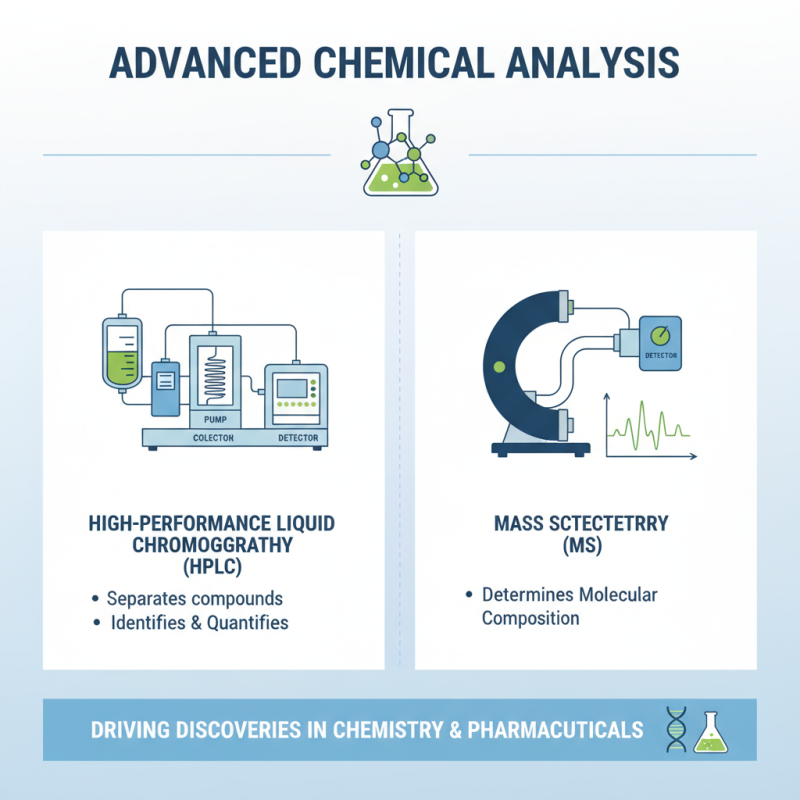
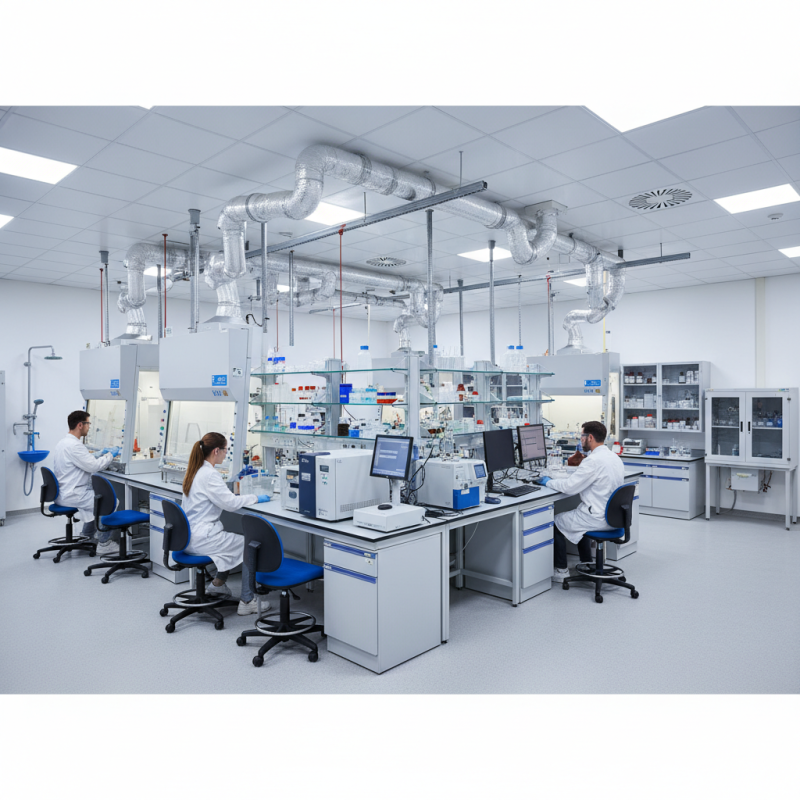
Dr. Emily Cartwright, a leading expert in laboratory design, emphasizes, "A well-equipped chemical lab is the backbone of innovative research." Her insights underline the importance of ergonomic workspaces and modern safety equipment in preventing accidents. Essential features like proper ventilation, adequate storage, and advanced analytics equipment are fundamental in facilitating groundbreaking discoveries.
Yet, many labs still struggle with outdated equipment and poor layout. The absence of streamlined workflows hampers researchers and can lead to frustration. It's vital for laboratory managers to recognize these gaps and address them proactively to foster an environment conducive to true innovation within chemical labs.
Essential Safety Protocols in Chemical Labs for Effective Research
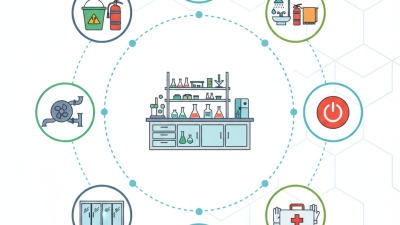
In chemical labs, safety protocols are crucial for effective research. First, personal protective equipment (PPE) must be worn at all times. Lab coats, gloves, and goggles can prevent many injuries. It is essential to evaluate the materials you are working with. Some chemicals can be highly reactive or toxic.
Tips: Always check the Safety Data Sheets (SDS) for proper handling procedures. Don't skip this step. Understanding potential hazards is key.
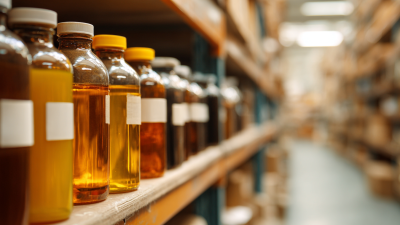
Furthermore, maintaining a clean workspace is vital. Clutter can lead to accidents or contamination. Designate specific areas for storing chemicals and equipment. Regularly inspect these spaces for leaks or spills. Don't wait for a problem to arise.
Tips: Implement a weekly lab safety checklist. This simple practice can highlight overlooked issues. Make it a habit to engage your team in safety discussions.
Emergency protocols should be well-established. Are all team members trained on procedures? For instance, locate fire extinguishers and eyewash stations. Knowing how to respond in an emergency saves lives. It fosters a culture of safety, but reflexive behavior is challenging.
Tips: Run mock drills occasionally. This can reveal gaps in your team's preparedness. Reflection on these practices can lead to improvement. Safety should never be an afterthought in research settings.
Optimal Lab Layout and Design to Enhance Research Efficiency
The optimal layout and design of a chemical lab play a crucial role in enhancing research efficiency. According to a report by the International Laboratory Consultants, well-organized lab spaces can increase productivity by up to 30%. Thoughtfully arranged workstations reduce the time spent searching for equipment. Elements like adjustable benches and mobile carts make a significant difference.
Incorporating dedicated zones for different tasks can also boost safety and minimize errors. A study from the Laboratory Safety Institute highlights that 50% of accidents occur due to poor workspace organization. Labs should include clear signage and color-coded storage to facilitate a quick response during emergencies. These small adjustments impact overall lab dynamics significantly.
However, even with the best plans, some labs still struggle with effective use of space. Miscommunication among team members about workflow can disrupt processes. Share ideas and reassess layouts frequently. Constantly evolving lab needs require flexibility, yet many facilities overlook this aspect. Regular updates and feedback loops are critical for adaptation and improvement in research environments.
Top 10 Essential Features of Chemical Labs for Effective Research
| Feature |
Description |
Importance |
| Ergonomic Workstations |
Adjustable work surfaces and seating to reduce fatigue and increase comfort. |
Enhances productivity and reduces health-related absences. |
| Chemical Storage Cabinets |
Secured cabinets designed to safely store hazardous materials. |
Ensures safety and compliance with regulations. |
| Fume Hoods |
Ventilated enclosures that protect users from inhaling hazardous fumes. |
Critical for maintaining a safe working environment. |
| Safety Showers and Eyewash Stations |
Emergency facilities for immediate decontamination. |
Essential for rapid response to chemical spills or exposure. |
| Proper Lighting |
Bright, even lighting to reduce errors during experiments. |
Improves accuracy in research activities. |
| Clean Room Facilities |
Controlled environments to minimize contamination. |
Crucial for high-precision experiments. |
| High-quality Analytical Instruments |
Accurate instruments for reliable data collection. |
Vital for achieving valid research outcomes. |
| Data Management Software |
Tools for storing, analyzing, and sharing research data. |
Streamlines research processes and enhances collaboration. |
| Collaboration Spaces |
Areas designed for teamwork and brainstorming. |
Fosters innovation and knowledge sharing among researchers. |
| Waste Disposal Systems |
Proper segregation and disposal of chemical waste. |
Ensures environmental protection and legal compliance. |
Effective Waste Management Systems in Chemical Laboratories
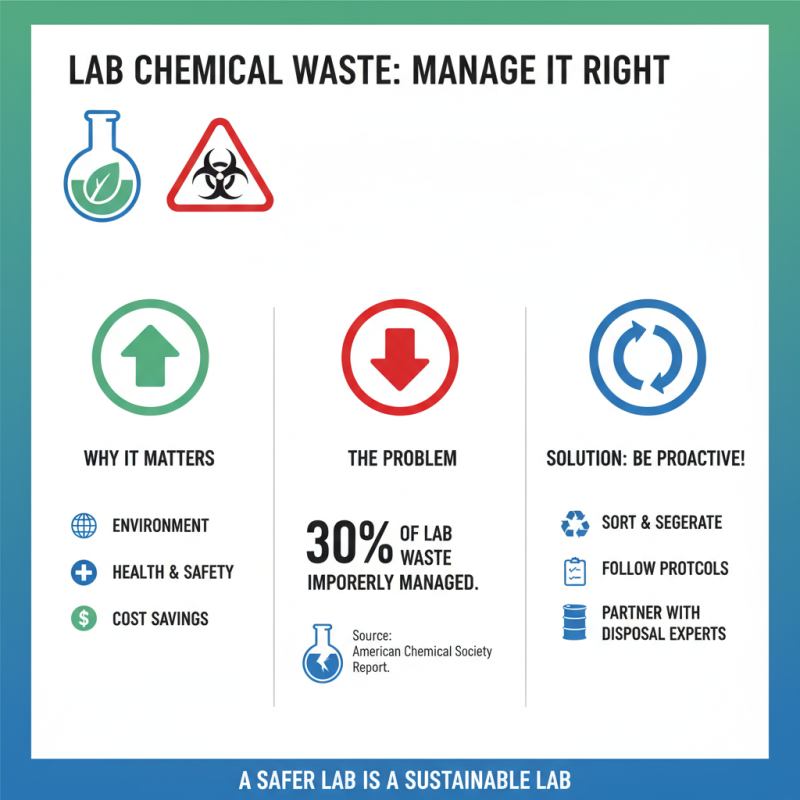
In chemical laboratories, effective waste management is essential. Improper disposal of chemicals can lead to significant environmental and health hazards. According to a report by the American Chemical Society, over 30% of lab waste is improperly managed. This not only threatens safety but also increases operational costs.
Having a structured waste disposal system is critical. Laboratories should categorize waste properly—organic, inorganic, and hazardous. This categorization helps streamline disposal and ensures compliance with regulations. Implementing a waste tracking system further enhances management efficiency. Regular training sessions can help staff stay updated on best practices. It's surprising how many labs overlook this basic need.
Tips: Always label waste containers clearly. This simple step prevents costly accidents. Weekly inspections can help identify potential issues early. A proactive approach can save time and reduce risks significantly.
Lastly, remember that no system is perfect. Continuous evaluation and improvement of waste management processes are necessary. Keeping a feedback loop open can lead to invaluable insights. Adapting to new waste management technologies and practices will ultimately enhance laboratory safety and efficiency.
Collaborative Workspace Features to Facilitate Team Research Efforts
In modern chemical labs, collaborative workspace features are vital for enhancing team research. A study revealed that teams with dedicated collaborative spaces report a 25% increase in productivity. These spaces prioritize open designs, encouraging spontaneous discussions and idea-sharing. Researchers value environments that inspire creativity and knowledge exchange.
Flexible workstations are essential. They allow teams to adapt spaces for different projects. Some labs have adjustable tables, enabling researchers to transition from individual tasks to group discussions easily. However, managing these shared areas can be challenging. It requires planning and clear communication to avoid clutter and distractions.
Access to interdisciplinary resources is also crucial. Data from recent surveys show that labs with integrated access to various scientific databases achieve more diverse research outputs. Teams often struggle with fragmented information systems. Having a centralized resource hub can streamline processes. Still, it necessitates regular updates and maintenance to keep information relevant and useful. Creating effective collaborative environments is a continuous learning process.