How to Safely Handle Laboratory Chemicals in Your Research Work?
Research involving laboratory chemicals is critical for scientific advancement. However, it requires stringent safety measures. Dr. Emily Johnson, a respected expert in chemical safety, says, "Proper handling of laboratory chemicals is essential to prevent accidents and ensure accuracy." Her words echo the importance of a safety-first approach in lab settings.
Many researchers often overlook basic safety protocols when working with laboratory chemicals. Failing to wear appropriate personal protective equipment (PPE) can lead to serious consequences. Additionally, improper storage of these chemicals heightens the risk of spills and reactions. Laboratories should prioritize training and compliance with safety measures. Each lab should have clear guidelines to mitigate risks.
Despite awareness of these dangers, accidents still occur. Researchers sometimes underestimate the hazards associated with laboratory chemicals. Regular safety drills can help reinforce safe practices. Reflecting on past incidents can serve as a reminder to maintain vigilance in the lab. Awareness and preparation are key to safeguarding both researchers and their work.
Understanding the Importance of Safety in Chemical Research
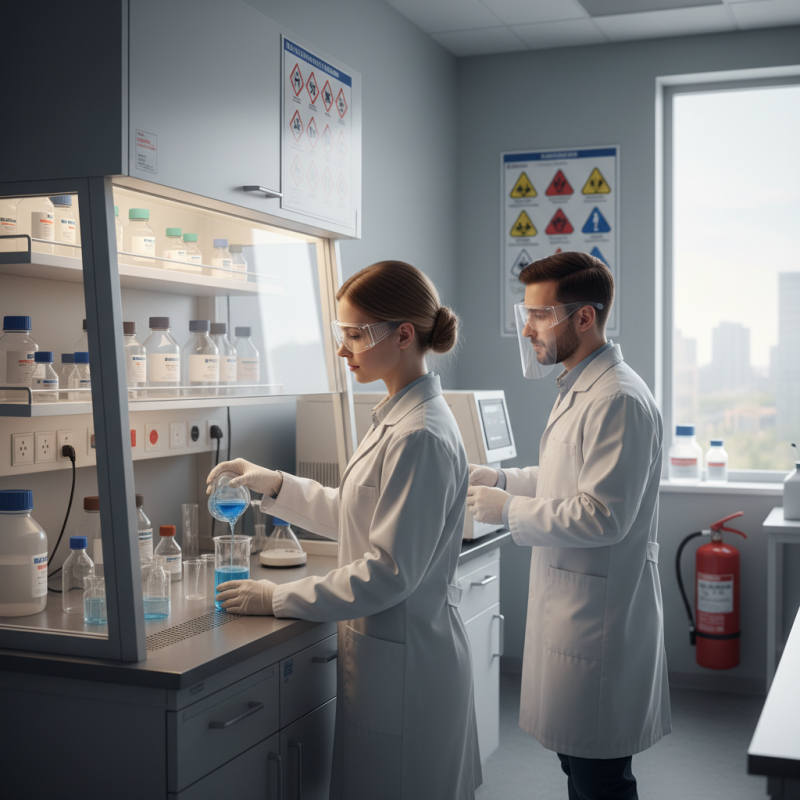
Chemical research is inherently risky. The materials used can be dangerous. According to the American Chemical Society, nearly 30% of lab accidents involve chemical exposure. Handlers must recognize the risks and act accordingly. Proper training is vital. Researchers should participate in safety workshops regularly.
Using personal protective equipment (PPE) is essential. Lab coats, gloves, and goggles are basic safeguards. However, a recent survey by the National Institute for Occupational Safety and Health found that only 70% of researchers consistently wear appropriate PPE. This oversight can lead to serious injuries. Regular reminders to check equipment and follow protocols can help improve compliance.
Storage of chemicals is often problematic, too. Many researchers do not store chemicals according to guidelines. Improper storage increases hazards, including spills and reactions. A report indicated that up to 40% of labs lack adequate storage solutions. This negligence can have dire consequences. Reflection on these practices can motivate safer behaviors in the lab.
Identifying Different Types of Laboratory Chemicals and Their Hazards
In any research environment, understanding the types of laboratory chemicals is crucial for safety. Chemicals can be grouped into several categories based on their hazards. Corrosive substances can damage skin and materials. Flammable chemicals can ignite easily. Toxic agents may affect health even in small amounts. Each group requires special attention and handling protocols.
Identifying these hazards begins with reading labels and safety data sheets. These documents provide vital information about the chemicals. Visual indicators, like color-coding of containers, help in quick identification. However, labeling can sometimes be misleading. Chemicals may look similar but possess different dangers. Always verify the properties before usage.
Improper handling is a common issue. For example, some researchers may neglect to wear protective equipment. This oversight can have serious consequences. Even well-trained professionals make mistakes. Regularly reviewing safety practices can prevent accidents. It's essential to cultivate a mindset of vigilance. Knowledge is vital, but so is consistent, cautious behavior in the lab.
Essential Personal Protective Equipment for Laboratory Work
Personal protective equipment (PPE) is crucial for laboratory safety. According to a 2021 report by the National Institute for Occupational Safety and Health (NIOSH), 60% of laboratory accidents involve inadequate PPE. This underscores the need for proper gear to mitigate risks.
Essential PPE includes lab coats, gloves, and safety goggles. Lab coats protect against chemical spills. Gloves help prevent skin contact with hazardous materials. Safety goggles shield your eyes from splashes. Each item plays a vital role in keeping researchers safe.
Yet, it’s important to remember that even with PPE, risks remain. Users must inspect their gear regularly. A worn-out glove might not provide adequate protection. The importance of proper training cannot be overstated. Many accidents occur due to incorrect PPE usage. Reflecting on personal experiences can help improve safety protocols.
How to Safely Handle Laboratory Chemicals in Your Research Work? - Essential Personal Protective Equipment for Laboratory Work
| PPE Type |
Purpose |
Examples |
| Safety Goggles |
Protect eyes from chemical splashes and debris. |
Impact-resistant goggles, chemical splash goggles. |
| Lab Coat |
Protect skin and clothing from spills and splashes. |
Cotton lab coats, chemical-resistant lab coats. |
| Gloves |
Protect hands from toxic substances and cuts. |
Nitrile gloves, latex gloves, vinyl gloves. |
| Face Shield |
Protect face from splashes and flying particles. |
Full-face shields, detachable face shields. |
| Respirators |
Protect respiratory system from chemical vapors and dust. |
N95 respirators, organic vapor respirators. |
| Footwear |
Protect feet from spills and heavy objects. |
Chemical-resistant boots, closed-toe shoes. |
Safe Storage and Labeling Practices for Chemicals in the Lab
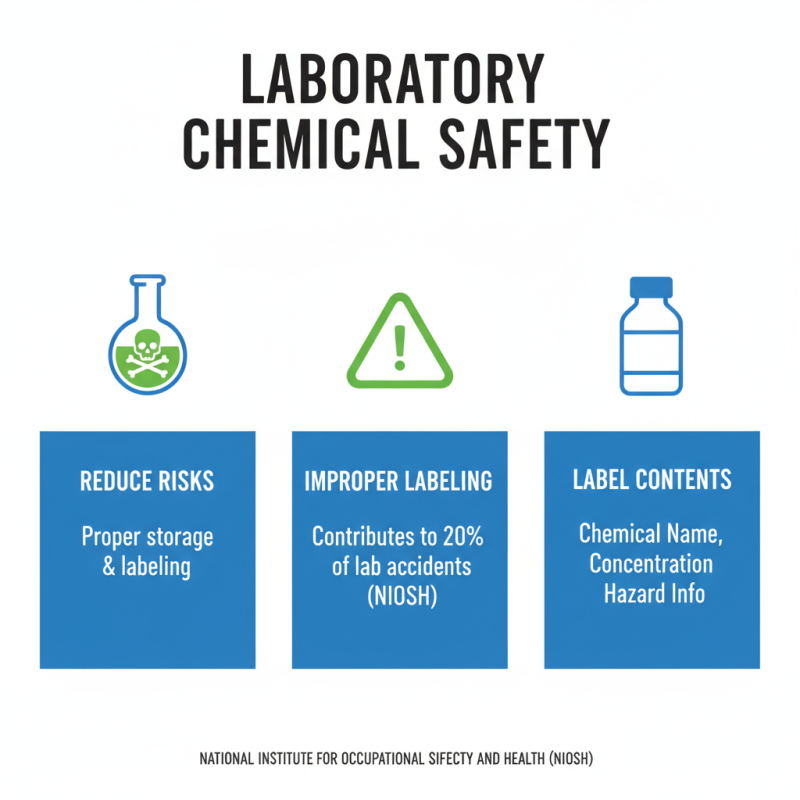
Chemical safety in the laboratory is crucial. Proper storage and labeling practices can significantly reduce risks. The National Institute for Occupational Safety and Health (NIOSH) reports that improper labeling contributes to 20% of laboratory accidents. When handling chemicals, it’s vital to store them in clearly marked containers. Each label should include the chemical name, concentration, and hazard information.
Using color-coded labels can help enhance visibility and quick identification. According to the American Chemical Society, 75% of respondents in a survey cited labeling as a key factor for safety in labs. Labels should be easy to read and durable. They often fade when exposed to light, leading to confusion. It’s essential to review and replace labels regularly, especially for older chemicals.
Storing incompatible chemicals together poses serious risks. For instance, mixing acids with bases can cause violent reactions. Almost 30% of lab accidents are due to storage errors, according to CDC data. Regular audits of chemical inventories can help. It’s important to keep chemicals organized and to discard outdated or unnecessary substances. Inadequate attention to storage practices can lead to dangerous situations.
Emergency Procedures and First Aid Measures for Chemical Incidents
In a laboratory, chemical safety is paramount. Accidental spills can happen. Knowing emergency procedures is essential. Have a first aid kit ready. Equip it with eye wash solutions and burn gels. Storing these items in a visible place can save precious minutes.
In case of contact with the skin, rinse immediately for at least 15 minutes. Remove contaminated clothing without delay. For eye exposure, flush continuously. Never underestimate the importance of teamwork. Alert your colleagues to potential hazards. They can help or call for medical assistance if needed.
Inhalation of harmful fumes is another risk. If this occurs, move the person to fresh air. Monitoring the individual’s condition is necessary. These steps seem straightforward, yet they require practice. Conducting mock drills could prove useful. Reflection on past incidents can lead to better responses in the future.