2026 Top Industrial Chemicals Trends for Global Buyers?
As we approach 2026, the landscape of industrial chemicals is set to evolve significantly. Global buyers must stay informed about emerging trends that will shape the market. Factors like sustainability and technological advancements are driving changes. Companies are increasingly seeking eco-friendly options in their sourcing processes.
The rise of renewable resources is a notable trend. Innovations in production methods are enhancing the efficiency of industrial chemicals. Buyers must adapt to these shifts. However, not all trends are straightforward or beneficial. Some emerging technologies may pose environmental challenges. It’s crucial for businesses to critically assess these developments.
Furthermore, understanding regional differences in supply and demand is essential. Countries are implementing diverse regulations that affect industrial chemicals. Buyers should monitor these changes closely. This evolving landscape presents both opportunities and challenges, requiring careful consideration and strategic planning.

Emerging Chemical Markets and Their Impact on Global Industry
Emerging chemical markets are reshaping the global landscape. Countries like India and Vietnam are becoming key players in chemical production. Their rapid industrial growth attracts investments, driving competition. This shift impacts supply chains and pricing strategies.
Sustainability is a pressing concern. As these markets expand, they face environmental challenges. Regulatory pressures compel businesses to adopt sustainable practices. Companies must navigate new rules while ensuring profitability. Ignoring this could lead to backlash and financial losses.
For global buyers, understanding these trends is crucial. Assess market conditions and adjust sourcing strategies accordingly. Diversifying suppliers can mitigate risks. Keep an eye on innovation; new technologies can disrupt traditional methods. Adaptation is key in this evolving environment. Embrace flexibility to remain competitive.
Key Innovations in Industrial Chemical Production Processes
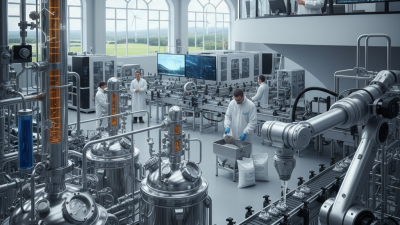
The industrial chemicals sector is evolving rapidly, with innovative production processes leading the charge. Emerging technologies focus on sustainability and efficiency. Processes are being refined to lower energy consumption and improve yields. Many manufacturers are integrating digital tools for precise monitoring. This allows for real-time adjustments in production, minimizing waste.
The use of green chemistry principles is gaining traction. These methods reduce hazardous substances in manufacturing. Researchers are exploring biobased feedstocks, which can be more sustainable than traditional petroleum-based chemicals. This shift not only benefits environmental health but also addresses regulatory pressures. However, challenges remain in scaling these innovations.
Tips: Consider evaluating your current suppliers for their commitment to sustainable practices. Assess how digital technologies can enhance your supply chain management. Embracing these changes could lead to better efficiency and reduced costs. Stay informed about emerging trends to keep ahead in this competitive market.
Sustainability Trends Shaping the Future of Chemical Manufacturing
Sustainability is now at the forefront of chemical manufacturing. Many companies are adopting eco-friendly practices. They aim to reduce their carbon footprints. This shift is driven by consumer demand and regulatory pressures. Manufacturers are rethinking their processes. They seek to minimize waste and energy consumption.
Innovative technologies are emerging. For example, bio-based chemicals are gaining traction. These alternatives often use renewable resources. However, the transition to sustainable practices is not without challenges. The initial investment can be high. Companies must balance cost with long-term benefits. They need to assess the environmental impact of their decisions.
Collaboration is essential. Stakeholders must work together to share knowledge and resources. This can drive the development of sustainable solutions. Education on sustainability is crucial for industry professionals. They must understand the implications of their choices. Continuous improvement in sustainability practices remains a complex journey. However, the potential benefits for the environment and society are significant. Adjustments are needed, but the industry is moving toward a greener future.
Influence of Regulatory Changes on Global Chemical Trade
Regulatory changes play a pivotal role in shaping the global chemical trade landscape. These adjustments can come from environmental agencies, trade agreements, or safety regulations. For buyers, staying informed about these changes is essential. A new regulation may directly affect product availability or market prices, affecting supply chains and planning.
Industry professionals must closely monitor these shifts. For example, stricter emissions standards can lead to innovation in sustainable chemicals. Companies are compelled to adapt, often leading to increased costs initially. However, in the long run, these changes can foster a more sustainable market.
Engaging with industry experts can provide insights into regulatory impacts. Networking can help buyers stay ahead of potential changes. Understanding the motivations behind regulations is crucial. Sometimes, these shifts can feel burdensome. Nonetheless, they often drive the industry toward greater efficiency and safety. It is essential to view these changes not just as hurdles, but as opportunities for growth and improvement.
Technological Advancements Driving Efficiency in Chemical Supply Chains
In 2026, chemical supply chains are undergoing significant transformation, driven by technological advancements. Automation and data analytics are boosting efficiency, reducing costs, and improving accuracy in operations. Supply chain transparency is also gaining importance. Buyers now seek visibility into sourcing and distribution, ensuring ethical practices.
Implementing advanced analytics can enhance decision-making. These tools analyze vast amounts of data, allowing companies to predict trends accurately. Predictive analytics can help in demand forecasting, reducing waste. Additionally, integrating real-time tracking systems provides insight into inventory levels. This aids in minimizing delays and optimizing resources efficiently.
Sustainability remains a critical topic. Companies are exploring eco-friendly alternatives and greener processes. While adopting new technologies can seem daunting, it is essential to continuously evaluate their impact. Experimenting with innovative solutions works best. Reflecting on what succeeds or fails helps shape future strategies. Embracing change is vital in this dynamic landscape, ensuring competitiveness and compliance.
2026 Top Industrial Chemicals Trends for Global Buyers
| Trend |
Description |
Impact on Supply Chain |
Projected Growth (%) |
| Digital Transformation |
Integration of IoT and AI for real-time analytics. |
Increased efficiency and reduced waste. |
15% |
| Sustainable Practices |
Focus on reducing environmental impact by adopting green chemistry. |
Enhanced brand reputation and compliance with regulations. |
20% |
| Advanced Manufacturing |
Adoption of robotics and automation in production. |
Greater production rates and lower labor costs. |
12% |
| Supply Chain Resilience |
Investment in diversifying sources and logistics. |
Minimized disruptions and increased reliability. |
18% |
| Circular Economy |
Focus on recycling and reusing materials. |
Reduction of costs and materials usage. |
25% |