How to Utilize Carolina Chemical Products for Enhanced Industrial Applications?
In the realm of industrial applications, Carolina Chemical products stand out for their versatility. These chemicals play a crucial role in enhancing efficiency across various sectors. Their unique formulations cater to specific needs, providing tailored solutions.
Utilizing Carolina Chemical requires understanding both its benefits and challenges. Many industries have successfully integrated these products, witnessing significant improvements. However, certain applications may not yield the expected results. This necessitates careful consideration and testing before full-scale implementation.
The effectiveness of Carolina Chemical relies on the context of its use. Each industry presents unique demands and limitations. Thus, reflective practices are essential when adopting these products. Embracing Carolina Chemical can lead to innovation, but it’s vital to maintain an open dialogue about potential hurdles.
Understanding Carolina Chemical Products and Their Applications
Carolina chemical products offer diverse applications across various industrial sectors. Understanding these chemicals is key to enhancing processes. They can serve as solvents, surfactants, or catalysts. Each product has a specific function that can optimize production efficiency.
Tips for choosing the right product: Always evaluate the specific needs of your operation. Consider the chemical compatibility with existing processes. Small adjustments can lead to significant results. Regularly review your product performance. This ensures you are not stuck with products that do not meet your needs.
It is vital to stay updated on advancements in chemical applications. Explore alternatives that may enhance efficiency. Yet, be careful not to overlook feedback from your team. Their insights can help identify gaps in current practices. Embracing a culture of continuous improvement will foster better industrial outcomes.
Industrial Applications of Chemical Products
Identifying Key Industrial Sectors for Chemical Utilization
Industrial sectors thrive on the effective use of chemical products. Recognizing which sectors can benefit most is crucial. Manufacturing, agriculture, and textiles are prime candidates. Each has unique chemical needs that can drive performance.
In manufacturing, chemicals enhance durability and efficiency. Specialized coatings can improve machinery lifespan. Cleaning agents ensure optimal machine function. Companies should evaluate their processes. What chemicals can optimize output?
Agriculture relies heavily on chemicals for pest control and growth enhancement. Fertilizers play a significant role in crop yield. However, overuse can lead to soil depletion. Farmers must find a balance. Regularly testing soil health is wise.
Textiles utilize chemicals in dyeing and finishing processes. Innovations can lead to more vibrant colors and longer-lasting fabrics. Yet, using harsh chemicals poses environmental risks. Brands should consider eco-friendly options. Assess the impact of chemical use regularly to make informed decisions.
Exploring the Benefits of Using Carolina Chemical Products
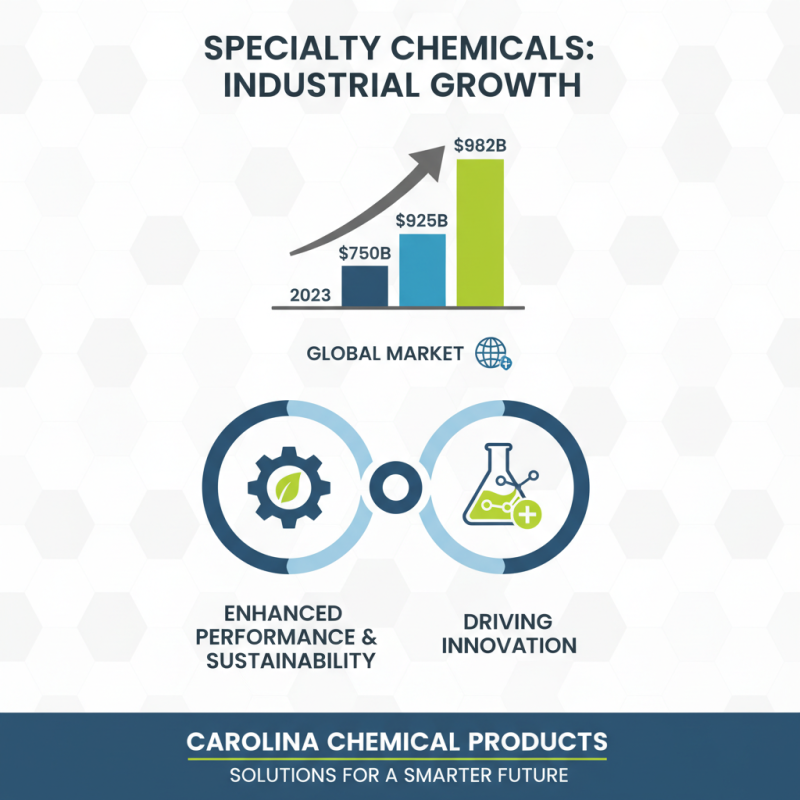
The usage of specialty chemicals in industrial applications has significantly increased. According to a recent industry report, the global specialty chemicals market is expected to reach $982 billion by 2025. This growth is driven by enhanced performance and sustainability. Carolina Chemical Products offer various options that align with these trends.
One compelling benefit of using Carolina Chemical Products is their efficiency. For example, they often require lower concentrations compared to traditional chemicals. This minimizes waste, which is a crucial consideration for many industries. However, not all users have maximized this efficiency. Some companies still rely on outdated processes, missing out on potential cost savings.
Environmental concerns are also at the forefront of chemical usage today. The same report indicates that approximately 65% of manufacturers are focused on sustainable practices. Carolina Chemical Products address this need by offering eco-friendly options. Yet, some industries remain hesitant due to perceived risks. A careful evaluation of these products can reveal their compatibility with existing systems, ultimately influencing operational success.
Implementing Best Practices for Chemical Products in Industry
In industrial applications, utilizing chemical products effectively can significantly enhance operational efficiency. Best practices begin with understanding the specific properties of each chemical used. Knowledge of their compatibility with materials and safety protocols is essential. This can prevent unexpected reactions that waste resources and time.
Regular training for employees on handling these products is crucial. Workers should know basic safety measures and emergency procedures. It’s important to engage staff in discussions about safety and usage. However, many industries overlook the need for ongoing education. Review sessions can highlight past incidents, providing learning opportunities. This helps teams to be more vigilant and proactive.
Implementing a robust inventory management system is a key aspect as well. Monitoring stock levels can prevent shortages and overstock situations. However, some companies tend to ignore proper stock rotation and check for product expiry. This often leads to waste and inefficiency. Continuous assessment of chemical usage patterns can reveal insights for improvement, making operations smoother. Investing time in these practices can ultimately lead to a safer and more productive industrial environment.
How to Utilize Carolina Chemical Products for Enhanced Industrial Applications?
| Chemical Product |
Application Area |
Best Practices |
Safety Measures |
| Acetic Acid |
Chemical Manufacturing |
Use PPE, Store in Cool, Ventilated Area |
Avoid Ignition Sources, Use Eye Protection |
| Hydrochloric Acid |
Metal Treatment |
Dilute Before Use, Avoid Contact |
Use Acid-Resistant Gloves, Secure Area |
| Sodium Hypochlorite |
Water Treatment |
Regular Testing, Correct Dilution |
Avoid Mixing with Ammonia, Ensure Ventilation |
| Ethanol |
Solvent for Various Applications |
Ensure Proper Storage, Keep Away from Heat |
Avoid Open Flames, Use in Well-Ventilated Areas |
Measuring the Impact of Carolina Chemical Products on Operations
The effectiveness of Carolina Chemical Products in industrial settings can be significant. Several operations report improvements in efficiency when these products are incorporated. However, measuring this impact is not straightforward. Collecting data from various operations helps paint a clearer picture.
Consider a manufacturing process enhanced by these chemicals. A team might notice reduced downtime due to equipment failures. Still, it's essential to evaluate if the materials used are compatible with existing machinery. Sometimes, unexpected reactions can occur, leading to delays.
Cost-saving is another vital metric. Companies may find lower operational costs. Yet, one must weigh this against potential quality issues. If a product fails to meet standards, it can negate the savings. Continual assessment is key to ensuring that the benefits outweigh the risks.