
10 Solvent Recycling Tips for Global Buyers
Solvent recycling is becoming a practical priority for manufacturers facing volatile raw-material prices, tighter waste controls, and pressure to reduce emissions. Distillation units, filtration systems, and vapor recovery equipment can turn used solvent streams into valuable process inputs. Yet performance depends on solvent composition, contamination levels, energy use, and operator discipline.
The U.S. Environmental Protection Agency identifies solvent recovery as a recognized waste-minimization practice when recovered materials can safely replace virgin solvents. Its pollution-prevention guidance also emphasizes source reduction, closed containers, and documented process controls. In Europe, the European Commission’s 2018 Best Available Techniques Reference Document for Waste Treatment highlights distillation and other treatment methods for managing organic waste streams. These reports support a careful, evidence-based approach rather than a simple equipment purchase.
Industry market reports from Grand View Research and MarketsandMarkets indicate continued growth in solvent recovery and recycling technologies, driven by pharmaceutical, coatings, electronics, and chemical production. However, market forecasts are estimates. They can differ by region, application, and reporting method. That matters.
Global buyers should examine recovery yield, solvent purity, energy consumption, maintenance access, and after-sales support. A bright stainless-steel vessel is not enough. Operators need sampling records, compatible seals, clear ventilation routes, and reliable quality testing. Small errors can contaminate an entire batch. The following ten solvent recycling tips focus on practical decisions, supplier evaluation, process safety, and measurable operating results. They also acknowledge an uncomfortable truth: recycling is not automatically sustainable if poor design increases energy use or creates unstable waste residues.
Understanding Solvent Recycling and Its Value for Global Buyers
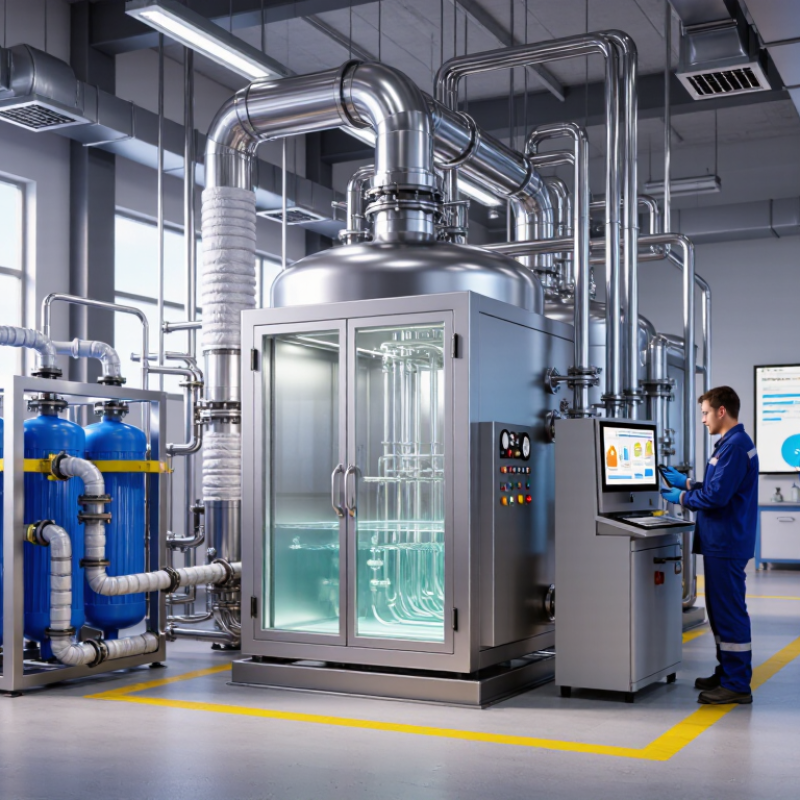
Solvent recycling turns used process liquids into usable resources for global buyers. It can lower purchasing costs, reduce waste, and improve supply planning. The value depends on purity, recovery rate, energy use, and legal compliance. A cheap recycled solvent is not useful if it damages equipment or fails quality testing.
Global buyers should define purity requirements before purchasing. Request a current specification sheet and safety data sheet. Check water content, color, residue, and composition. Separate solvent streams at the source. Mixed liquids are harder to purify. Choose equipment suited to the solvent type. Monitor temperature, pressure, and condenser performance. Test every batch before shipment. Keep clear records for traceability. Confirm suitable packaging and transport conditions. Review local import, storage, and workplace rules.
Small details matter. A clean container can prevent unexpected contamination. Moisture may affect coating, cleaning, or manufacturing results. Recovery yields should be measured against the original input, not estimated casually. A 92% recovery rate may look impressive, but high energy consumption can reduce its real value. I have seen buyers focus on price while overlooking inconsistent batch quality. That mistake becomes expensive later. Some recycling systems also need skilled operators and regular maintenance. Their costs should appear in the purchase calculation. Buyers should ask how rejected material is handled. Not every stream can be recycled efficiently, and forcing the process may create more waste. Reliable suppliers welcome independent testing and explain their limitations clearly.
10 Solvent Recycling Tips for Global Buyers - Understanding Solvent Recycling and Its Value for Global Buyers
A practical comparison table for evaluating solvent recovery programs, equipment, operating costs, and international compliance requirements.
| No. | Recycling Tip | Recommended Buyer Action | Typical Data Point or Target | Value for Global Buyers | Key Verification Item |
|---|---|---|---|---|---|
| 1 | Characterize the waste solvent first | Test composition, water content, suspended solids, acidity, and contamination before selecting a recovery process. | Use representative samples from multiple production batches rather than relying on a single sample. | Improves equipment selection, product quality, and recovery-cost estimates. | Laboratory analysis, sampling method, and certificate of analysis requirements. |
| 2 | Match the process to the solvent mixture | Compare atmospheric distillation, vacuum distillation, fractional distillation, and other compatible separation methods. | Vacuum operation can reduce boiling temperature and help protect heat-sensitive materials. | Supports higher product consistency and can reduce thermal degradation. | Boiling-point range, azeotrope behavior, heat sensitivity, and required purity. |
| 3 | Set a realistic recovery target | Define recovery rate, purity, throughput, and acceptable residue levels before requesting quotations. | Many distillation systems are designed around recovery rates of approximately 80%–95%, depending on feed composition and specification. | Prevents unrealistic savings claims and makes supplier proposals easier to compare. | Mass-balance calculation, product specification, and independently measurable test results. |
| 4 | Prioritize safe handling of flammable solvents | Require appropriate grounding, bonding, ventilation, temperature control, pressure protection, and hazardous-area design. | Flash point, vapor concentration, operating pressure, and maximum operating temperature must be documented. | Reduces fire, explosion, worker-exposure, and insurance risks across different jurisdictions. | Risk assessment, safety data sheets, electrical classification, and emergency procedures. |
| 5 | Separate solvent streams at the source | Keep compatible solvents together and avoid mixing halogenated, non-halogenated, aqueous, and reactive waste streams without technical review. | Cleaner feed streams generally require less pretreatment and are easier to recover to a consistent specification. | Improves yield, lowers disposal volume, and reduces cross-contamination. | Container labeling, compatibility matrix, segregation procedure, and traceability records. |
| 6 | Evaluate energy consumption | Compare heating demand, cooling demand, cycle time, insulation, heat recovery, and standby consumption. | Track energy as kilowatt-hours per recovered liter or per metric ton of solvent. | Provides a more reliable total-cost comparison than purchase price alone. | Factory acceptance test data, utility assumptions, batch capacity, and local energy prices. |
| 7 | Check recovered-solvent quality | Specify acceptable water content, purity, color, acidity, non-volatile residue, and odor according to the intended application. | Use validated laboratory methods and batch release records for every recovered lot. | Helps maintain production performance and prevents unsuitable material from entering critical processes. | Quality-control plan, sampling frequency, retained samples, and acceptance limits. |
| 8 | Review local and international regulations | Confirm rules for hazardous waste, VOC emissions, worker safety, transport, storage, and imported equipment. | Requirements vary by country, solvent classification, site capacity, and intended end use. | Reduces customs delays, permitting problems, penalties, and unexpected retrofit costs. | Current safety data sheets, transport classification, permits, emissions limits, and customs documents. |
| 9 | Calculate total cost of ownership | Include equipment, installation, utilities, labor, maintenance, testing, waste disposal, training, and downtime. | Compare capital cost with avoided virgin-solvent purchases and reduced disposal costs over the planned operating life. | Shows the actual financial value under local operating conditions and currency exposure. | Five-year cost model, maintenance schedule, spare-parts availability, and sensitivity analysis. |
| 10 | Measure environmental performance transparently | Record solvent purchased, recovered, reused, disposed of, and lost during each reporting period. | Useful indicators include recovery rate, waste avoided, virgin solvent displacement, and energy per recovered unit. | Supports sustainability reporting, internal improvement, and credible supplier comparisons. | Defined calculation boundaries, calibrated meters, inventory records, and audit trail. |
Related Posts
-
How to Choose the Best Solvent Recycling System
-
How to Choose Solvent Recycling Equipment?
-
How to Find Reliable Chem Supply Suppliers Worldwide?
-

Top 10 Chemical Solutions Suppliers for Global Buyers
-
How to Source Lab Chemicals Safely in 2026?
-

2026 Top Laboratory Chemicals Suppliers for Global Buyers