2026 Top Types of Laboratory Chemicals for Global Buyers?

The 2026 laboratory chemicals market is becoming more specialized, traceable, and quality-driven. Global buyers now compare chemical purity, application suitability, documentation, and supply continuity before placing orders.

Common categories include analytical reagents, laboratory solvents, acids, bases, buffers, certified reference materials, and high-purity gases. Each category serves a different purpose. A research laboratory may need HPLC-grade acetonitrile. A quality-control facility may require certified standards with precise concentration data. A teaching laboratory may prioritize safer handling and practical packaging.

Antoine Lavoisier, a foundational chemistry expert, stated, “Nothing is created, nothing is destroyed, everything is transformed.” His principle still reminds buyers to examine every material’s composition, stability, and intended use.

Reliable sourcing requires more than a competitive price. Buyers should review the certificate of analysis, safety data sheet, batch number, expiration date, and storage instructions. ISO-aligned quality systems can provide additional confidence, although certification alone cannot guarantee perfect performance.

Supplier evaluation also matters. Transparent manufacturers explain production controls, packaging conditions, delivery timelines, and technical support. They should identify legal shipping limits clearly and avoid vague purity claims. Small details matter here.

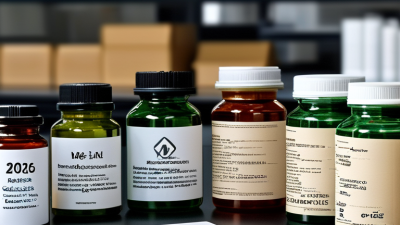
A sealed amber bottle, intact label, and consistent lot record can prevent costly testing delays. Yet no purchasing guide is flawless. Product availability changes, regional rules differ, and technical specifications may be misunderstood. Buyers should verify current requirements with qualified laboratory and compliance professionals.

This guide examines the top types of laboratory chemicals expected to attract global purchasing attention in 2026. It focuses on practical uses, quality indicators, documentation, and responsible selection for legitimate laboratory work.
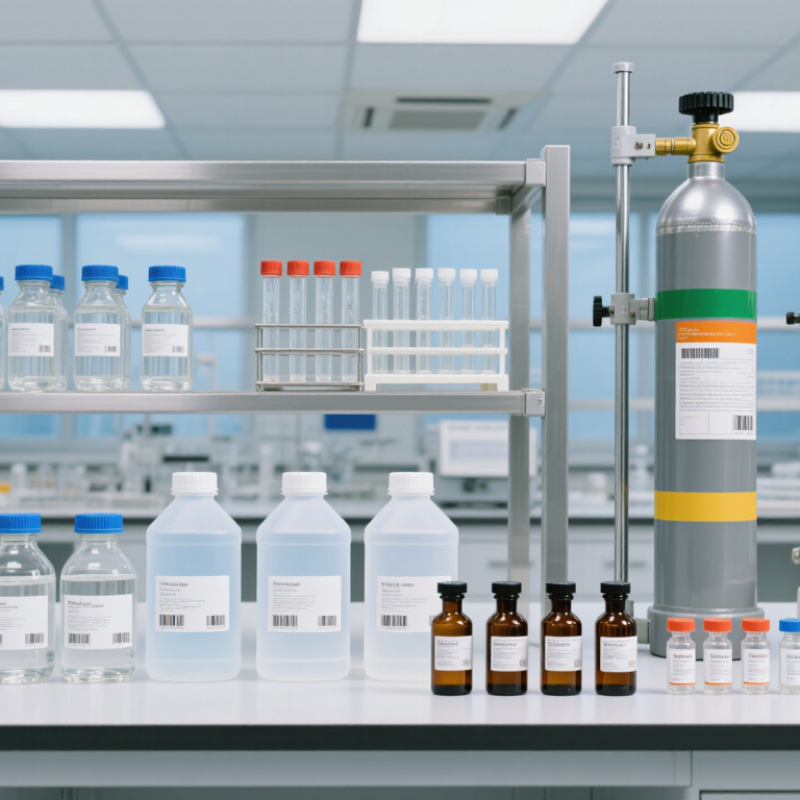
2026 Top Types of Laboratory Chemicals for Global Buyers?

What Are Laboratory Chemicals and Why Do Global Buyers Need Them?

Laboratory chemicals are controlled substances used to test, measure, clean, separate, or support biological and chemical processes. Common categories include analytical reagents, solvents, buffers, stains, culture media, and certified reference materials. Each type serves a specific purpose. A solvent may prepare a sample, while a reference material checks instrument accuracy.

Global buyers need these chemicals for environmental testing, food inspection, pharmaceutical research, industrial quality control, and academic experiments. A water laboratory may use reagents to measure acidity, metals, or contamination. A factory may need standards to confirm that products meet internal specifications. In practice, purchasing is not only about price. Purity, concentration, packaging, shelf life, and batch consistency can affect every result.

Details matter greatly. Buyers should review the safety data sheet, certificate of analysis, lot number, storage temperature, and expiry date. Local import rules and transport requirements also need careful checking. Receiving staff often inspect the seal, label, and container condition before acceptance. One damaged cap can create uncertainty. That assumption can fail. A familiar chemical may still require different handling in another country. I have found that clear documentation prevents more problems than fast ordering. Still, documentation alone is not enough; laboratories must train users, separate incompatible materials, and record storage conditions.

How Are Laboratory Chemicals Classified by Function and Purity?

Laboratory chemicals are classified first by function. Solvents dissolve samples, while acids, bases, and salts adjust reactions or pH. Buffers stabilize testing conditions. Indicators reveal chemical changes through color. Reference standards support calibration, and stains or culture media serve specialized analytical work. Some products fit several categories.

Purity is a separate measure. Technical grade suits controlled industrial tasks, but it may contain variable impurities. Laboratory or reagent grade offers tighter limits for routine experiments. Analytical grade controls residues, metals, moisture, and assay values more strictly. HPLC, LC-MS, and molecular biology grades target sensitive instruments or biological workflows. The label alone is not enough. Check the certificate of analysis, test method, expiry date, and storage temperature.

Details matter. A trace-metal test may fail because one solvent contains unexpected sodium. A chilled reagent can lose performance after repeated warming. Grand View Research’s 2024 laboratory chemicals analysis estimates a global market above US$25 billion in 2023, with growth near 6% annually through 2030. MarketsandMarkets reports similar expansion, linked to pharmaceutical research, diagnostics, and academic testing. These figures show demand, not automatic quality. Classification systems also vary between suppliers and regions. That is an imperfect point. Procurement teams should compare specifications line by line, not purchase by grade name alone.

2026 Top Types of Laboratory Chemicals for Global Buyers? - How Are Laboratory Chemicals Classified by Function and Purity?

Chemical Type Representative Examples Primary Function Typical Laboratory Applications Common Purity or Grade Categories Key Quality Parameters Storage and Handling Considerations
Acids Hydrochloric acid, sulfuric acid, nitric acid, acetic acid pH adjustment, digestion, catalysis, oxidation, and chemical synthesis Sample preparation, titration, inorganic analysis, cleaning, and synthesis Technical, reagent, analytical reagent, ACS, trace-metal, and semiconductor grades Assay, trace metals, chloride or sulfate impurities, residue after evaporation, and concentration Corrosive; use compatible cabinets, secondary containment, ventilation, and appropriate protective equipment
Bases and Alkalis Sodium hydroxide, potassium hydroxide, ammonia solution, sodium carbonate Neutralization, alkalinity control, hydrolysis, and pH adjustment Titration, buffer preparation, extraction, detergent formulation, and synthesis Technical, reagent, analytical reagent, ACS, and low-carbonate grades Assay, carbonate content, insoluble matter, heavy metals, and moisture Corrosive and often hygroscopic; protect solid alkalis from moisture and carbon dioxide
Organic Solvents Methanol, ethanol, acetone, acetonitrile, hexane, ethyl acetate Dissolution, extraction, reaction media, washing, and chromatographic separation HPLC, gas chromatography, spectroscopy, sample extraction, and organic synthesis Technical, reagent, analytical, HPLC, GC, spectrophotometric, and LC-MS grades Water content, UV absorbance, nonvolatile residue, acidity, peroxide content, and chromatographic background Many are flammable or volatile; store in approved flammable-liquid cabinets
Inorganic Salts Sodium chloride, potassium chloride, calcium chloride, copper sulfate Ion supply, precipitation, ionic-strength control, drying, and synthesis Buffer systems, gravimetric analysis, microbiology media, electrochemistry, and materials research Technical, laboratory reagent, analytical reagent, ACS, and ultrapure grades Assay, insoluble matter, moisture, anion and cation impurities, and heavy metals Some salts are hygroscopic, oxidizing, or toxic; follow substance-specific segregation rules
Buffers Phosphate, acetate, citrate, Tris, and bicarbonate systems Maintaining a stable pH during chemical, biological, or analytical procedures Biochemistry, cell culture, electrophoresis, chromatography, and calibration solutions Reagent, analytical, molecular biology, biological grade, and certified reference solution pH at a specified temperature, concentration, conductivity, bioburden, and trace contaminants Control temperature, contamination, and microbial growth; check compatibility with the test system
Analytical Indicators Phenolphthalein, methyl orange, bromothymol blue, starch indicator Producing a visible or instrumental response at a defined chemical endpoint Acid-base titration, redox titration, complexometric analysis, and qualitative testing Reagent, analytical reagent, indicator grade, and volumetric-analysis grade Identity, assay, transition range, solution stability, and blank response Protect from light and contamination; prepare solutions using documented procedures
Redox and Complexing Reagents Potassium permanganate, iodine, EDTA, sodium thiosulfate Oxidation-reduction reactions, metal-ion binding, and quantitative determination Volumetric analysis, water hardness testing, oxidation studies, and synthesis Reagent, analytical reagent, ACS, volumetric standard, and certified reference material Standardization factor, assay, moisture, oxidation-state purity, and stability Some are strong oxidizers; keep away from combustibles, reducing agents, and incompatible acids
Reference Standards Elemental standards, pharmaceutical impurities, pesticide standards, and calibration mixtures Instrument calibration, method validation, identification, and quantitative measurement HPLC, GC, ICP, ion chromatography, environmental testing, and pharmaceutical analysis Certified reference material, analytical standard, primary standard, and traceable solution Certified value, uncertainty, traceability, homogeneity, stability, and expiry date Follow certificate instructions for temperature, light protection, dilution, and storage life
Biochemical and Molecular Biology Reagents Nucleotides, amino acids, detergents, reducing agents, enzymes, and nucleic-acid stains Supporting enzymatic reactions, nucleic-acid workflows, protein analysis, and cell processes PCR, electrophoresis, protein purification, sequencing, cell biology, and diagnostics research Biochemical grade, molecular biology grade, nuclease-free, cell-culture grade, and research grade Nuclease activity, endotoxin, biological activity, purity by chromatography, and functional performance Often require frozen or refrigerated storage; avoid repeated freeze-thaw cycles and contamination
Stains and Dyes Methylene blue, crystal violet, hematoxylin, eosin, and fluorescent dyes Selective visualization, contrast enhancement, and labeling of cells or chemical species Microscopy, histology, microbiology, electrophoresis, and fluorescence experiments Technical, biological stain, microscopy grade, analytical grade, and spectroscopic grade Color strength, spectral characteristics, solubility, impurity profile, and staining performance Protect light-sensitive materials; handle powders and concentrated solutions to minimize exposure
Laboratory Gases Nitrogen, oxygen, hydrogen, helium, argon, and carbon dioxide Carrier gas, inert atmosphere, combustion support, incubation, and instrument operation Gas chromatography, spectroscopy, cell culture, welding, glove boxes, and controlled atmospheres Industrial, laboratory, high-purity, research, zero-grade, and instrument-grade gases Assay, moisture, oxygen, hydrocarbons, nitrogen, and particulate contamination Secure cylinders upright, use compatible regulators, and provide ventilation and leak control
Ultra-High-Purity Chemicals High-purity acids, solvents, water, salts, and process chemicals Minimizing contamination in highly sensitive analytical, electronic, and materials workflows Trace-metal analysis, semiconductor processing, surface science, and advanced materials research Trace analysis, electronic grade, semiconductor grade, ultrapure, and instrument grade Parts-per-billion or lower trace metals, particles, organic residues, ionic impurities, and TOC Use clean containers and controlled handling; avoid contamination during transfer and storage

Note: Purity labels and specifications can differ by supplier, region, regulatory framework, and intended application. Buyers should verify the current certificate of analysis, specification sheet, safety data sheet, and applicable standards before purchase.

Which Laboratory Chemical Types Are Most Widely Used in 2026?

In 2026, analytical reagents remain among the most widely used laboratory chemicals. They support titration, spectroscopy, quality control, and routine testing. Common examples include acids, bases, indicators, salts, and certified reference materials. Recent market studies from Grand View Research and Fortune Business Insights estimate the laboratory chemicals market at several billion US dollars, with steady growth through the decade. Their figures differ because product definitions and regional coverage are not identical.

Organic solvents also move in large volumes. Laboratories use alcohols, ketones, nitrile-based solvents, and hydrocarbon solvents for extraction, chromatography, cleaning, and sample preparation. Molecular biology reagents are expanding quickly, including nucleotides, enzymes, buffers, stains, and DNA purification chemicals. A 2024 report from the European Federation of Biotechnology identifies molecular testing and bioprocessing as major drivers of laboratory demand. Growth is visible, but it is uneven across regions.

Quality matters more than volume. Buyers often compare purity grades, trace-metal limits, batch certificates, packaging, and transport conditions. A small bottle of moisture-sensitive reagent may need sealed packaging and temperature control. Cell culture media and biological reagents can require an unbroken cold chain. Research from the World Health Organization continues to emphasize documented storage, labeling, and traceability in laboratory operations. Yet purchasing decisions are not always rational. Lower prices can hide higher testing, disposal, or failure costs. That weakness deserves more attention.

How Should Buyers Evaluate Quality, Packaging, and Supplier Reliability?

Global buyers commonly source solvents, acids, bases, buffers, stains, and analytical standards. Quality evaluation should begin with the intended application. A routine cleaning solvent may need different specifications than a chromatography-grade solvent. Check purity, concentration, trace-metal limits, water content, and lot consistency. A current Certificate of Analysis should match the exact batch. Supporting documents should include a Safety Data Sheet and clear storage instructions.

Tips: Request a small trial shipment before placing a large order. Inspect seals, labels, hazard symbols, and container condition on arrival. Glass bottles need protective cushioning, while moisture-sensitive materials may require sealed liners. Confirm temperature controls for products needing cold storage. Ask suppliers how they manage damaged goods and replacement claims. Fast replies are useful, but documented answers matter more.

Supplier reliability is broader than price or a polished website. Review production capacity, quality-control procedures, export experience, and response records. Ask whether product specifications remain stable across batches. Independent testing can be reasonable for critical materials, especially when results affect research or manufacturing. I have learned that one missing document can delay an entire shipment. No checklist is perfect. Buyers should record deviations, review them with technical staff, and adjust future purchasing decisions. A reliable supplier accepts careful questions without avoiding uncomfortable details.

What Global Regulations Govern the Purchase and Transport of Laboratory Chemicals?

Global laboratory chemical purchases require more than a product name and a commercial invoice. Buyers should identify each substance by its CAS number, concentration, physical form, and hazard classification. A current Safety Data Sheet is essential. It supports supplier screening, workplace handling, customs review, and emergency response.

Most jurisdictions align hazard communication with the Globally Harmonized System. However, implementation differs by country. The European Union applies REACH and CLP requirements, while the United States uses separate chemical control and transport rules. Importers may need local registration, notification, storage approval, or an appointed representative. Requirements can change by concentration.

Transport adds another regulatory layer. Air shipments usually follow IATA dangerous goods rules. Sea freight commonly follows the IMDG Code. Road transport may follow ADR or equivalent national systems.

These frameworks govern packaging, labels, hazard classes, documentation, and trained personnel. A small bottle can still require tested packaging, UN identification, and a shipper’s declaration.

Customs authorities may request commercial invoices, certificates of analysis, permits, or end-use details. Temperature-sensitive materials need validated packaging and monitoring records. Check the destination before payment. That step prevents costly returns. In practice, even experienced teams miss small differences between research-use and industrial-use classifications. We should not assume one country’s approval travels automatically. Regulatory databases also contain delays and unclear wording. A qualified compliance specialist should verify the current rule before dispatch.

Scroll to Top